



The BOTTOM LINE
- The non-chocolate category’s popularity has been exploding
- Consumers continue to crave on-trend flavors, products
- Flexibility is key for producers
Sweet escape
Candy producers have continued to innovate, even when myriad challenges persist.
Liz Parker Kuhn, Senior Editor
In 2024, the candy industry was shaped by creativity, nostalgia, and the growing influence of social media, according to Jarett Levan, CEO of retailer IT’SUGAR. He notes that platforms like TikTok and Instagram helped drive demand for “trend candy,” pushing products to go viral almost overnight.
“Consumers also embraced retro flavors and packaging, with brands reviving childhood favorites or putting a fresh spin on classics,” he elaborates. “We saw bold culinary influences, with spice blends and savory-sweet combinations, bringing exciting new flavors to the category.”

SPONSORED BY
Trends and roadblocks
One of the key challenges Levan noted this past year is that many trend candies are created by smaller suppliers who don’t have the ability to scale quickly.
“That often means it takes several months for these products to hit shelves, by which time the initial excitement may have already started to fade,” he explains. “To keep up with fast-moving trends and meet demand, we have had to remain creative and agile in our operations. This has meant broadening our supplier network, establishing multiple inventory sources, and aligning with the right partners. Flexibility is key; whether a product is taking off or starting to fade, we need to be ready to adapt.”
Consumers have a unique mindset when they enjoy chocolate and candy that is not present when interacting with other foods, says Carly Schildhaus, director of public affairs and communications, National Confectioners Association (NCA).
“As has been widely reported, many of our member companies are looking at their options regarding synthetic food dyes and natural alternatives,” Schildhaus states. “Consumers know that confectionery products are treats and that they contain sugar, food colors, and other FDA-approved ingredients, because candy is intrinsically transparent. People in the U.S. enjoy chocolate and candy two to three times per week, averaging just 40 calories and about one teaspoon of added sugar per day—and most consumers agree that it is fine to occasionally enjoy a piece of chocolate or candy.”
In that vein, the Always a Treat Initiative reflects NCA’s position that candy is an indulgence and can be enjoyed as part of a balanced lifestyle, and that consumer trust is earned through industry action.


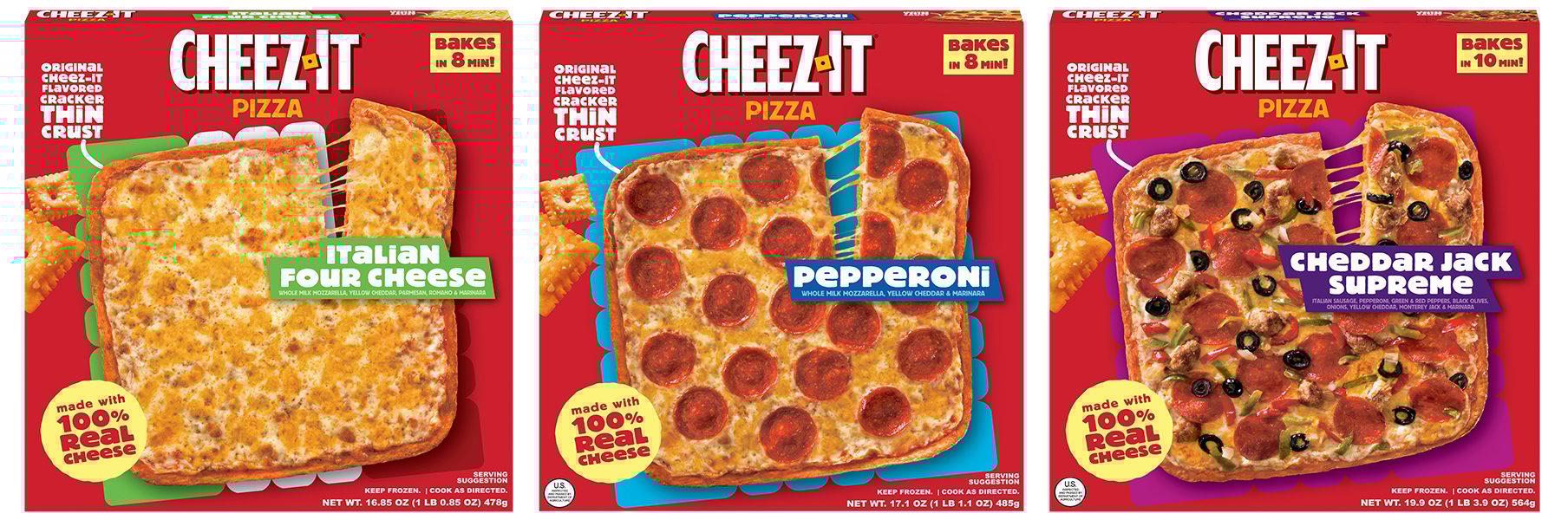
Courtesy of Kellanova
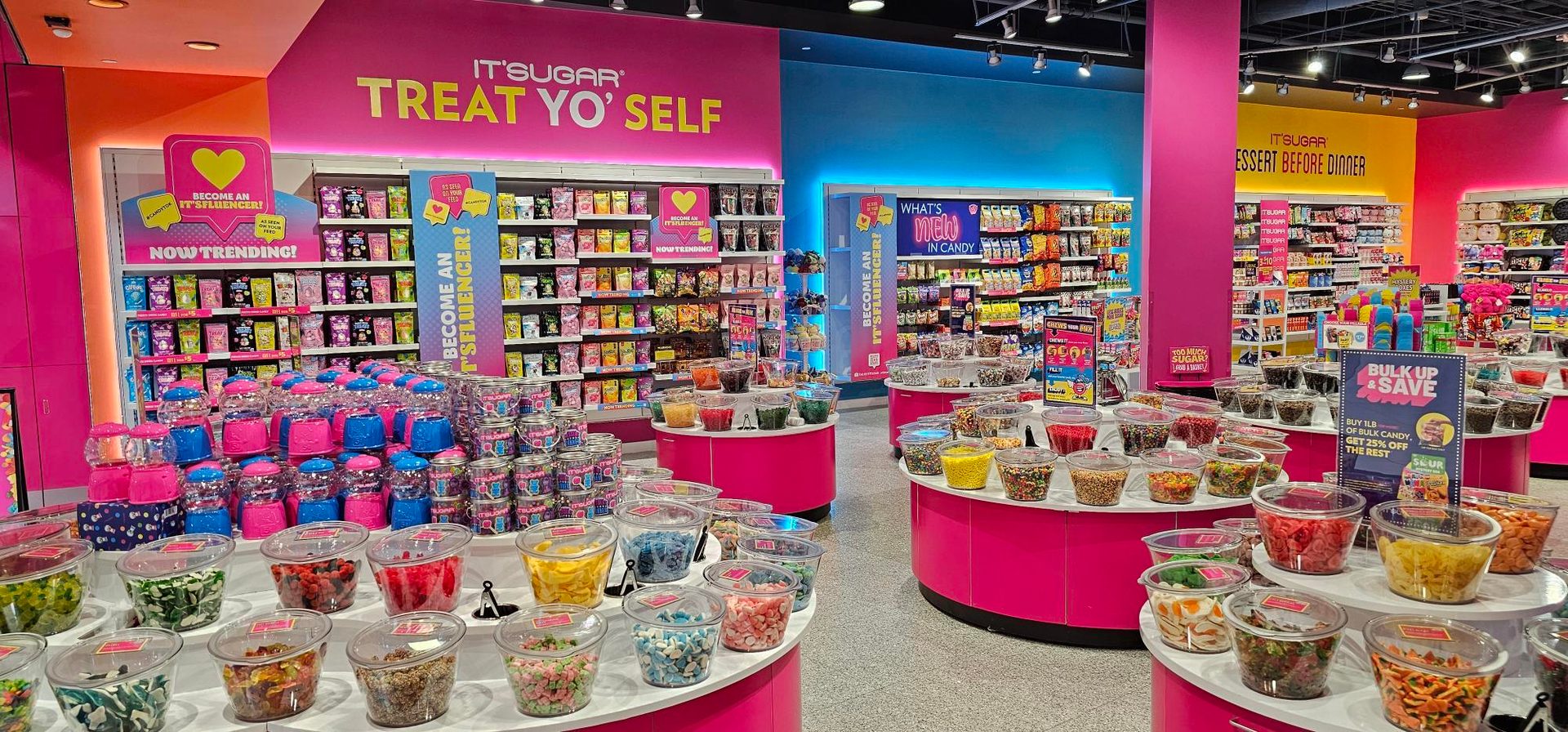
Courtesy of IT’SUGAR
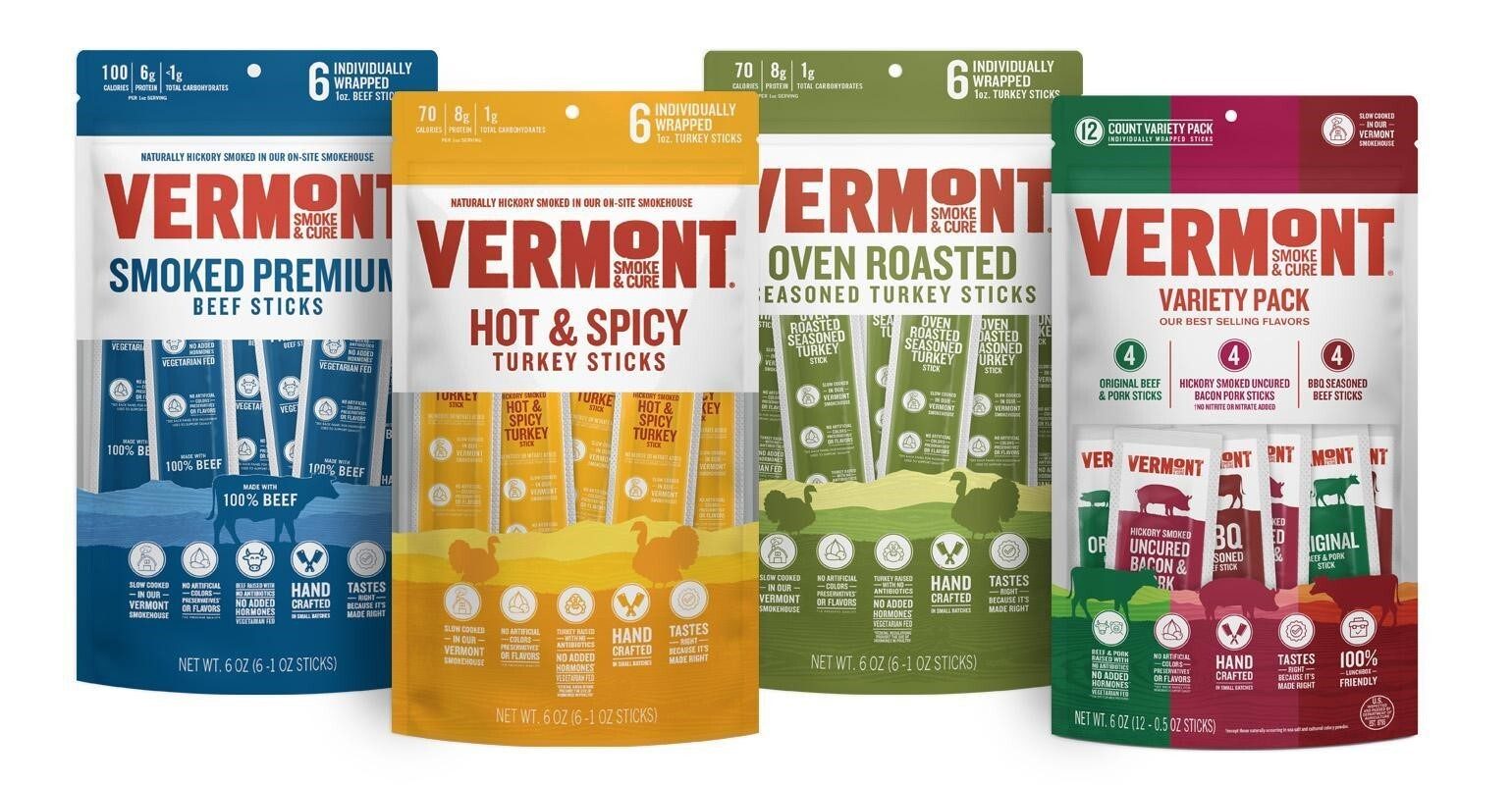
Courtesy of Vermont Smoke & Cure
“To help consumers choose the right treat for any occasion, chocolate and candy companies are offering more variety in pack sizes and portion options than ever before—all while reminding consumers that candy is a treat and not a center-of-the-plate food,” Schildhaus observes. “As a result of industry alignment around Always a Treat, chocolate and candy companies are helping consumers manage their intake of calories and added sugar, while still enjoying fun and unique confectionery products.”
Non-chocolate candy continued to explode in popularity this year, especially considering recent cocoa shortages and price hikes, Schildhaus says.
“Since 2019, the category has grown by nearly $5 billion—an increase of almost 70%. Non-chocolate candy sales were boosted by the popularity of sour candy, and nearly 11% of sales came from innovation. This trend is driven by Gen Z and Millennial consumers who report loving exploration of all things sour, flavor mashups, different textures, and flavor experiences,” notes Schildhaus.
Producers like Nassau Candy have been experimenting with such. This past July, the company released on-trend gummies inspired by social media, including gummies in the shape of avocados, pacifiers, and a Spicy Blue Raspberry Gummy Bear.
Manufactures may feel compelled to explore producing more non-chocolate options like gummies, because the cocoa industry is facing several significant challenges, says Francis De Campos Ferreira, global portfolio director of cocoa extracts and chocolate flavors with Kerry. Problems include adverse weather conditions, climate change, soil degradation, and ongoing diseases like the Swollen Shoot Virus and Black Pod Disease.
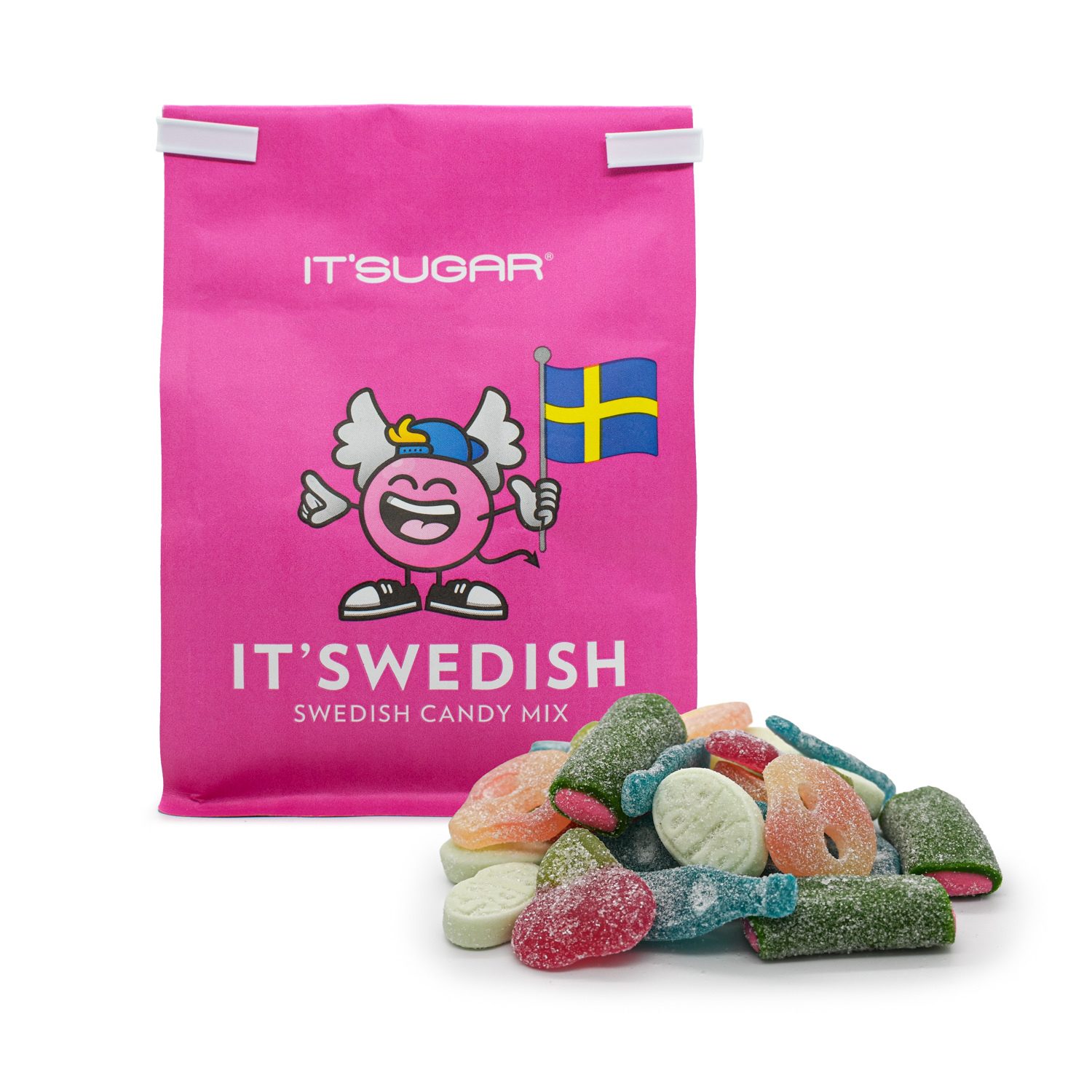
Courtesy of IT’SUGAR
“While cocoa bean prices soared to record highs in late 2024, prices today are still approximately triple what they were in 2023,” he notes. “Despite these cocoa bean price fluctuations, cocoa powder prices have continued to stay high for the past 18 months, putting pressure on manufacturers to manage costs, quality, and supply chain uncertainties. These challenges are part of a broader industry landscape of rapidly shifting dynamics of consumer preferences, regulatory pressures, and global supply chain strains. Manufacturers are seeking more cost-effective, consistent ways to maintain the rich taste consumers expect, while also addressing sustainability goals.”
Another way manufacturers can save on costs is to use a cocoa replacer, such as Ardent Mills’ recently unveiled Cocoa Replace, a wheat-based, single-ingredient alternative that can substitute for a portion of cocoa powder in formulations.
“We’ve heard directly from our customers that ongoing volatility in cocoa pricing and supply has forced them to revisit their product and formulation strategies,” says Sergio Machado, senior director of research and development and applications, Ardent Mills. “In many cases, that’s meant evaluating where substitutions or partial replacements are feasible without sacrificing quality or consumer trust.”
In the case of confectioners where chocolate comprises a good chunk of their core product portfolio, prices may need to be raised, as evident by The Hershey Company’s recent announcement that it will be increasing the cost of its treats. Even though Hershey raised prices a year ago, it informed its retail customers that a double-digit percentage increase will be necessary.
“We're committed to delivering the treats consumers love while continuing to invest in making our products and experiences even better. To support our approach, we’re making a price adjustment with our retail customers," a Hershey spokesperson explains. "This change is not related to tariffs or trade policies. It reflects the reality of rising ingredient costs, including the unprecedented cost of cocoa."
Image courtesy of IT'SUGAR
What’s next
Despite increased prices, consumers still enjoy their treats, and the U.S. confectionery category is still strong. According to NCA’s 2025 State of Treating report, confectionery sales topped $54 billion in 2024, with no slowdown in sight.
“Confectionery sales are expected to exceed $70 billion by 2029 and as inflationary pressures ease, the fun and unique products that confectionery manufacturers make will be there to continue delighting and inspiring consumers,” shares Schildhaus.
However, the confectionery industry will need to keep evolving to stay ahead of trends that move at the speed of social media, Levan comments.
“Just like in fashion, design, and food, viral moments now shape demand overnight, so staying innovative and flexible is key to continued growth. At the same time, evolving regulations regarding ingredients and labeling, particularly those concerning artificial dyes, require us to remain proactive,” he shares. We will need to collaborate closely with our partners to adapt while making sure our products remain fun, bold, and true to the IT’SUGAR brand.”
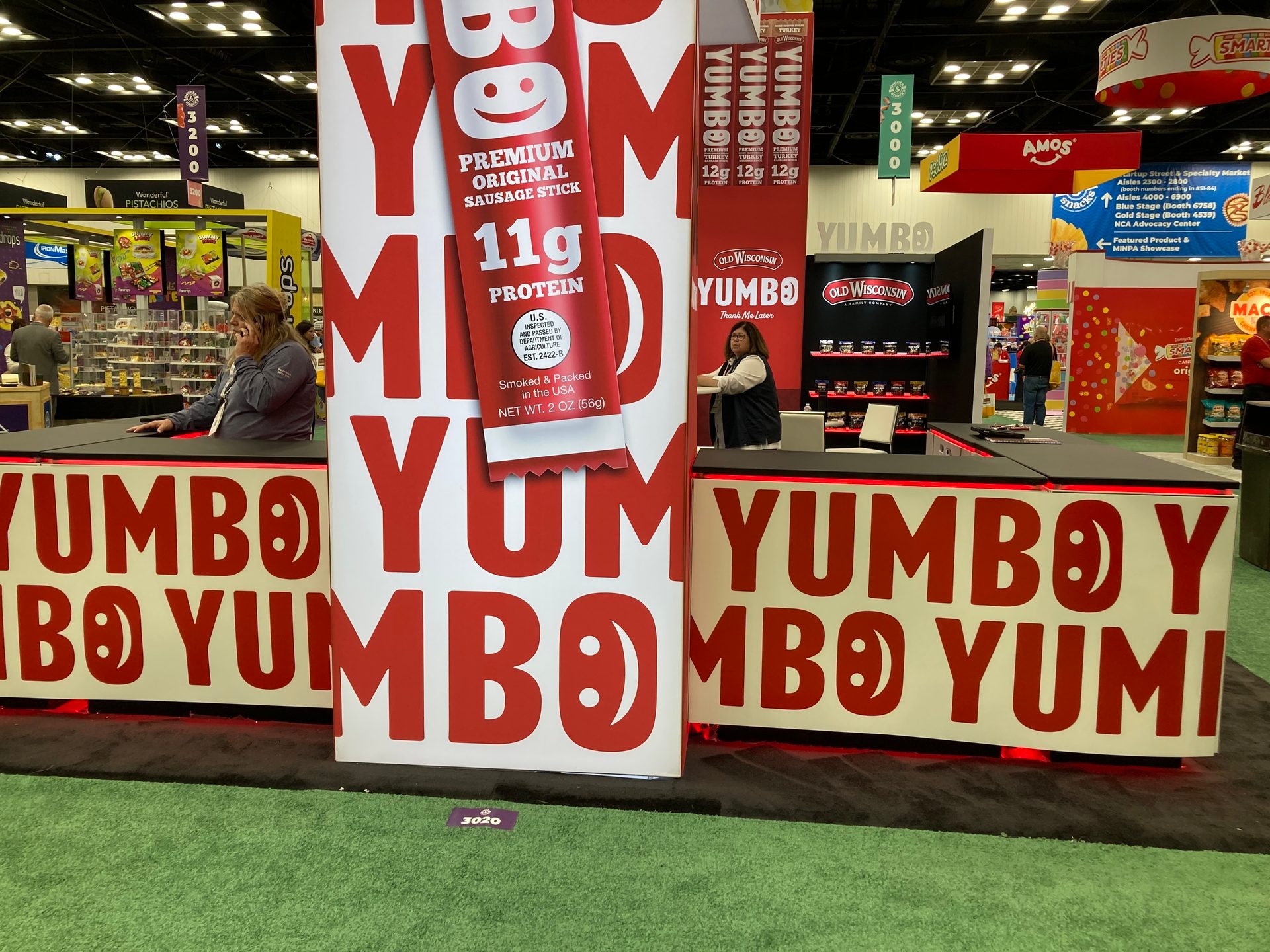
Courtesy of Liz Parker Kuhn
“Even in a well-established category, it’s clear that there is ever more room for reinvention, ingenuity, and creativity.”
— Carly Schildhaus, director of public affairs and communications, National Confectioners Association