The BOTTOM LINE
- Tariffs and competition from gummy and chewy candies have created challenges
- Health-related claims like zero sugar and natural coloring are attracting consumers
- Sour flavors and novelty qualities shareable on social media have helped sales
Hard year for hard candy
Sales overall took a dip, although brands say healthful inclusions and creative plays won over consumers.
Ed Finkel, Contributing Writer
The hard candy segment has faced headwinds in the past year, with sales down modestly, competition from gummy and chewy candy intensifying, shelf space always at a premium, and unpredictable tariff policies unsettling supply chains. However, a combination of health claims, sour flavors, and novelty items that lend themselves to sharing on social media have provided sales lifts for certain brands; that could buoy the category’s fortunes overall.
HARD CANDY
STATE of the INDUSTRY

SPONSORED BY
Market data
For the 52 weeks ending May 18, 2025, the hard sugar candy/Package and roll candy category saw dollar sales fall 6.9% to just over $1 billion, while unit sales dropped 9.3% to $459.1 million, according to data from Circana.
Top-selling brands included:
- The Hershey Company: $161.9 million, down 5.6%
- Storck USA: $125.6 million, up 0.1%
- The Bazooka Co.: $122.0 million, down 3.5%

HOVER OVER CHART TO SCROLL DOWN
Source: Circana OmniMarket™ Total Store View | Geography : Total US - Multi Outlet w/ C-Store (Grocery, Drug, Mass Market, Convenience, Military and Select Club & Dollar Retailers) | Time : Latest 52 Weeks Ending 05-18-25
Looking back
Zolli Candy, which plays in the zero-sugar portion of the segment, has seen significant growth, according to company manager Tom Morse. He notes that the zero-sugar candy saw 20% sales growth at “America’s largest retailer” last year. Rising chocolate and cocoa prices are prompting consumers to switch to non-chocolate candies, he believes, and “hard candy is benefiting from that.”
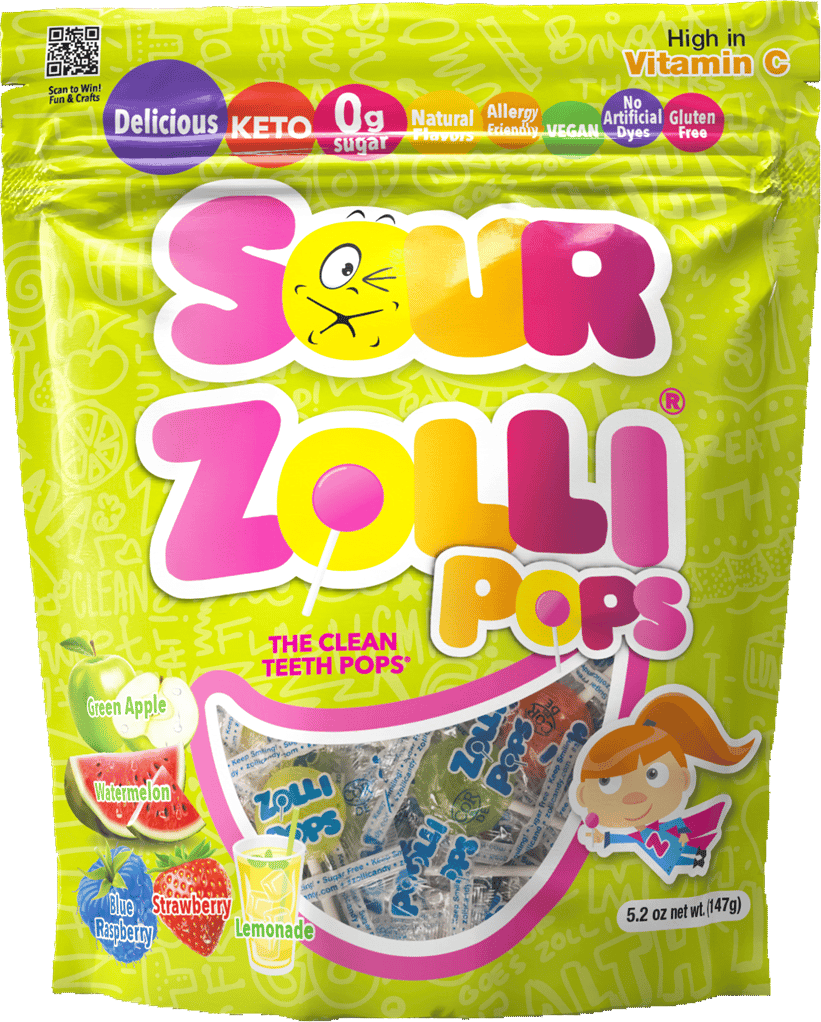
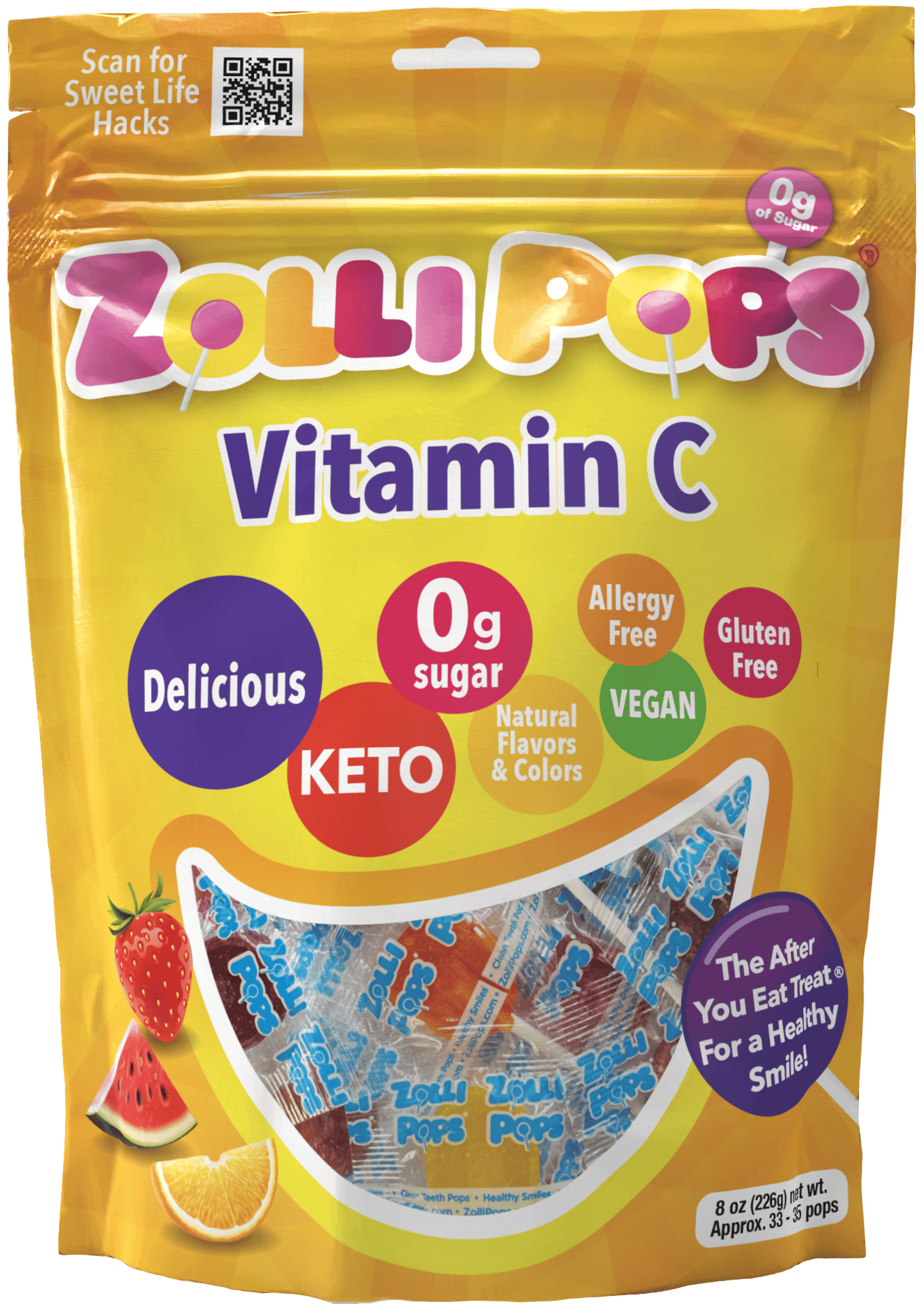
Fruit-flavored zero sugar candies continue to be a driver, and Zolli has seen growth in-store and online with its dye-free fruit flavors, says Alina Morse, CEO. She reports noting three main trends in the category:
- functional benefits such as vitamins, fiber, or protein
- a rise in sour flavors among hard candies the same way they have become infused into chewy and gummy offerings
- zero-sugar items, which have had success in the gum category
Courtesy of Zolli Candy
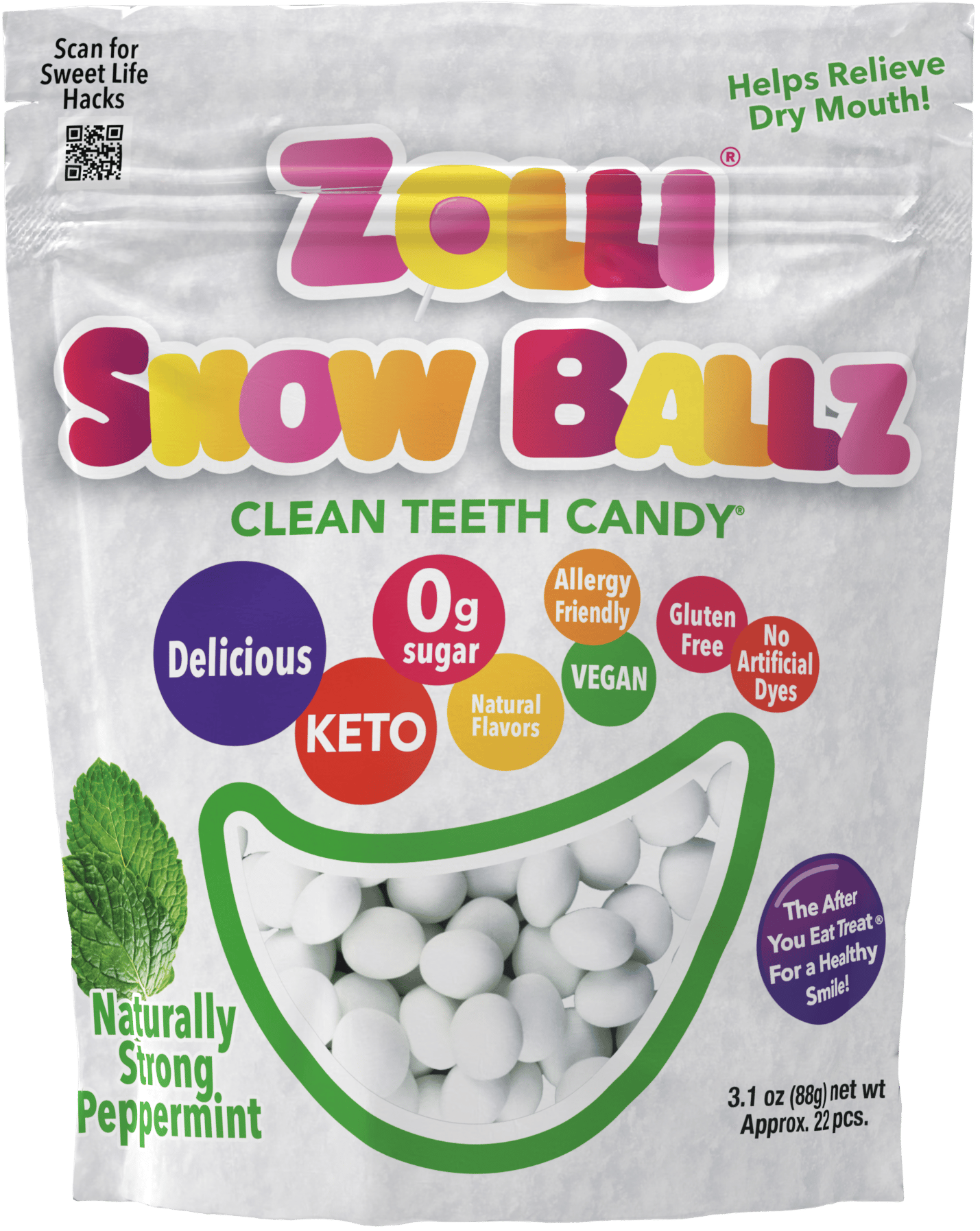
“Consumers are looking for across the board, post-pandemic, ways to get in vitamins or other supplementary dietary needs,” she says. “Adults are looking for functional hard candies, with zero sugar, mint, and fruit flavors.” Zolli Snow Ballz, mint-flavored with a light, crunchy interior, are aimed to meet that need, and they’re especially “great after a cup of coffee…Adults love the teeth-cleaning aspect.”
The lollipop subcategory (the fourth-largest in the non-chocolate segment with just shy of $700 million in sales for the year), has seen a bit of slowdown this past year after several years of strong growth, says Chris Borges, non-chocolate category director for Perfetti Van Melle, owner of the Chupa brand.
“The price pressures that we’ve seen over the past couple of years are catching up to the category,” he states. “Consumers have taken a step back. Larger sizes are fading away, and price sensitivity is playing out. You’re seeing manufacturers starting to trim pack sizes.”
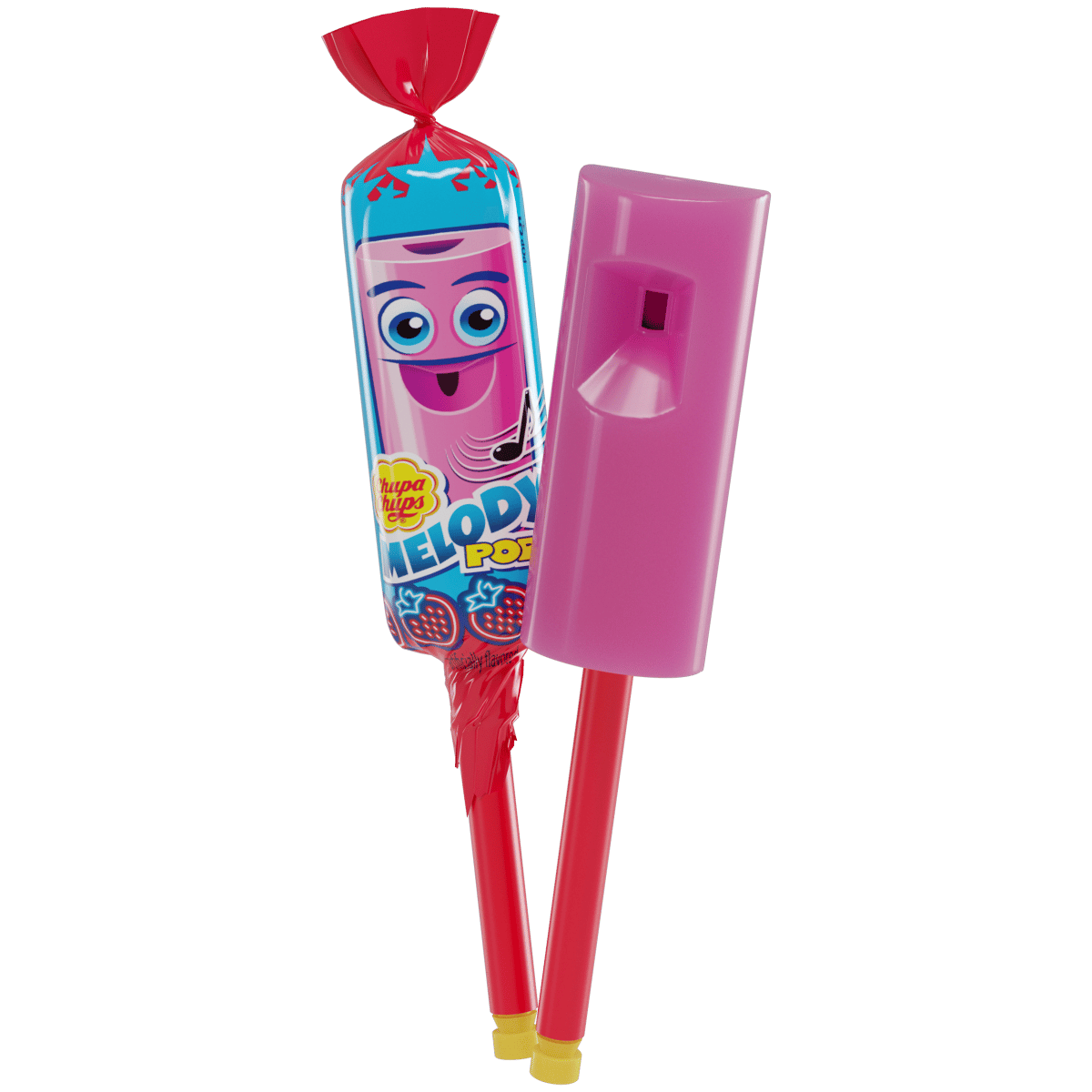
The novelty subsegment within lollipops, about half of that category, continues to be strong, Borges says: “This is where our Chupa Melody Pops play; it elevates beyond a simple consumption experience to fun—dippable stuff, squirts, more entertainment.” The Melody Pops are functioning whistles that can play musical notes.
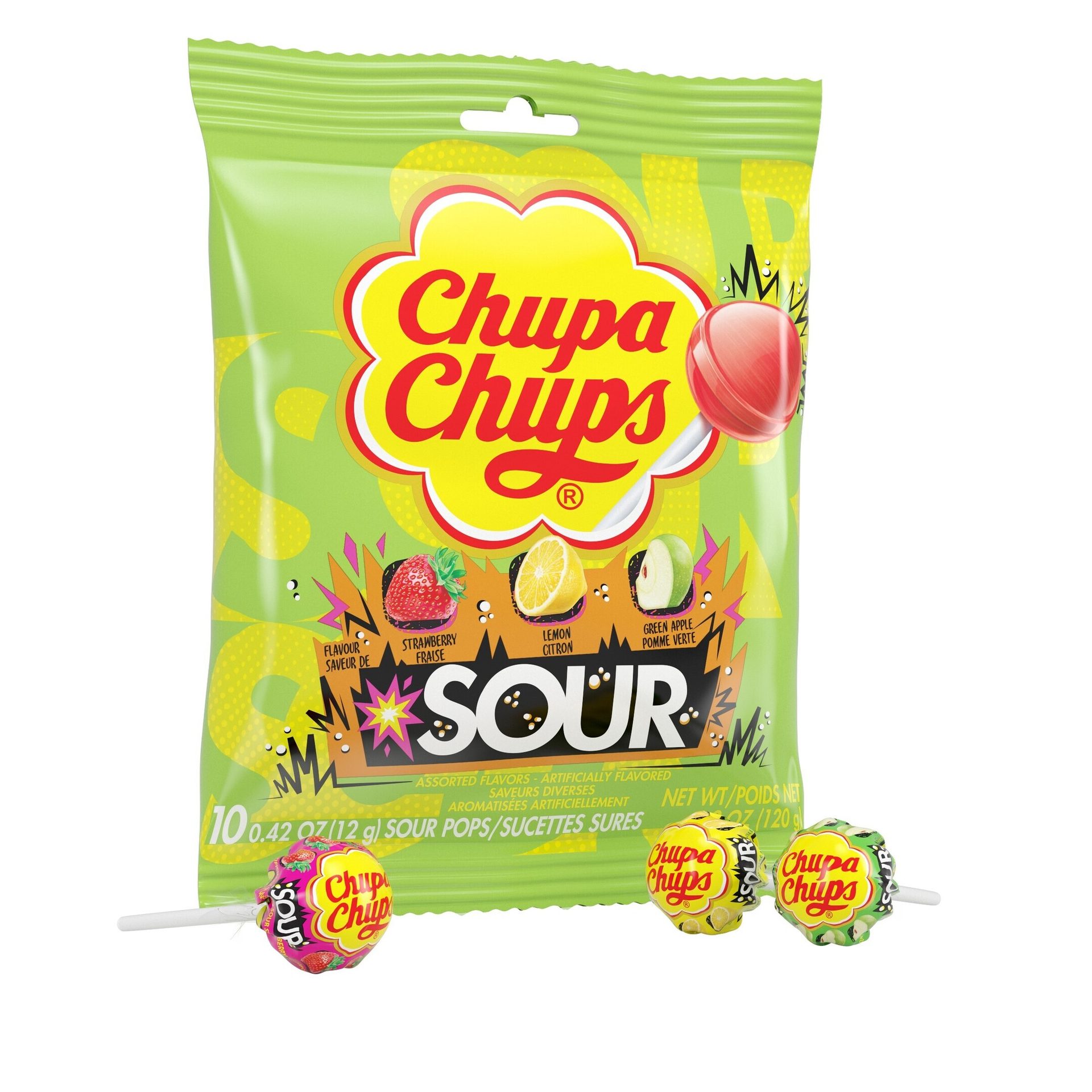
Other drivers in the category include flavor and texture exploration, Borges observes, with sour flavors entering the lollipop segment while brands also offer multiple textures in the same item. And seasonal splashes, in particular Halloween, “can drive very big swings, year over year,” he says. “It’s a priority for us, at Chupa, in terms of getting the brand out there in distribution.”
Courtesy of Hilco Sweets
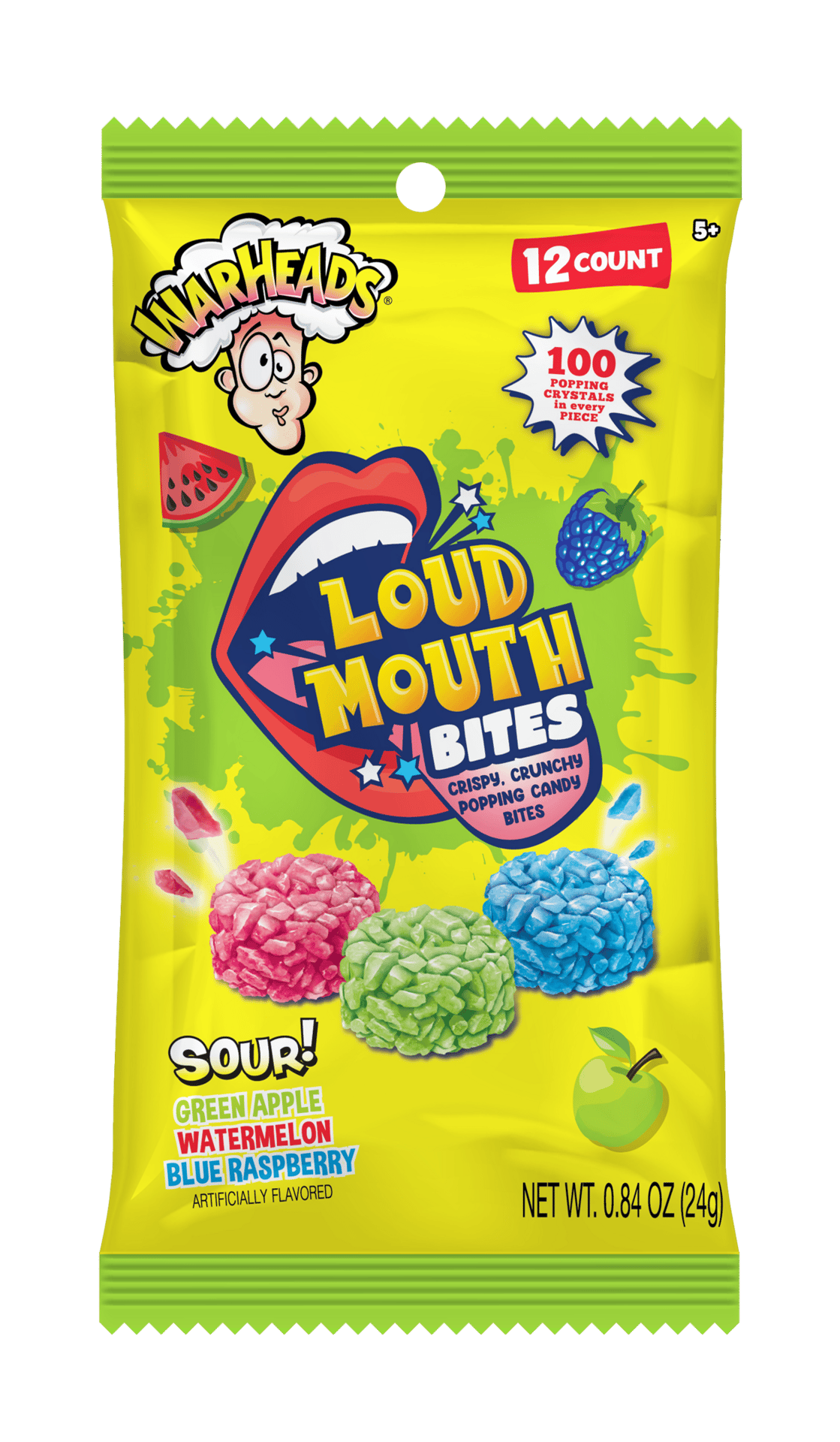
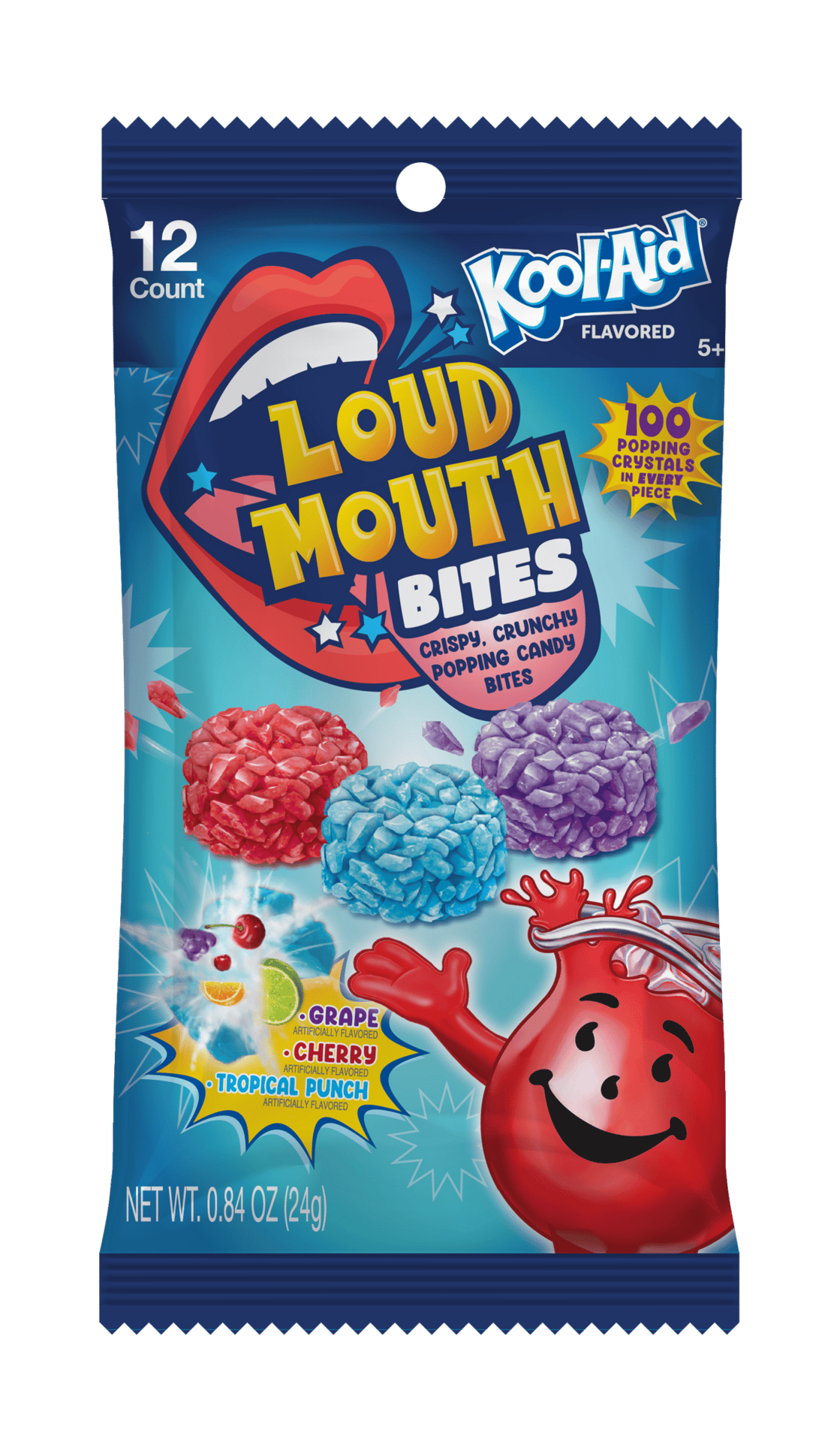
Hilco Sweets has seen success with its rock candy and popping candy offerings, leveraging cross-branded partnerships with Kool Aid and Warheads, according to Emily Edmondson, EVP of sales. The highlight of the company’s portfolio, released this August, is its Loudmouth Bites offering, a piece of hard candy that “enrobes” 100 pieces of popping candy that go off in your mouth, she adds.
“You put the disc in your mouth, and it will pop for one to three minutes,” the duration depending on whether you bite into it or let it dissolve, Edmondson explains. “The back of the package reads, ‘How long can you pop? Are you an expert, beginner or pro?’ It encourages that sharing factor that’s so important right now.”
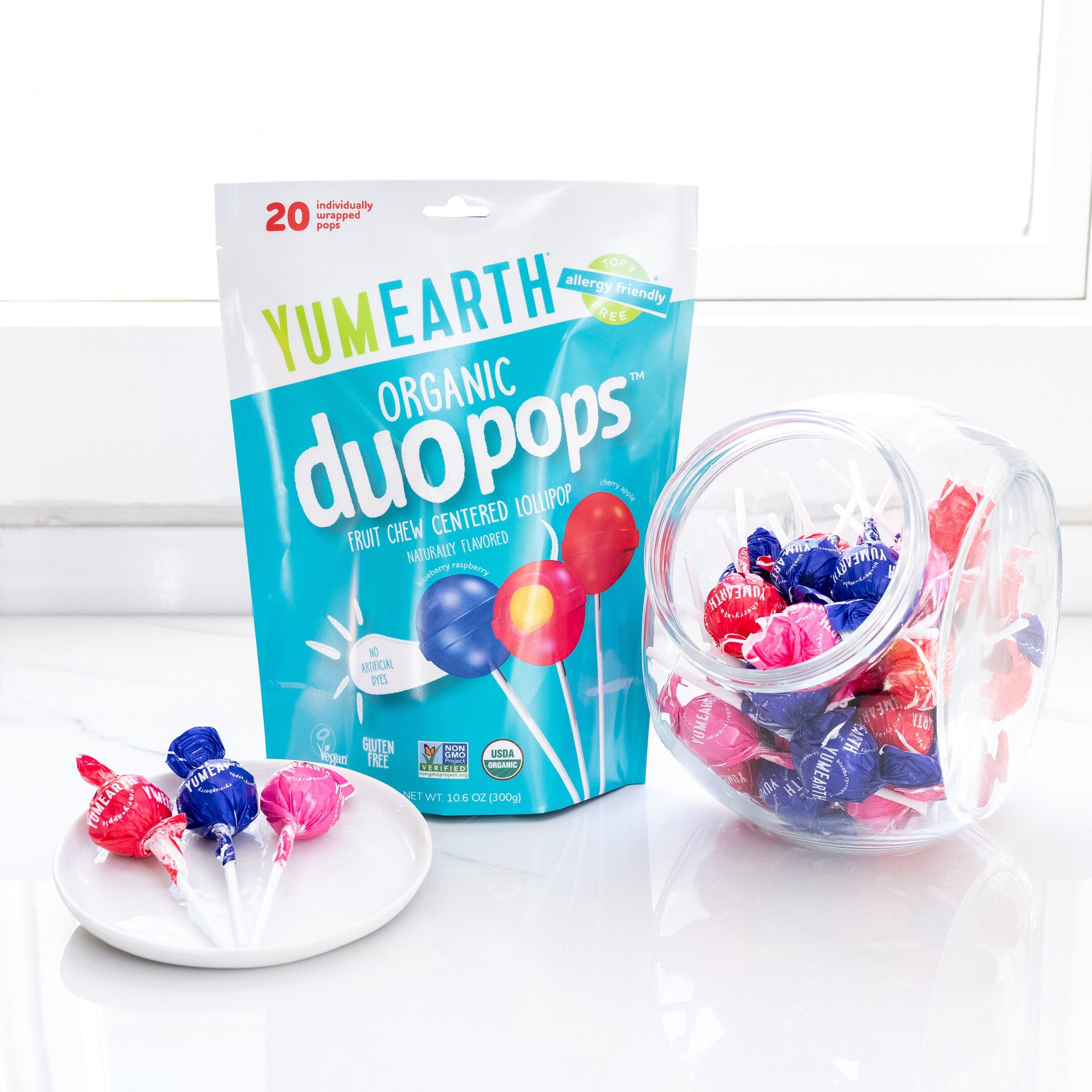
YumEarth saw growth in the hard-candy category, particularly in the natural and specialty channels, in significant measure due to the release of Duo Pops, an allergy-friendly lollipop with a chewy center available in cherry apple, blue raspberry, and strawberry lemon flavors, notes CEO Steve Van Tassel.
Parents are seeking treats they can feel good about giving their children, with greater demand for artificial dye-free candies, and the company has seen strong performance in smaller pack sizes for portion control and on-the-go snacking.
“Ingredient transparency remains a top priority, as consumers are more label-conscious than ever and want reassurance that what they’re buying is safe, especially for children with dietary restrictions,” Van Tassel says.
The challenges the category faces include U.S. tariff policy, an obstacle that has been unpredictable, more impactful than many candy brands imagined, and affects everything from flavoring to packaging, Tom Morse explains.
“Tariffs are definitely a challenge to navigate, understanding pricing and consumer confidence,” he says. “It’s all been a little bit touch-and-go since the beginning of the year.” The Make America Healthy Again (MAHA) movement’s move against dye-free food hasn’t impacted the company, since it already provided such offerings, he adds.
The hard-candy category also faces the challenge of competing against its gummy candy counterpart, where it’s easier to come up with new flavor or shape innovations, Alina Morse says. But Zolli looks for ways to make the “grandma’s purse” category more fun, youthful, and relevant on social media, aimed at a Gen Z audience. The company’s Zollipops launch this past year, infused with vitamin C for both nutrition and sour flavor, has enjoyed a “great response,” she says.
Borges points out the slowdown among higher-dollar, higher-count items as a headwind for the category.
Courtesy of YumEarth
“That driver of purchase and appeal is no longer there,” he says. “We need to drive excitement on the eating experience and make it a more compelling experience. They’re deciding between gummies and chewies in a very fragmented market.”
Edmondson “isn’t sure we have enough time” to talk about the challenges hard candy faces, given the uncertain state of global trade.
“What I like is the fact that it will challenge us to look at the business differently,” she says, adding “it makes it hard to do planning. Everyone is working on that.” She also mentions the popularity of gummy and chewy candies as another hurdle for those in hard candies.
Courtesy of Perfetti Van Melle
The main challenge Van Tassel cites for hard candy brands is the competitiveness of shelf space, particularly with the growth of both private label and functional confections.
“As more brands enter the clean-label space, it’s become increasingly important to differentiate through both product quality, great taste, and brand trust,” he says.
Looking forward
During the coming year, Zolli Candy leadership expects the zero-sugar portion of the hard candy category to continue to grow quickly, while low-sugar will be too “ambiguous and confusing” for consumers, especially those with diabetes, Alina Morse says. In addition, restrictions on dyes will potentially impact the supply chain as there’s greater demand for natural flavors and colors.
“We feel lucky we’re already in that lane,” she says.
To the extent that new leadership in public health boosts prices, hard-candy makers will need to figure out how to respond, Tom Morse says. “It’s something you have to try to have solutions ready and available for retailers and consumers, ahead of the curve,” he says. “Changes in the sugar program likely will impact costs; as you increase your costs, prices are going to increase. Those are big challenges that the industry and consumers face together.”
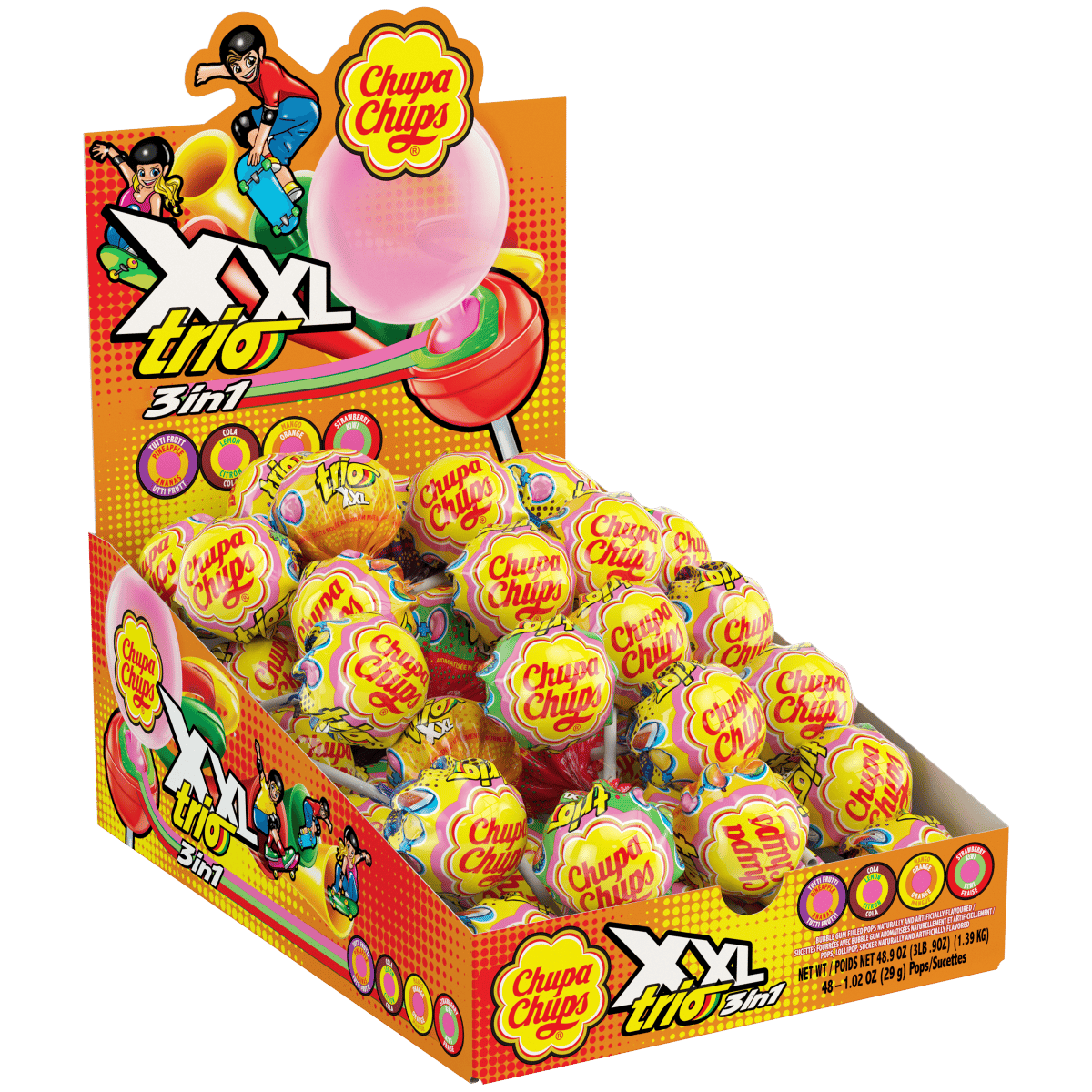
The pricing environment for hard candies will continue to be a challenge as consumers become more discretionary, Borges believes, and lollipop brands will need to move beyond the traditionally commoditized nature of the segment. Chupa sees “a ton of opportunity” in that regard for its signature Chupa Chups brand, the top-selling brand globally despite being a “tiny player” in the U.S. “Perfetti is well-positioned because of our global exposure to bring different innovations to the U.S. market,” he says.
The novelty segment will continue to perform well, with products that tend to be higher-priced per ounce and per serving, Borges adds.
“They’re very efficient on shelf, from a retailer perspective,” he states. “We’ll continue to see innovation in that space.”
“The price pressures that we’ve seen over the past couple of years are catching up to the category.”
— Chris Borges, non-chocolate category director, Perfetti Van Melle