Functional and nutritional
INGREDIENTS
The BOTTOM LINE
- Healthy eating interests are constantly evolving
- Consumers are not willing to sacrifice taste for better nutrition
- The popularity of GLP-1 drugs is impacting how people snack
Functional factors
Consumers want more nutritional and functional benefits from baked goods and snacks.
Jenni Spinner, Chief Editor
Whether it’s watching their weight, reducing their sugar intake, boosting their protein, getting more fiber, or a combination of the above, consumers can succeed in meeting health goals with the right snack or baked treat. Producers just need to keep in mind that shoppers expect a lot out of such products, including delightful taste, acceptable texture, and more.
Impactful trends
According to Abby Ceule, vice president for functional systems with Corbion, healthful snacking is increasingly important to consumers, which provides food manufactures with opportunities to stand out.
“Historically, snacks and baked goods weren’t top of mind for nutritional upgrades, but today they’re prime platforms to deliver mindful indulgence: foods that feel special, taste great, and offer added wellness value,” she states. “By pairing nutritional enhancement with superior freshness, safety, and quality, manufacturers can differentiate in a crowded aisle.”
Joe O'Neill, VP of sales and business development for A&B Ingredients, says consumers’ priorities regarding healthful eating are constantly changing.
“While the demand for snacks remains strong, motivation and food choices have evolved significantly,” he notes. “Consumers are choosing products that offer functional benefits and align with more mindful eating habits.”
Nora Khaldi, founder and CEO of Nuritas, says the right ingredients can help consumers meet their health interests with their bakery and snack purchases.
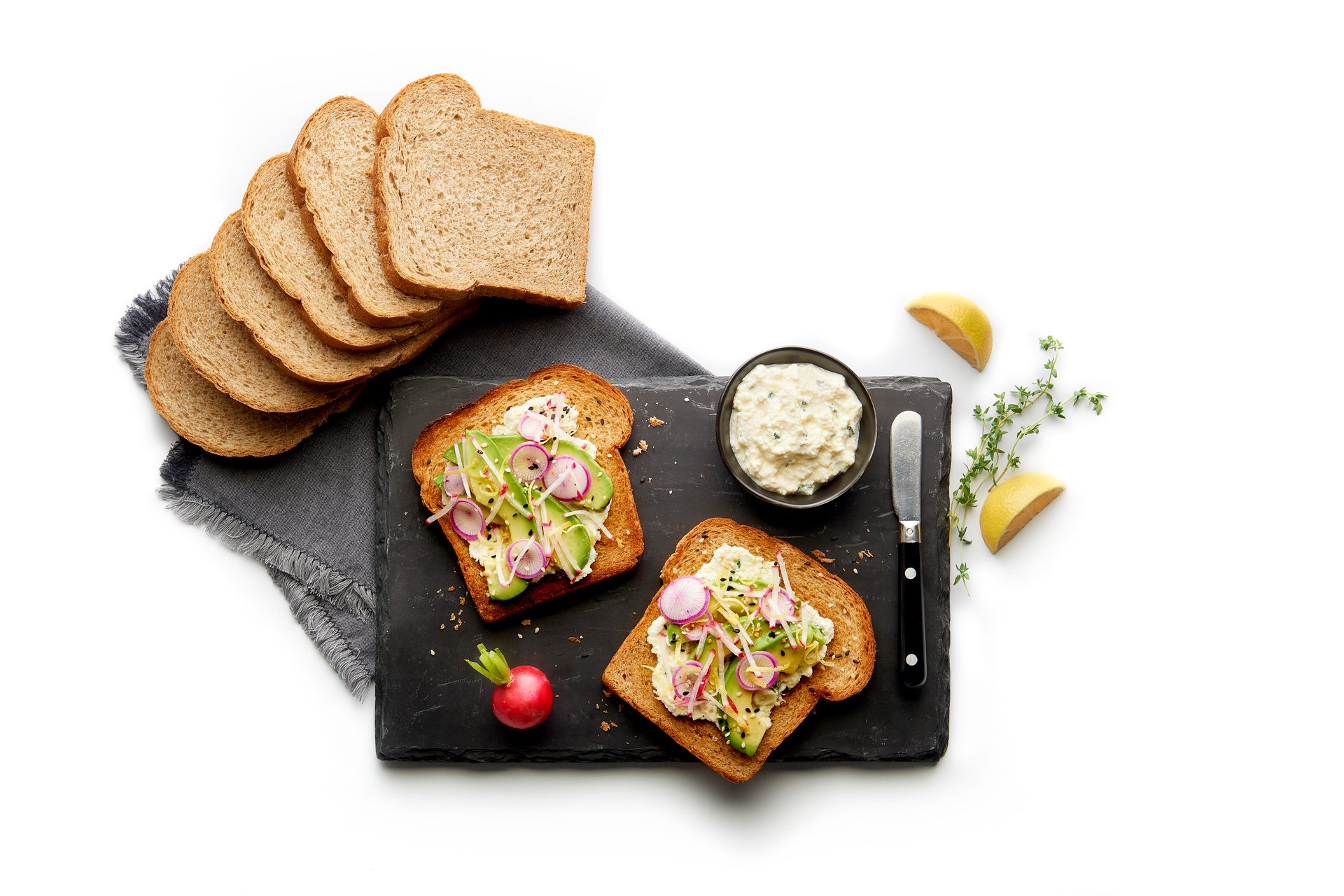
Courtesy of Corbion
“Consumers want more from their food to help reach their goals. For bakery and snack, that often translates into lower sugar, more fiber, and especially higher protein,” she says. “There are some snacks that have 20g or more protein per serving. In the grocery aisle, consumers are reaching for soda that provides gut benefits, bread fortified with additional fiber, or protein chips. Bars continue to garner interest from consumers seeking additional health benefits plus unique flavors and textures.
O’Neill adds that the rise of GLP-1 usage for weight loss and diabetes is accelerating the surge in reduced-sugar, high-protein, and fiber-enriched bakery and snack purchases. Other health-related interests include the need to boost energy, improve digestion, elevate cognitive function, and promote healthy aging.
Hannah Bean, Beneo’s marketing manager for the Americas, says the company’s portfolio focuses primarily on enhancing dietary fiber, protein content, and whole-grain ingredients.
“We’re seeing growing demand in this area—driven in part by the GLP-1 community’s interest in nutrient-dense, health-conscious food and snacking options,” she states. “According to a Snacking Motivations and Attitudes survey by the USDA in 2025, 50% of Gen Z respondents and 60% of Millennials are looking for snacks with specific nutrition content. For Gen X and Baby Boomers, 47% of and 38% are looking for the same requirements.”
Lena Bosc-Bierne, products and applications manager with KPM Analytics, says consumers, in addition to expecting indulgence in healthy baked goods, also often want such items to meet high quality standards.
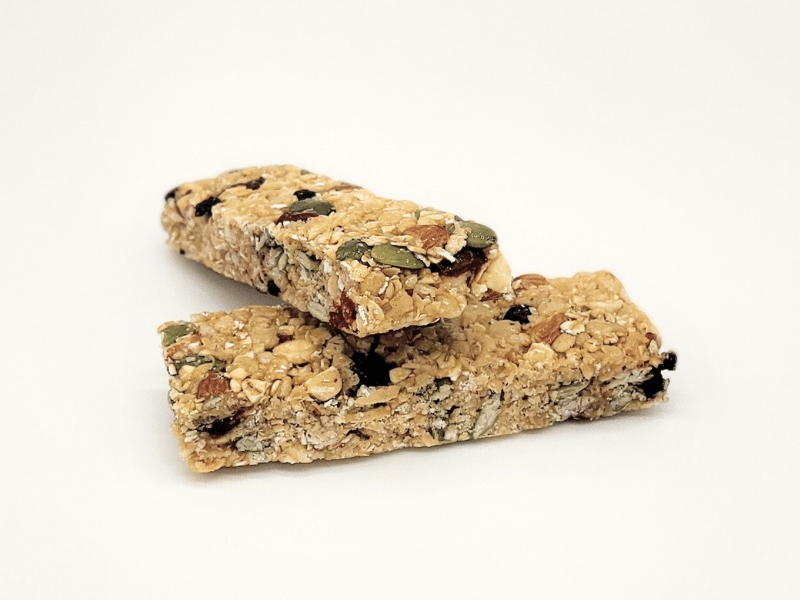
Courtesy of A&B Ingredients
“We are seeing demands for more artisan-style baked goods, including ones developed with local wheat, ancient wheat, etc.,” she observes. “Nevertheless, working with these ingredients commercially requires extra quality control measures to ensure consistency.”
Product challenges
O’Neill states producers are motivated to deliver the functional and nutritional benefits consumers seek, but it is not necessarily an easy task—myriad considerations exist.
“One of the biggest challenges is cost; natural and clean-label ingredients that deliver functional benefits often come at a higher price compared to conventional or synthetic alternatives,” he observes. “While this can increase formulation costs, it's important to remember that finished products with clean labels and added functionality are often more appealing to consumers.”
Bean advises incorporating nutritional and functional ingredients can require producers to perform a tricky balancing act.
“When it comes to proteins, especially plant-based ones, off-flavors are a common challenge; similarly, fibers and whole grains often present taste-related hurdles, such as bitterness and a slightly coarse mouthfeel—particularly in whole grain applications,” she says. “Incorporating functional and nutritional ingredients often requires balancing nutritional benefits with processing and sensorial performance.”
Ceule notes that with interests around snacking in general, and functional/nutritional treats specifically, producers should strive to consider their staying power.
“When evaluating new functional or nutritional ingredient trends, producers often balance opportunity with risk; one common concern is whether a trend will endure or prove to be short-lived,” she says. “Reformulating or launching new products takes time, resources, and capital, so manufacturers want to know a shift is more than a passing fad before committing.”
Chad Rieschl, Cargill principal scientist, notes that knowing how formulations incorporating such ingredients can impact other aspects of a product is key in delivering results.
Courtesy of Jenni Spinner
“Fibers can affect digestive tolerance; proteins may introduce off flavors, dense textures, and darker colors; whole grains can limit expansion in extruded snacks; nutraceuticals may be heat- or light-sensitive, requiring higher inclusion rates that add cost and can complicate flavor,” he says. “As more of these ingredients are layered in, adjustments to other systems become necessary, often with added costs. At the end of the day, consumers don’t want to feel like they’re giving something up when they choose a better-for-you snack. Taste remains the critical benchmark.”
Steve Adolphson, senior research manager with Glanbia Nutritionals, cautions that functional and nutritional ingredients can behave differently in the production process than conventional counterparts.
“Many bioactive and functional ingredients can be sensitive to heat and/or shear, both of which are common when producing baked goods; denaturing or inactivating these compounds can defeat their purpose or can be costly to add significant overages,” he says. “Nutritional ingredients, such as protein, can absorb more water, and formulations will need to be altered to account for higher absorption. They can also lead to stiffer doughs or thicker batters, which can lead to higher water activity levels leading to potential shelf stability issues.”
David Guilfoyle, senior manager for bakery/fats and oils with IFF, says, “Functional ingredients must do more than taste good—they need to support the product’s nutritional and sensory profile. Moisture management, bake stability, and shelf life remain common challenges, and these factors often separate premium solutions from commodity options.”
Another thing to consider, according to Adolphson, is products’ useful life.
“Consider the shelf-life implications that can be limited with traditional proteins,” he states. “Baked goods traditionally have a relatively short shelf life of days to weeks. The functional and “better-for-you” side of bakery often requires a shelf life of many months. As such, a functional protein is often required to maintain ideal texture and flavor as the product ages.”
However, O’Neill muses, tackling the list of issues associated with such products can have a worthwhile payoff.
“Snack brands that invest in clean-label functional ingredients often see the payoff in stronger consumer trust, premium positioning, and product differentiation on the shelf,” he states.
Courtesy of Jenni Spinner
ingredient solutions
Ceule observes that with so many questions and challenges around including nutritional and functional ingredients, “Having strong technical support and formulation expertise is critical. Working with knowledgeable partners can help manufacturers navigate ingredient interactions, optimize processing, and balance functionality with sensory quality, so better-for-you products perform well without compromising taste, texture, or production efficiency.”
The fiber solutions in Beneo’s stable include prebiotic chicory root fibers. According to Bean, incorporating the fibers can help bakers and snack makers meet consumer’s health-related interests.
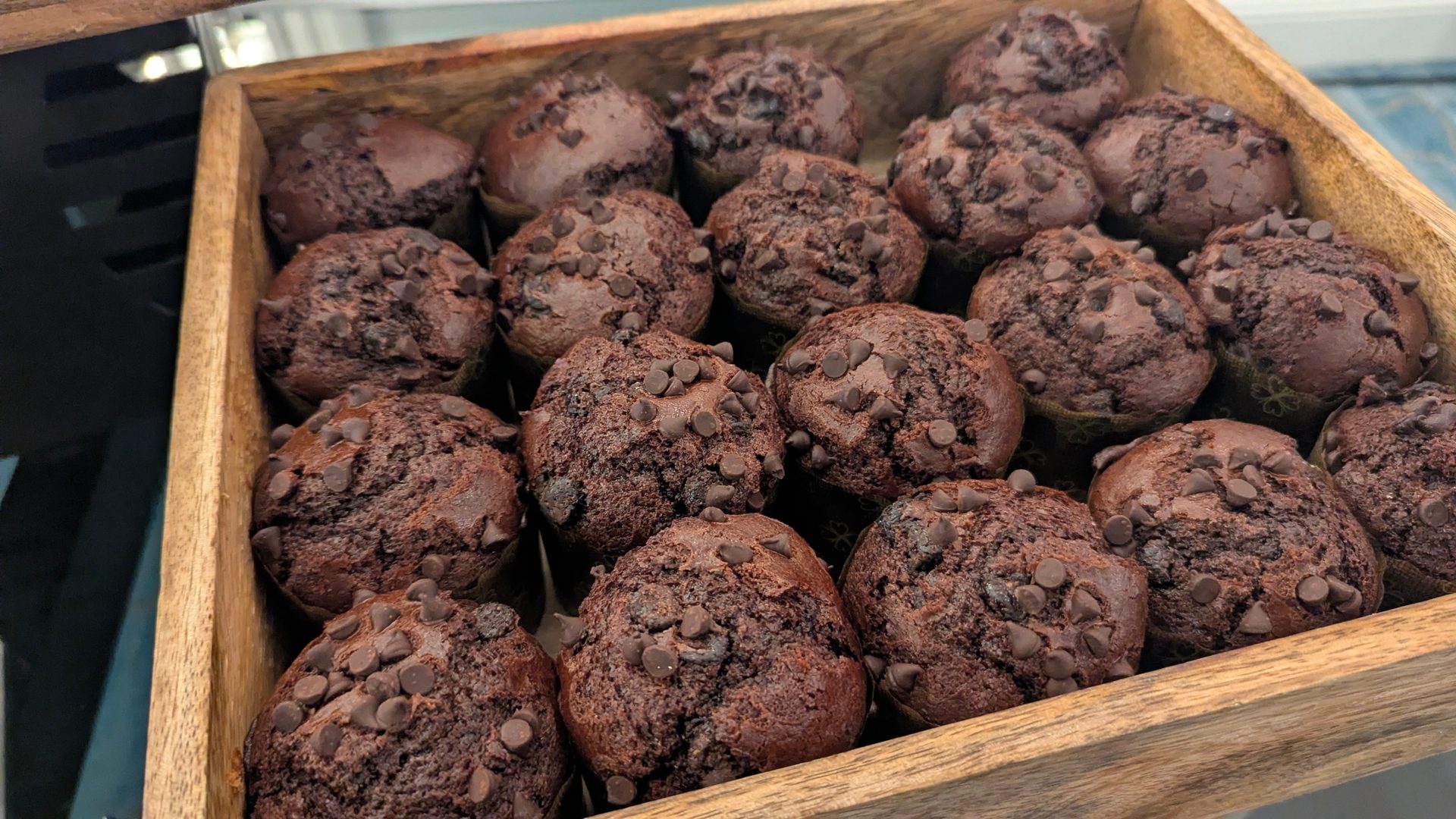
“By incorporating soluble chicory root fiber in indulgent baked goods, such as cookies, cakes, and muffins, consumer preferences can be satisfied while allowing manufacturers to reduce the sugar or fat content of their products,” she shares. “Especially in the indulgent category, it is key to maintain the appealing taste and texture of the end product. The technical properties of chicory root fiber, allow the development of products without compromising on taste and texture.”
O’Neill says A&B offers a range of items helping meet functional and nutritional interests, including its Cellula pea fiber product.
Courtesy of Jenni Spinner
“Functionally, adding this fiber to products helps retain moisture, improve texture, and extend shelf life,” he says. “In snacks, Cellula adds fiber and helps with extrusion. In bars, Cellula fiber acts as a binder. Its high fiber characteristics, neutral taste, and color make it well-suited for products like baked treats, bread, energy and health bars, muffins, and cookies.”
Khaldi says Nuritas’ PeptiStrong, a bioactive plant peptide ingredient, can be used to boost protein’s effects.
“As a result, products can promote increased strength, recovery, and energy,” she says. “As formulators add more protein, there’s only so much that can be added before the formulation tradeoffs aren’t worth it. PeptiStrong enables formulators to enhance the benefits of protein content without increasing the total grams, which would cause issues with texture and flavor. It’s another path to product differentiation to elevate items like high-protein bars, breads, baked goods, and pasta.”
Ceule shares that Corbion aims to offer ingredients that make the task of boosting nutritional benefits and adding function as simple as possible.
“Bakers can utilize products like our protein enhancer to increase the protein content in breads, buns, bagels and tortillas without major reformulations,” she shares. “Our complete mix solutions reduce the development time for launching new products to the market. This makes it easier to launch protein-baked goods that align with modern wellness trends and clean-label expectations, without sacrificing taste, textures, or efficiency.”
Guilfoyle says the knowledge and support supplier partners offer can be as important as the ingredients themselves.
“We’ve successfully supported our customers in formulating a wide range of bakery and snack applications—including breads, tortillas, and sweet goods—with added protein and fiber,” he notes. “Our deep expertise in ingredient functionality allows us to tailor solutions that integrate seamlessly into existing manufacturing processes, ensuring both nutritional enhancement and product quality.”
“Consumers want more from their food to help reach their goals.”
— Nora Khaldi, founder/CEO, Nuritas

“Consumers are looking for healthier fats, such as those from coconut oil, olive oil, and avocado oil.”
— Jackie Steffey, senior customer innovation manager, AAK