Slicing / cutting / portioning
Tech & Techniques
The BOTTOM LINE
- Flexibility and quick changeover are top-of-list items
- Equipment typically needs to be easy to operate to be considered
- Ease of cleaning, sanitation, and maintenance also are high priorities
A cut above
When a baking or snack-making operation is looking for slicing, cutting, and portioning equipment, versatility is a must-have trait.
Ed Finkel, Contributing Writer
Features and benefits like versatility, ease of use, modularity, automation and faster changeovers are top of mind for snack and bakery companies shopping for new or improved slicing, cutting, and/or portioning systems, manufacturers say.
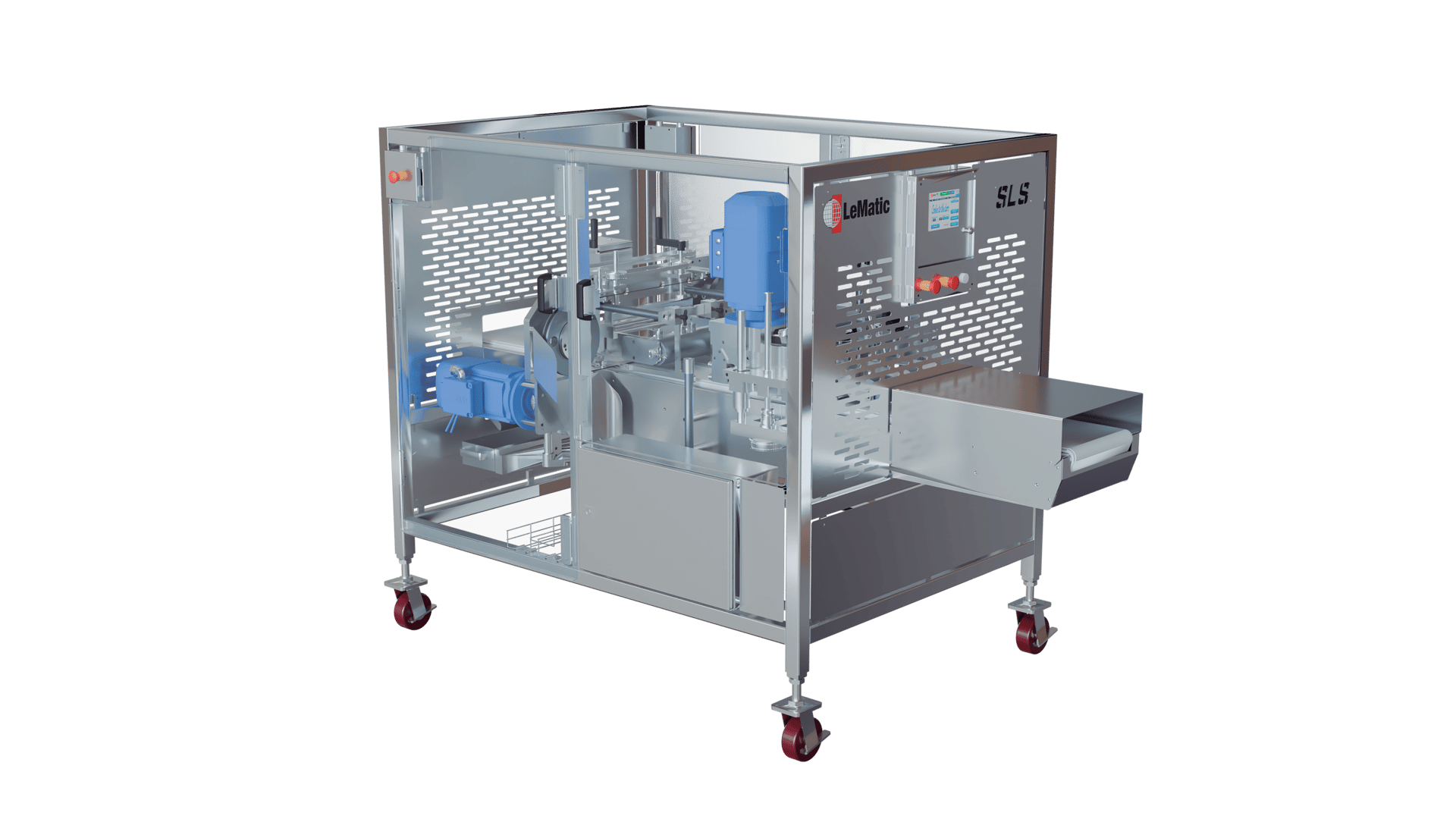
Courtesy of LeMatic
Tech considerations
Matt Phillips, vice president of sales for LeMatic, reports that the versatility to handle a variety of products to limit changeover time comes up in almost every such conversation.
“With smaller slicers for mid- to lower-size bakeries, there’s always a concern of, ‘I have 60 different products that I have to run through the same slicer,” he says. “If we can keep it to three or four changeover steps that keep it to under six or seven minutes, it works well. They’re either trying to do more with less, or trying to do more than they do now without taking the step up to three-quarters-of-a-million-dollar systems.”
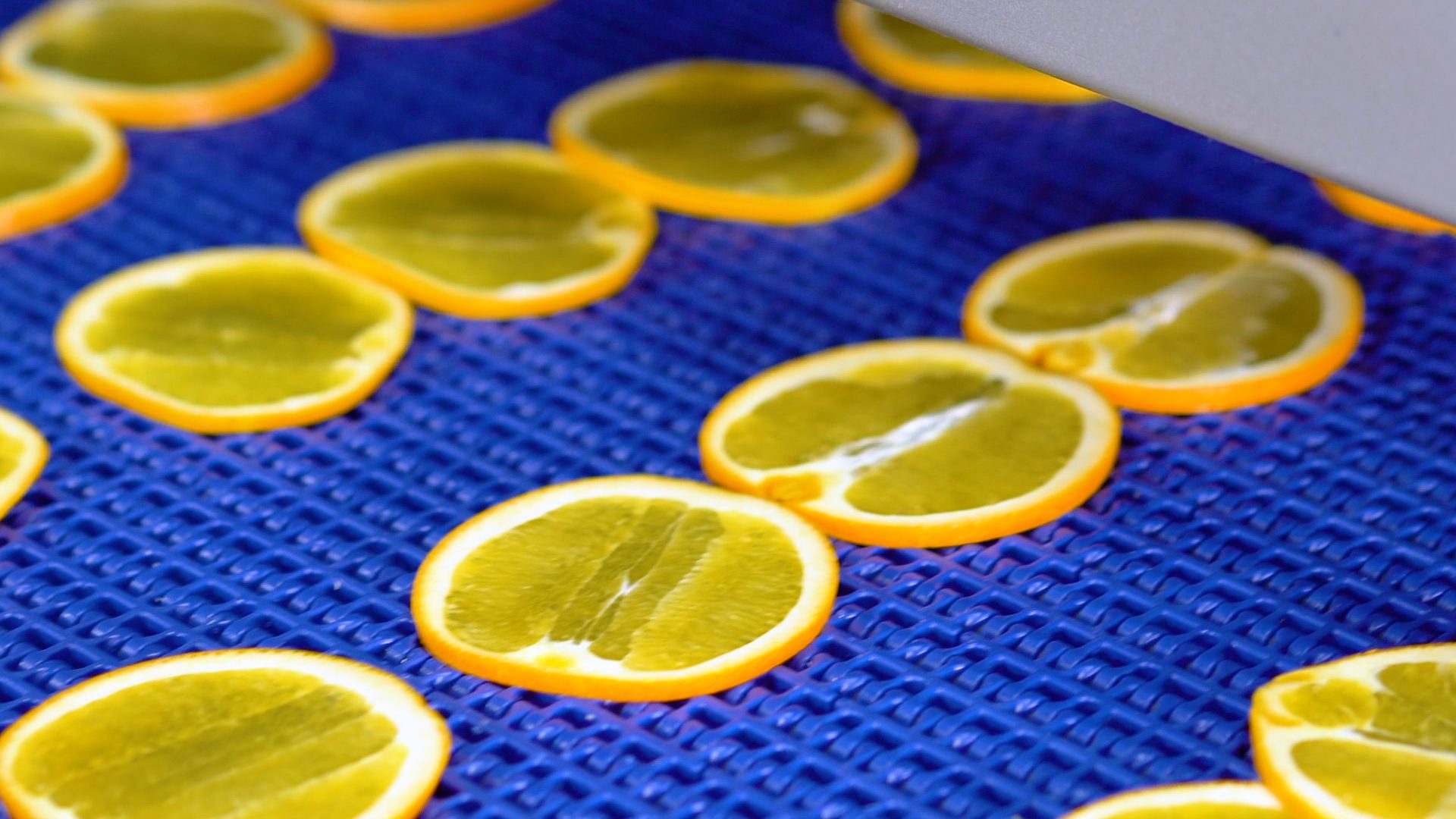
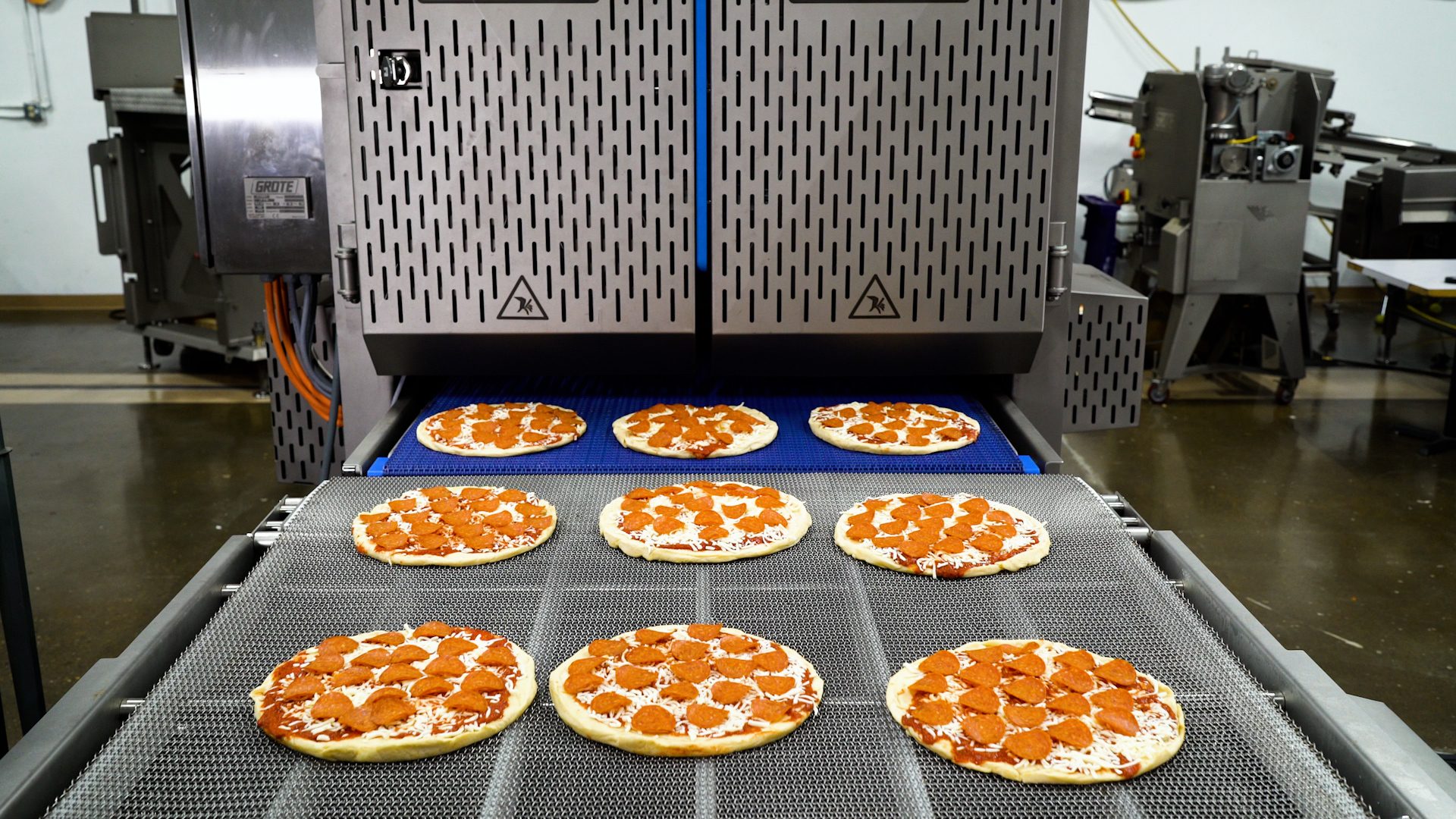
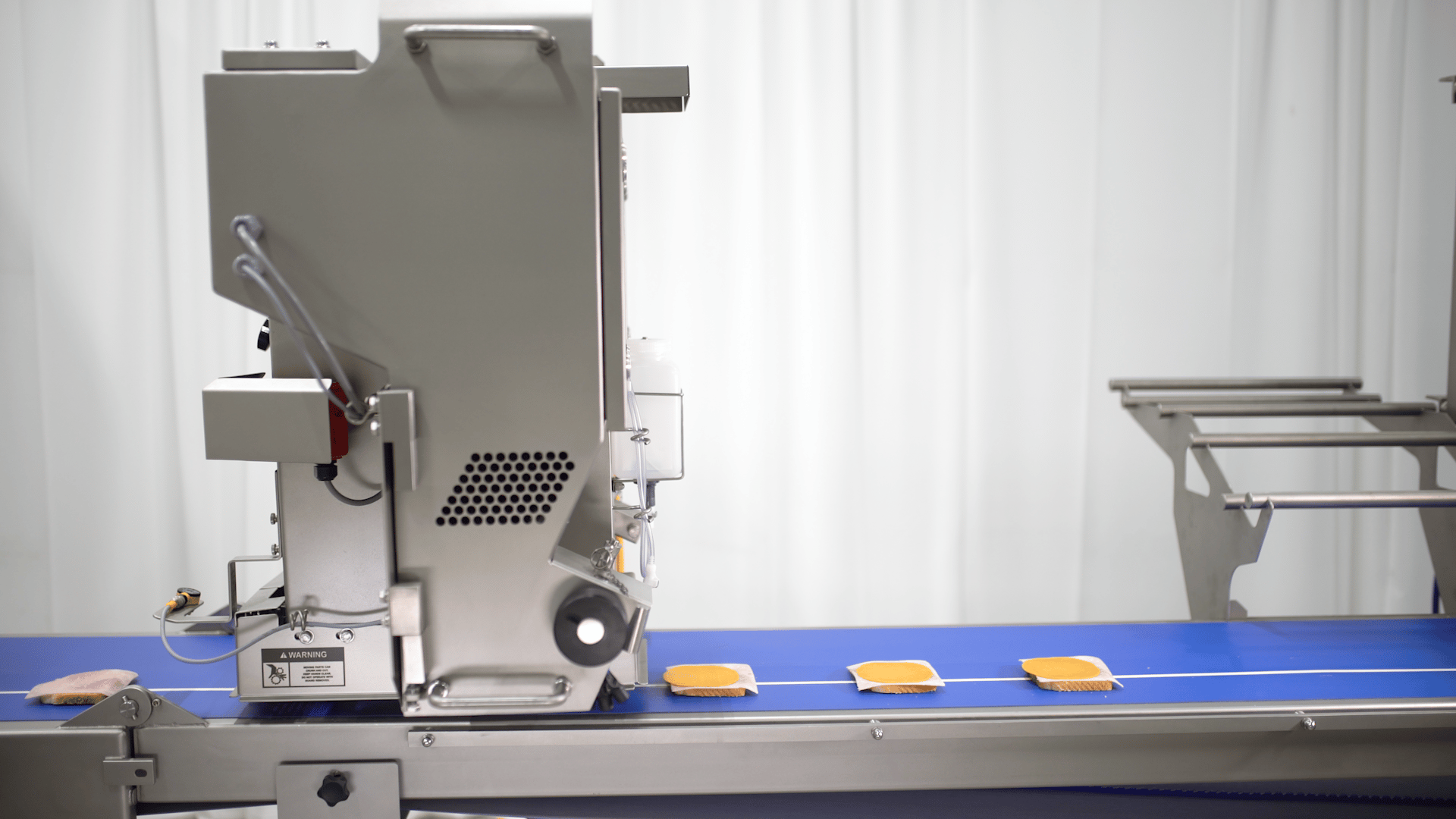
Courtesy of Grote Co.
Customers of Grote Co. have many of the same queries, shares Tanner Adams, aftermarket operations leader. “Definitely in the pizza industry, margherita and pepperoni are no longer good enough,” he declares. “You always see a new flavor of chips; to go along with that, I need equipment that can be more than one thing.”
Courtesy of FoodTools
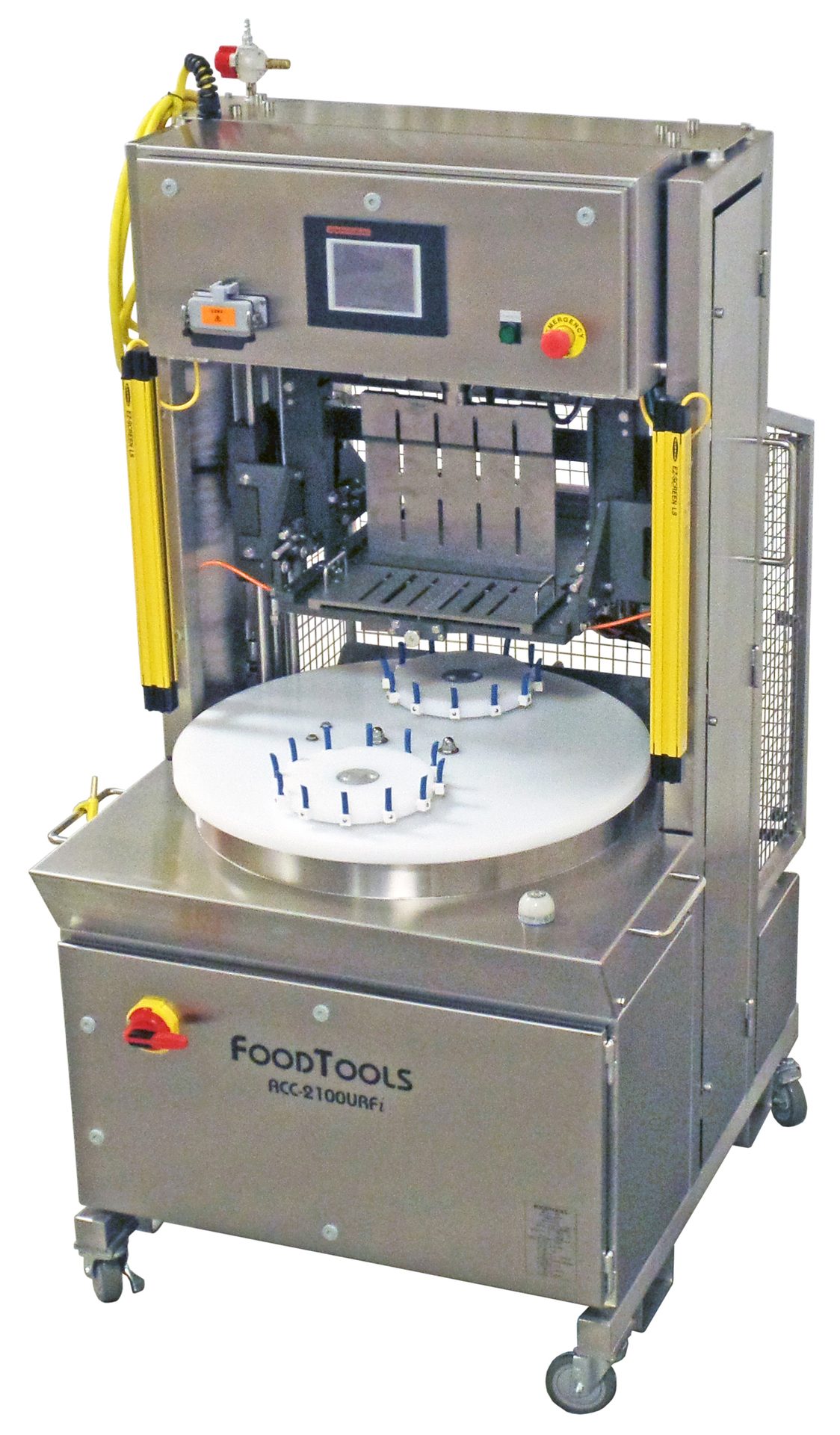
Machines that are simple to operate is another request Adams gets, especially from smaller companies that can’t afford much in the way of automation. “Taking the complexity out of stuff for businesses that can’t pay for the automation is key—you just press a button,” he says.
The trend toward healthier products is part of what’s driving both of these lines of questioning, Adams believes. “Companies are trying to reduce the amount of oil they use,” he reports. “They’re trying to reduce the number of ingredients, simplifying the process. Organic and natural gets into pretty much everything nowadays.”
Ease of use also frequently comes up when Sergio Caballero, sales manager at FoodTools, talks with potential customers: “They don’t want something too complicated, whether the maintenance team is trying to repair something, or just make sure settings are correct. From an operations standpoint, it’s making sure machines are easy to operate. That covers all levels—at the end of the shift, they want to make it easy to clean and swap out products.”
Courtesy of Urschel
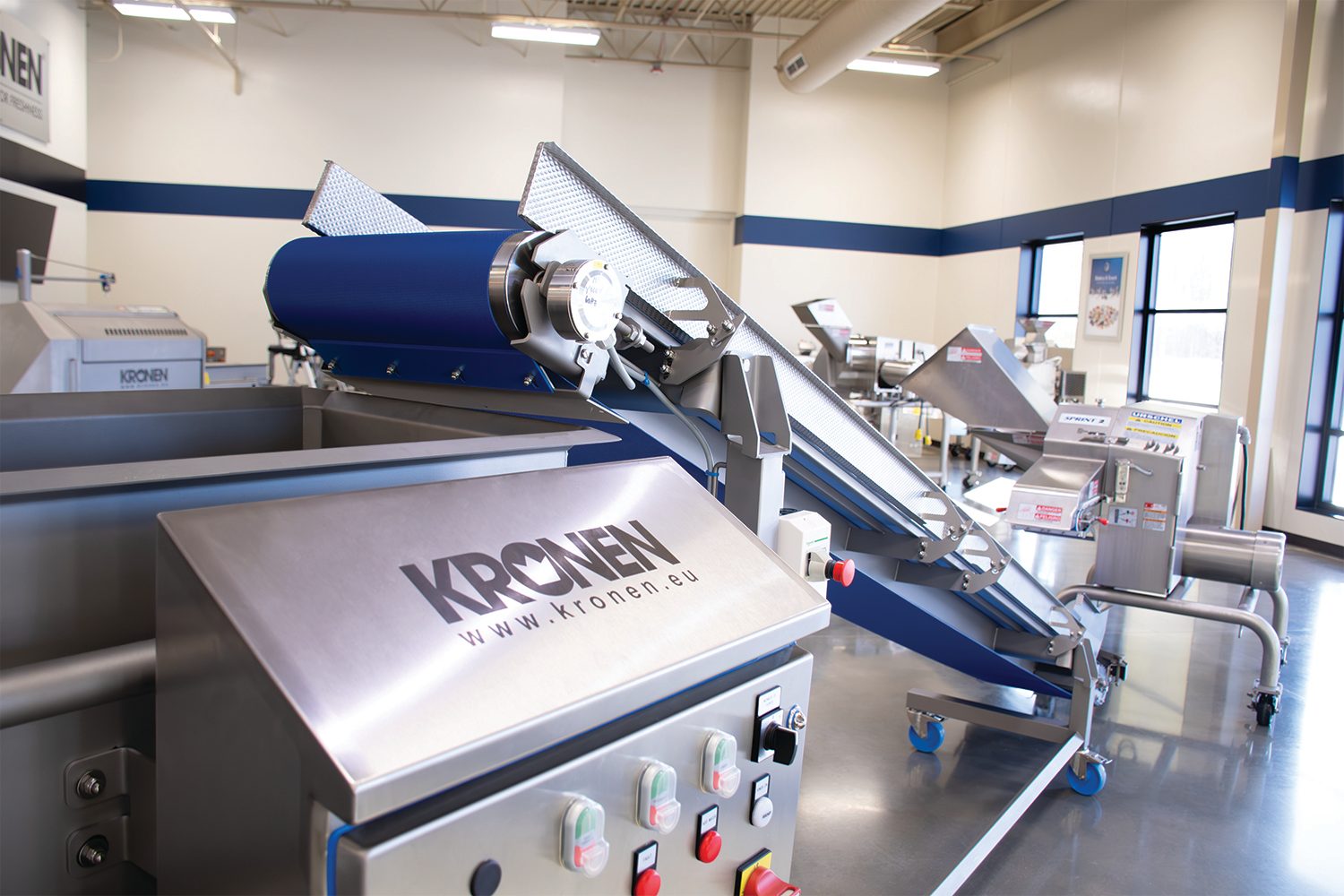
Similarly, Scott Klockow, director of applications and product development for Urschel, believes the current economic climate is prompting customers to depend on simpler machines and technology that require little if any training to keep up with the demands of production—and depend on Urschel more than ever for staff training and routine maintenance.
“We believe these trends to be more societal-driven than product-driven,” he points out. “As our customers are finding it less common to have long-tenured employees in their production or maintenance departments, we see it as our responsibility to fill that gap.”
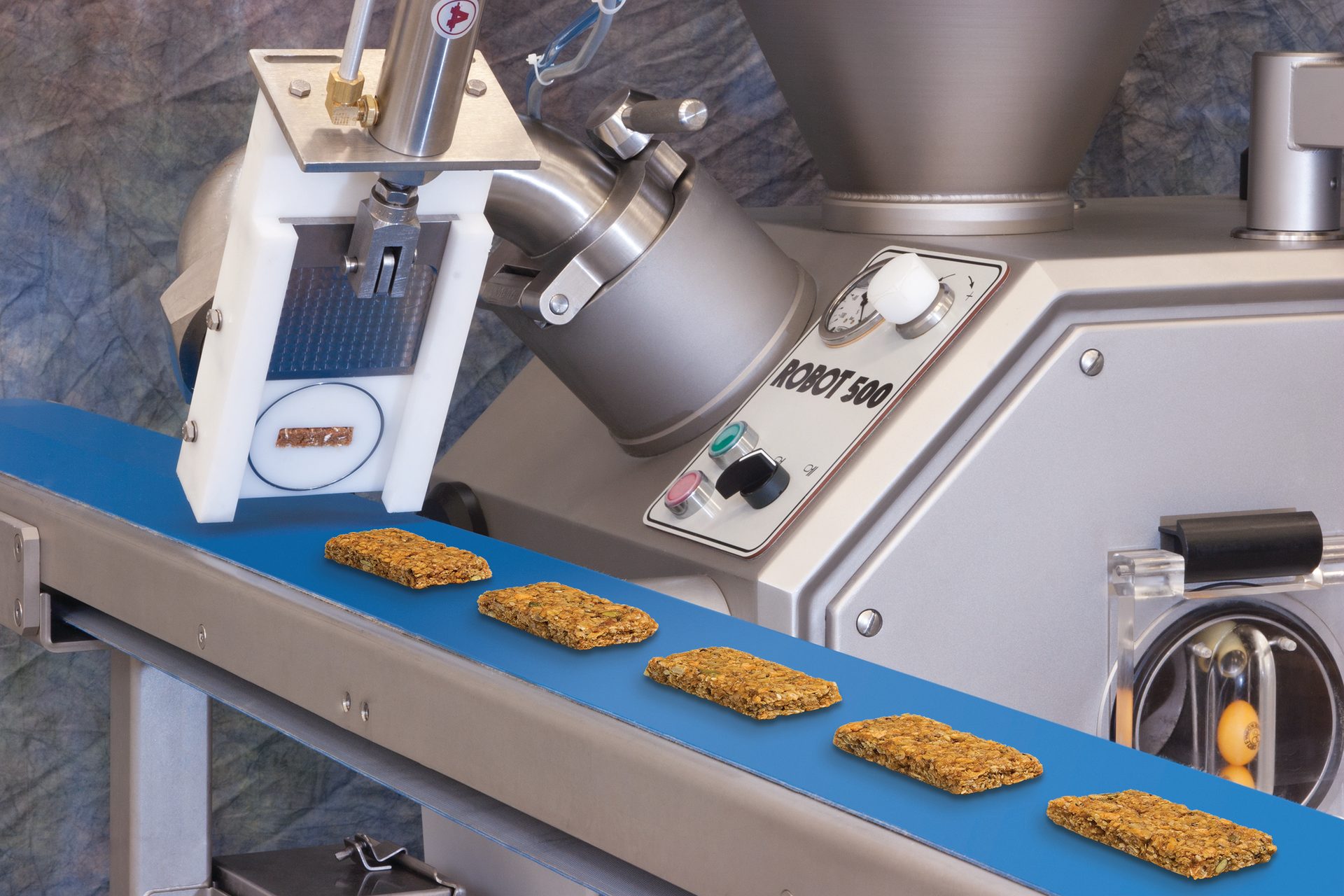
Customers of various Reiser brands have both interrelated and distinct desires, according to Jeff Zeak, national development manager for bakery. Broadly speaking, key industry trends include: modularity, accuracy, gentle handling, hygiene and sanitation, automation and integration that allows for labor reduction, and product-driven engineering driven by protein snacks and bars, premium-baked goods with inclusions, plant-based SKUs, and ready-to-eat convenience products, he says.
Courtesy of Reiser
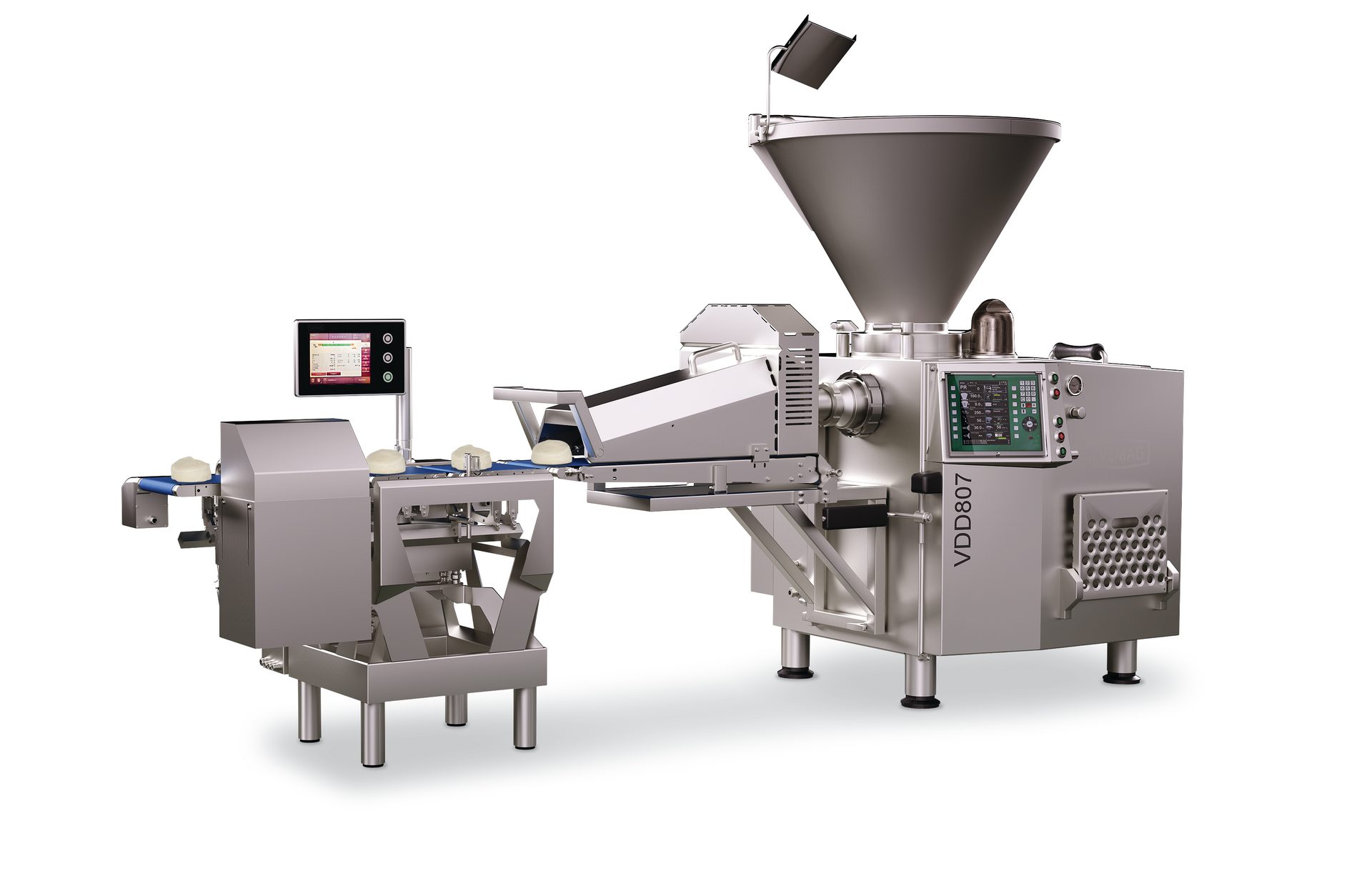
For Vemag systems, Zeak specifies, customers are looking for multi-product capability on one platform, faster changeovers, inline weight verification, and feedback loops and automation of pan and tray loading, with a growing interest in test centers and co-development. Product trends driving these desires include inclusions, deposited and extruded hybrids, and clean-label formulations, he shares.
Regarding the Holac brand, Zeak and his colleagues hear the most about the increased need for versatility across SKUs, tighter particle size tolerances, and improved sanitary design with minimal or tool-free disassembly, along with a higher demand for integration into continuous process lines rather than batch process, standalone machines. Cheese applications, meat- and plant-based inclusions, and premium products are helping to drive these demands, he states.
Seydelmann customers want greater food safety and hygienic design, multifunctional equipment to reduce their footprint, and closed-system processing, Zeak notes. These trends are prompted by clean-label, preservative-free, high-protein and emulsified products, and ready-to-eat and refrigerated SKUs, he believes.
Lastly, Zeak says the DJM brand receives the most requests about focus on yield improvement, consistency across lanes, and integration with automated loading and packaging, asks that are driven by formed snack items, alternative proteins that require gentleness, and premium products that have a “handmade appearance” but can be produced at scale.
Questions to ask
Customers in the market for new or improved cutting, slicing, and portioning systems should ask about versatility, throughput, the array of solutions available, and the ease of finding technical support and spare parts, according to manufacturers.
Phillips of LeMatic recommends asking about basic parameters like the voltage needed and space required for setup, as well as determining how quickly operators will be able to learn to use the equipment. “And then probably the key note is, ‘How versatile can I make this? What’s the narrowest bun, the widest, the tallest, the shortest, the longest I can run?’” he asks.
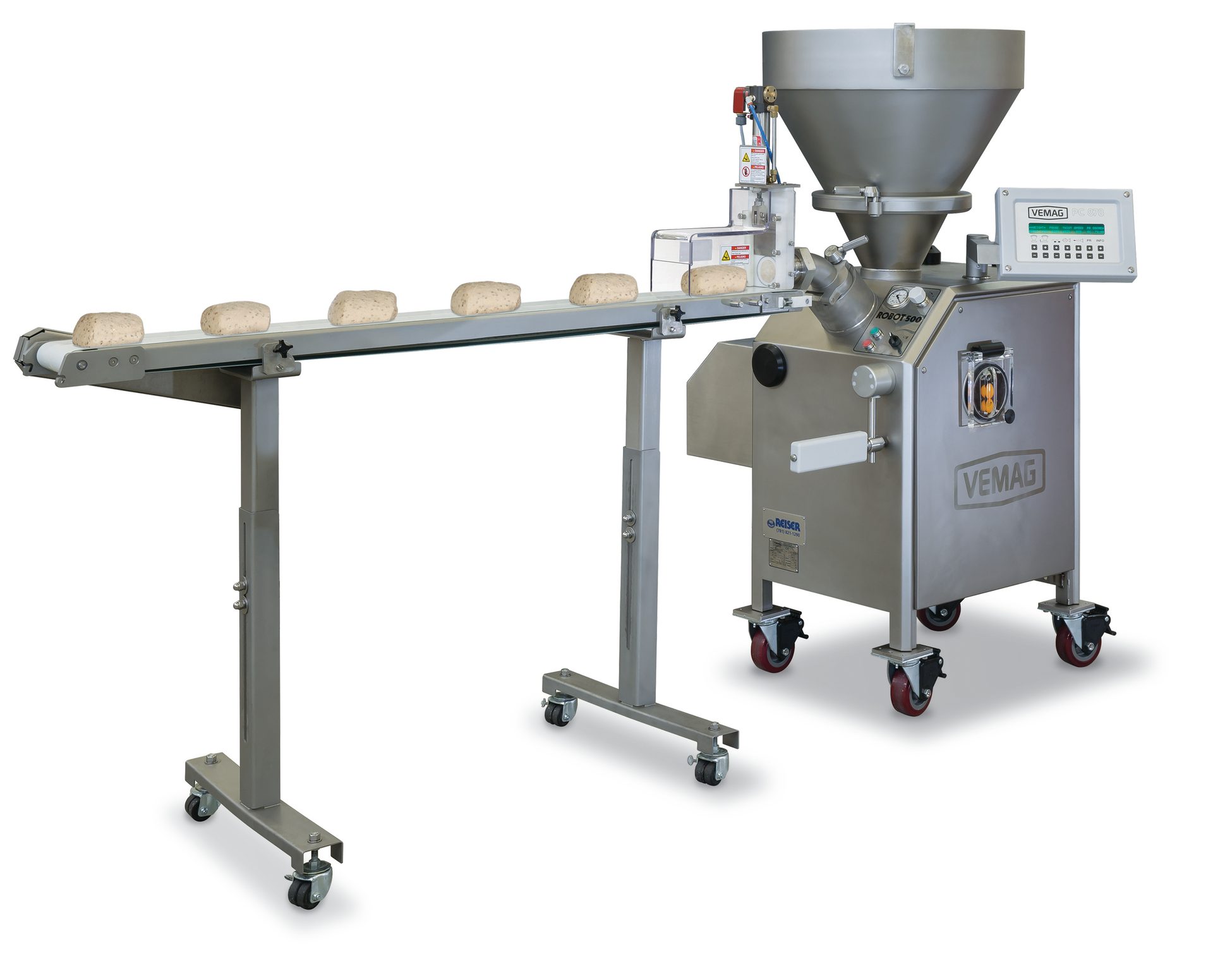
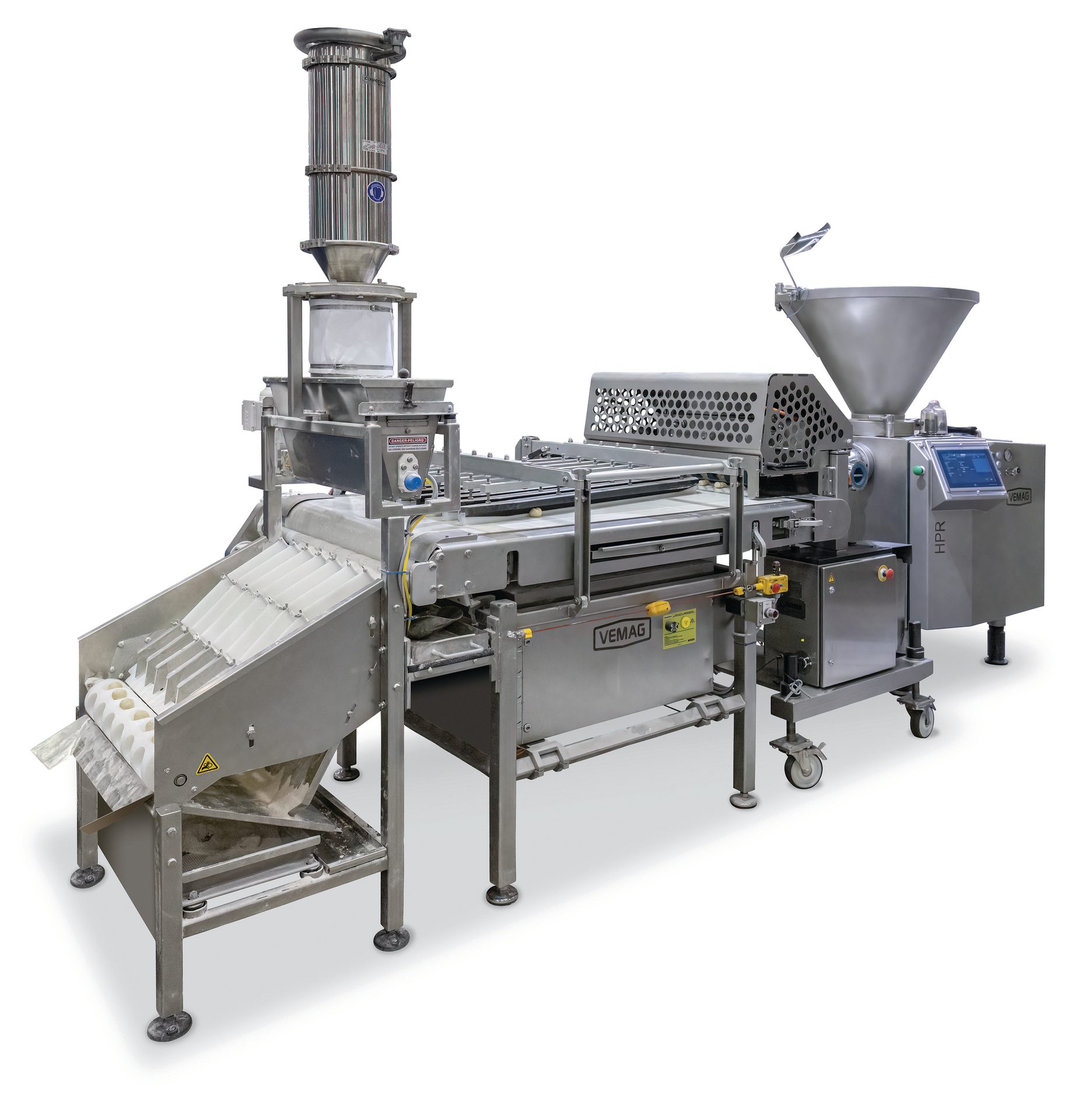
Courtesy of Reiser
Potential customers should ask about a machine’s throughput so they can figure out what their return-on-investment is going to look like, according Caballero of FoodTools.
“They want to see what the return is,” he states. “And people are very interested in knowing where their equipment is made, partially because they want to know if they’re having to pay tariffs. Those conversations haven’t gone away yet.”
Adams of Grote says snack and bakery firms should find out if a manufacturer provides a one-stop-shop solution, or at least close to it.
“What else can you do for my process? I need a slicer, but I have other needs,” he imagines. “Can one company do that, or do I need to go to 10 different companies? Going back to versatility, do you have one thing that can do a lot of things really well, vs. 10 machines that are perfect?”
Other key interrelated issues include longevity and support, Adams notes.
“How long can I expect to run this machine?” he asks “What does support look like? Is it from you, the OEM, or somebody else? I think companies should be asking more about, ‘This isn’t a product yet, but it’s something we’re thinking about. Can this machine help with that?’”
Snack and bakery companies should keep in mind that each purchase is a long-term capital investment that should lead to less downtime and increased cost efficiencies in labor and parts over time, says Klockow of Urschel.
“Customers should focus on long-term viability, not just on initial machine cost,” he points out. “Capital equipment, the parts, and replacement parts over time should be the emphasis. Consider availability of parts for future orders. Think about what flexibility a process might have if they may want to swap out to other cuts or shapes.”
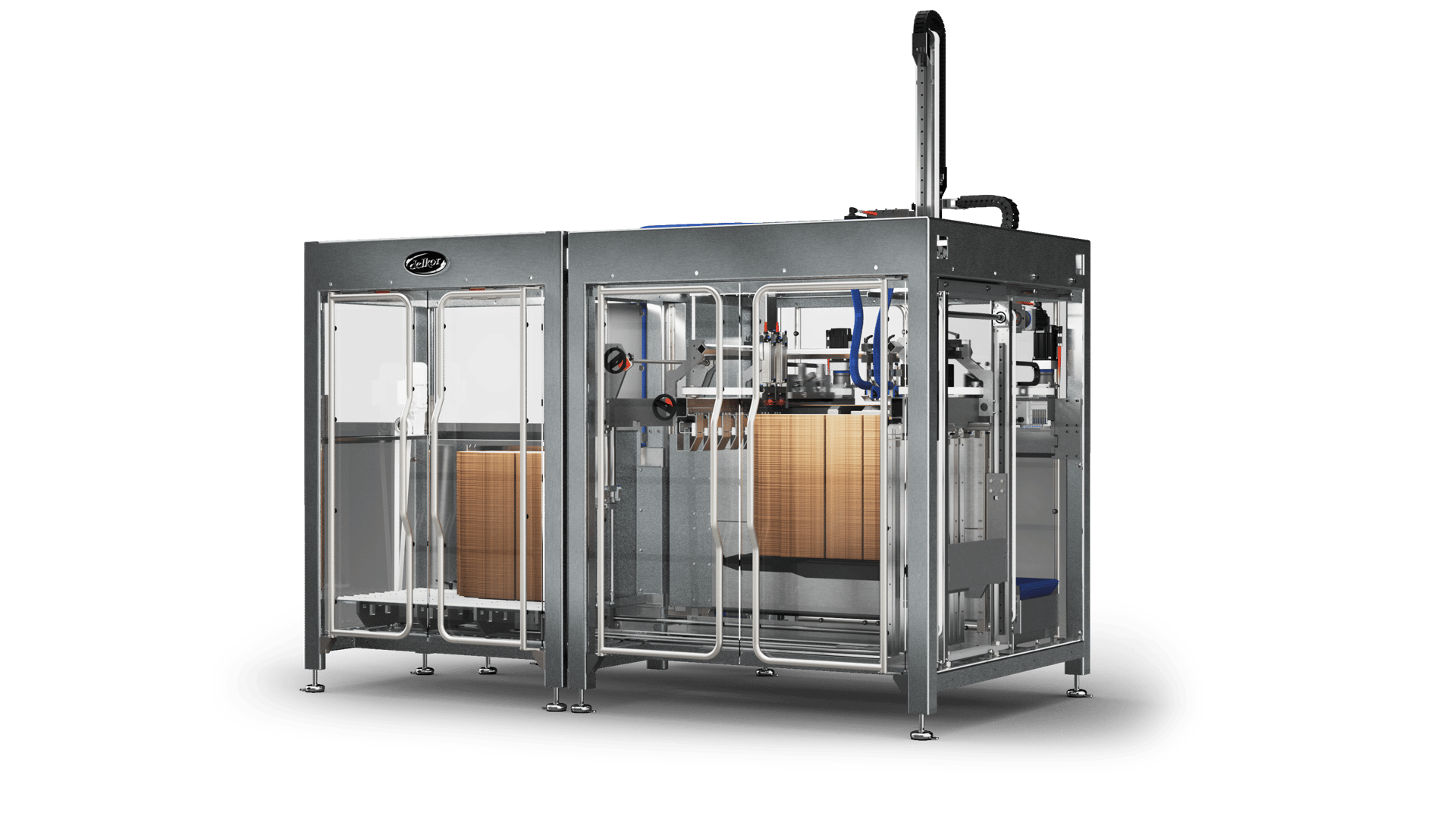
Courtesy of Delkor Systems
Delkor Systems plans to introduce a new generation of Combo-line Bread Case Packers designed as an all-in-one solution for single-use shippers and reusable trays in 2025. “Producers can switch between corrugated (one way) shippers and bread tray formats in the same machine,” says Dale Andersen, president and CEO. “Retailers are moving away from direct store distribution (DSD) trays and into corrugated cases due to the challenges and costs involved.”
Delkor Systems recently introduced Smart-Lock, which streamlines packaging size adjustments using a linear bearing slide, LED-based feedback and an automatic locking system. It reportedly eliminates the need for rotary counters, allowing precise, manual adjustments with minimal effort. “It is three times faster, more accurate and designed to virtually eliminate operator errors,” Andersen notes.
“Taking the complexity out of stuff for businesses that can’t pay for the automation is key—you just press a button.”
— Tanner Adams, aftermarket operations leader, Grote Co.