

Grains
INGREDIENTS
The BOTTOM LINE
- High-fiber content is increasingly high on the list of consumer desires
- Shoppers want good health but won’t compromise on taste
- Suppliers that know their ingredients can be invaluable partners
Grains in the groove
The right ingredients can engage consumers looking for high fiber, clean labels, and great taste.
Jenni Spinner, Chief Editor
Grain-based foods are still on consumers’ shopping lists, but the precise things they want in their baked goods and snacks are constantly changing. It’s up to producers and trusted supplier partners to know what people are looking for in their breads, rolls, bagels, snacks, and other products, and what’s possible with the versatile, healthful ingredients.
Courtesy of Ardent Mills
Trends to talk about
Producers are noticing that grains are an ingredient consumers are increasingly focused on—some of the trends (current, and ones to watch) include:
- The whole truth: Consumers have been gravitating toward foods that contain the whole kernel, thanks to the perception that the entire tidbit delivers the full gamut of health benefits the whole grain offers, versus its separate components.
- Ancient aims: A population that might have wondered what the heck quinoa, farro, amaranth, or other ancient grains are and avoided products with them on the label now are increasingly likely to purchase baked goods and snacks containing them.
- Fibermaxxing: While maybe not quite as loud in the health conversation as protein, consumers of all ages are interested in upping their intake, and grain-based foods provide a handy way to accomplish that goal.
- Sustainable sourcing: Products that are more planet-friendly—whether the crop consumes less water, uses less fertilizer and pesticide, etc.—draw shoppers who are interested in more eco-friendly food purchases.
- Gluten goals: While the interest in cutting out gluten in one’s daily diet has not tolled a death knell for the grain-based food industry (far from it), many consumers still seek out GF breads, while still expecting great taste and texture.
Courtesy of Ardent Mills
Image courtesy of Taura by IFF
Courtesy of Corbion
Consumer concerns
Like bakery and snack producers, suppliers aim to keep their finger on the pulse of what consumers want in their food buys. Ardent Mills, in its Trend to Table research, looks at such trends. According to Lindsey Morgan, the company’s senior director of product innovation, there’s no question consumers want grain-based foods; the question is what they expect those foods to deliver in order to give a satisfying return for calories, cost, and label space.
“One of the most consistent findings in our proprietary research is that U.S. adults now participate in nearly eight wellness and lifestyle driven eating behaviors at the same time—that number is even higher among younger consumers and GLP-1 users,” she shares. “For snack and bakery products, this means buyers are not choosing between taste or nutrition or affordability. They expect all three to coexist.”
Brook Carson, VP of R&D for Manildra, notes, “Bakery products offer a compelling platform as they are familiar, convenient, shelf-stable, and consumed across multiple day parts. This makes them an ideal vehicle for meaningful nutritional upgrades that support more intentional food choices.”
Carson adds, “We see three primary areas of focus driving innovation: protein fortification, overall carbohydrate reduction, and the strategic combination of protein and fiber. The latter is especially relevant as consumers look for solutions that support society and align with lower calorie eating patterns”
Jennifer Tesch, chief marketing officer for Healthy Food Ingredients, sees similar wants: “Consumers are looking for functional, whole grains that support trends and label claims including gluten-free, high-fiber, clean-label, GLP-1-friendly, healthy fats, and plant-based proteins,” she says. “Conversely, they look to avoid ingredients that are considered ‘singularly functional,’ that don’t contribute to the finished product in multiple ways—not necessarily specific avoidance of certain grains but rather seeking out better-for-you innovation for functional grains that provide the greatest value.”


Courtesy of Manildra
With consumers increasingly leery of foods perceived as ultraprocessed, Briess Malt & Ingredients’ Technical Specialist Kirana Noe advises, “Whole grains are in a unique position and becoming even more relevant because they add health benefits and premiumization to products. In addition to benefits such as fiber and gut health, a cracker or bagel with visible whole grains brings a wellness halo and a sense of getting better value. In other words, whole grains make a product appear more like it was made in a kitchen rather than in a factory.”
Americans’ expectations on grain-filled foods, Morgan says, are centered around things like function, prioritizing texture and sensory performance, familiar qualities combined with healthful attributes, and making their food choices and costs count.
“For snack and wholesale bakery producers, the implication is clear: grains that can support benefit stacking—taste, structure, nutrient density, and value in a single system—are best positioned to win in today’s environment,” Morgan concludes.
Challenges to consider
Morgan says food producers have a number of obstacles to simultaneously overcome when making grain-based foods—keeping up with ever-shifting demands, delivering acceptable shelf life, dealing with sourcing reliability, managing cost, and facing often tight timelines.
“Another challenge is operational consistency,” she states. “Introducing new grains or pulses can affect hydration, machinability, and texture, especially in high through-put snack and bakery environments. Small formulation changes can have outsized impacts on line efficiency or finished product quality, which is why predictability and scalability matters as much as innovation.”
Noe says with overly processed ingredients appealing less and less to consumers, grain ingredients can fit the bill.
“Food scientists want ingredients that are easily incorporated into a formulation and deliver batch-to-batch consistency,” she notes. “That includes grains and other inputs that have been minimally processed.”
With supply chain issues and other matters complicating the market, Shawn Kohlmeier (Briess’s director of sales for food) says that impacts producer choices.
“In the current environment, raw material sourcing has been complicated by tariffs, pricing fluctuations, shortages, and other supply chain difficulties,” he observes. “Brands are shifting toward ingredients that are made in America and offering stable year-round pricing.”
Courtesy of Briess
Suggested solutions
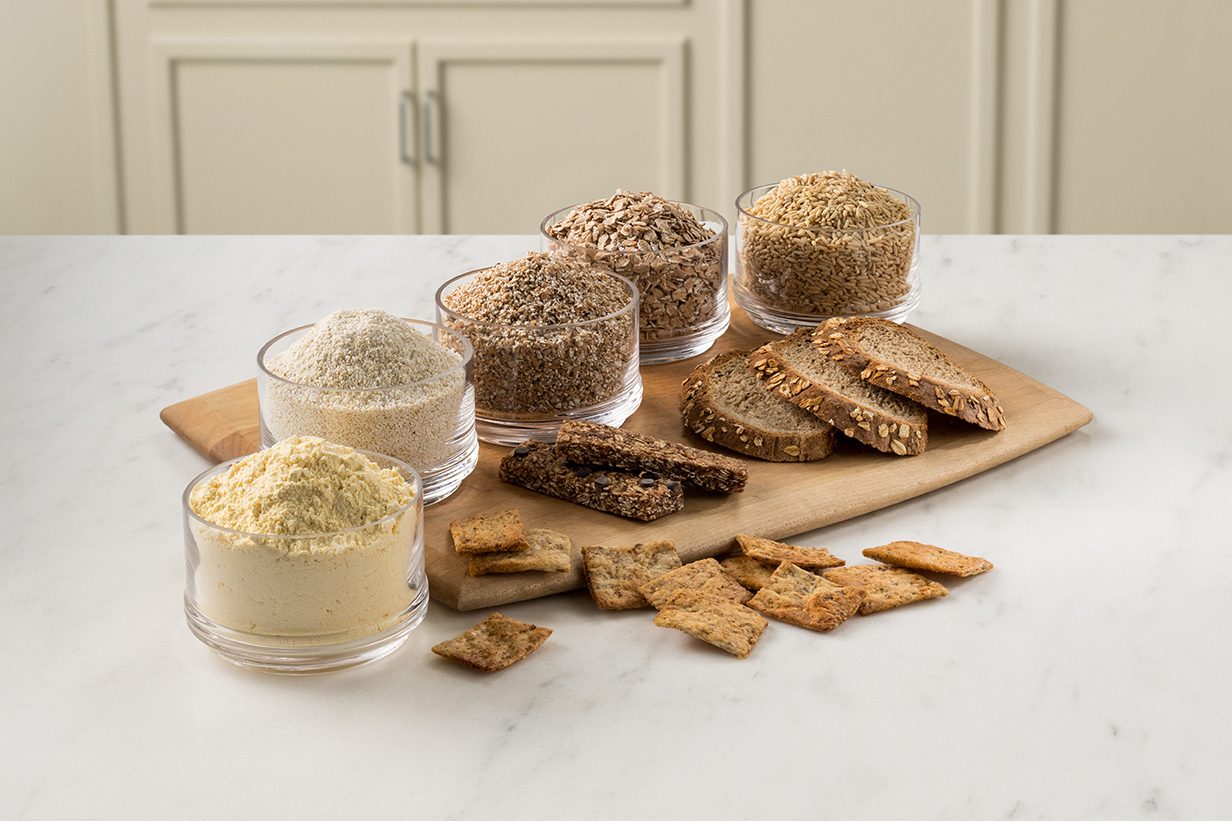
Ardent Mills offers a range of solutions for producers to consider when crafting new products or tweaking existing items, including:
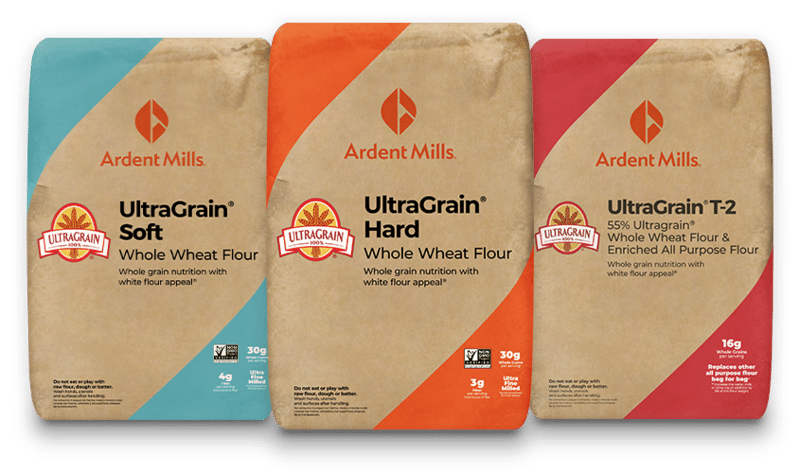
- Ultragrain whole-grain wheat flour, suitable for bread, buns, tortillas, rolls, and other baked goods
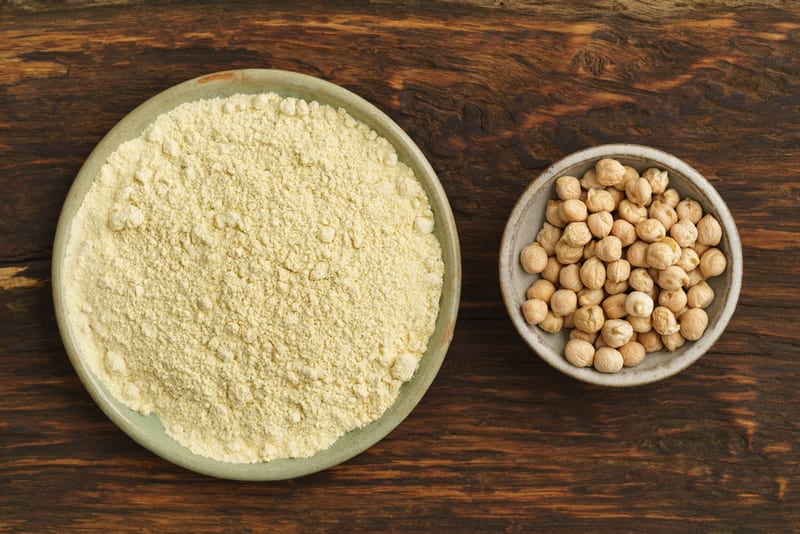
- Chickpea flour, reportedly ideal for crackers, snack chips, and baked snacks where protein and fiber content are a priority
- Alternative grain and pulse flours (including buckwheat, millet, and sorghum) which can be used in gluten-free and multigrain products
Courtesy of Briess
“We focus on ingredient solutions that help producers deliver nutrition, functionality, and value while maintaining consistency and scale,” Morgan notes, “from whole‑grain solutions and pulse flours to functional ingredients that provide flexibility amid cost and supply volatility.”
Briess ingredients for grain-based food formulations include:
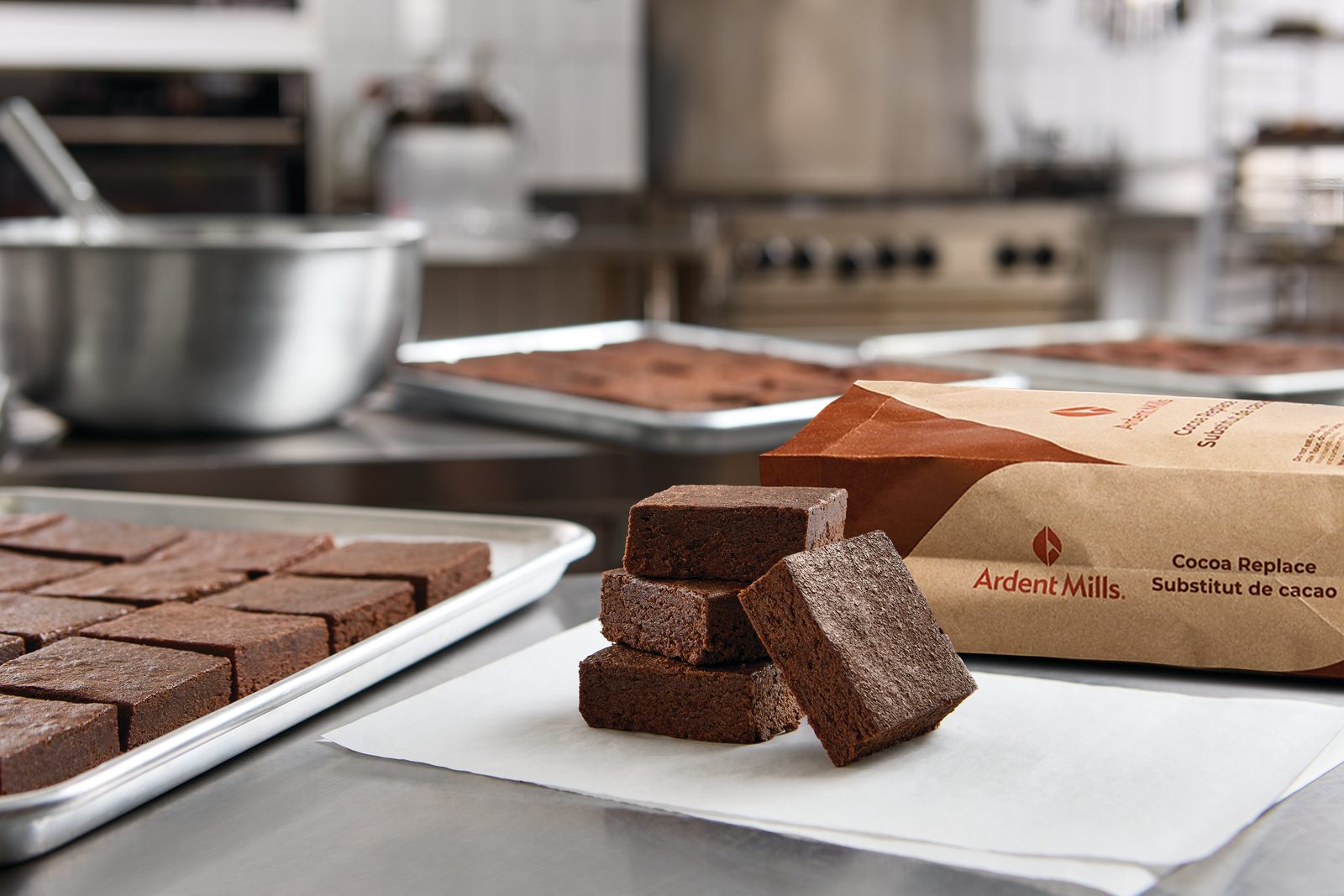
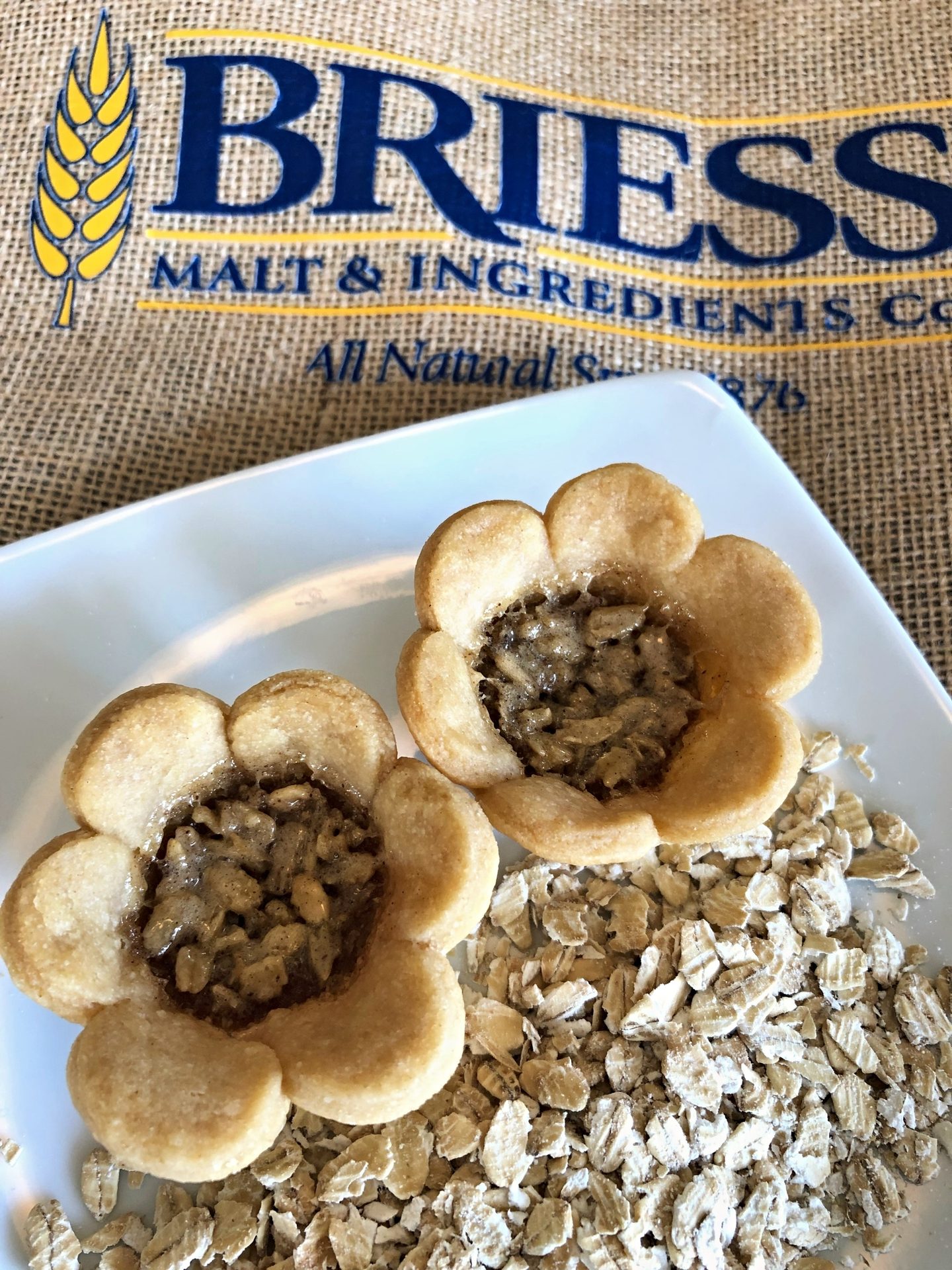
- BriesSpecialty malted barley flour, reportedly suited for starting or replacement for cocoa or caramel color in brownies, cookies, cakes, doughnuts, and extruded cereal pieces
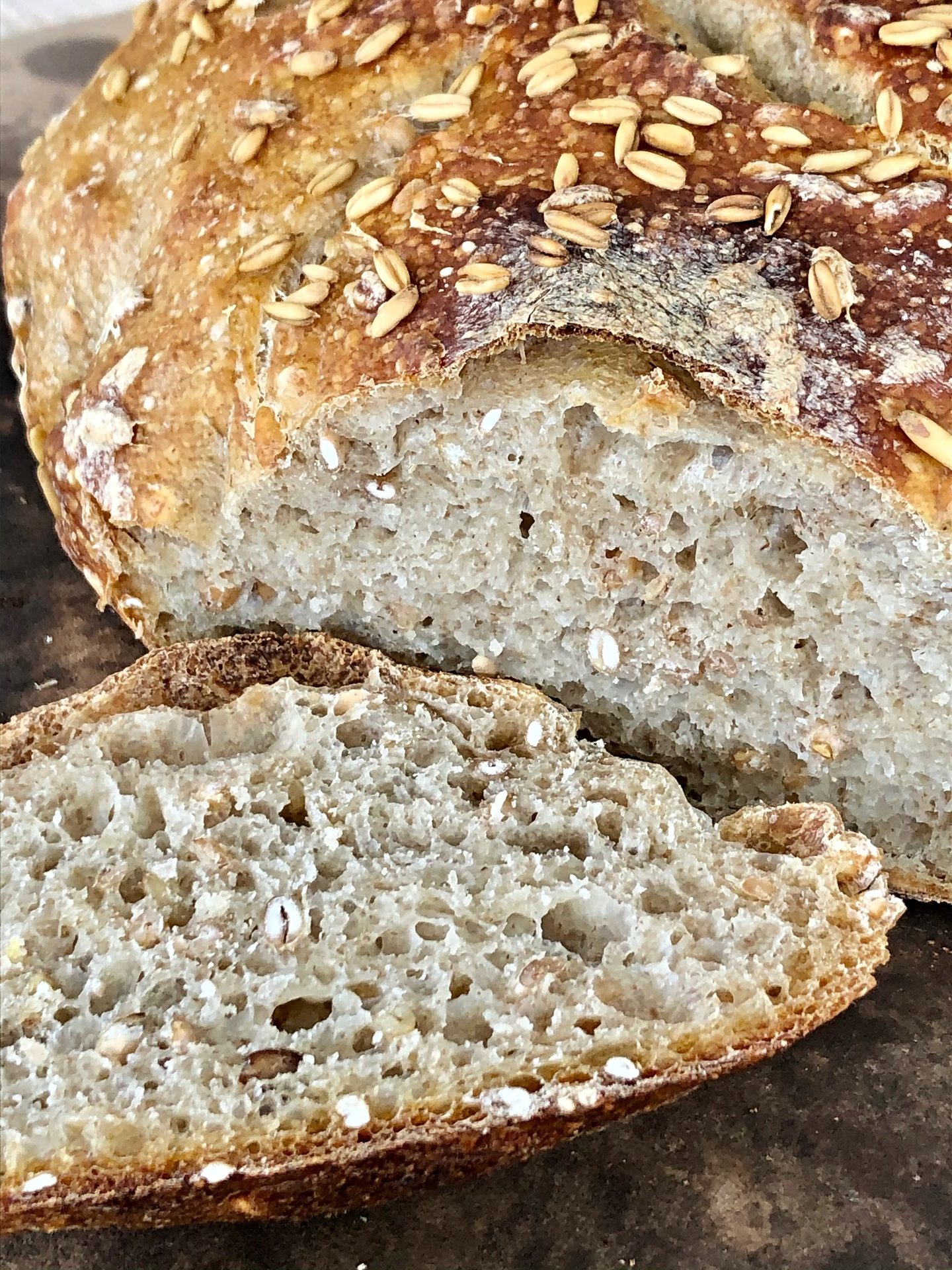
- Insta Grains pre-cooked ingredients, designed to serve as a value-added ingredient to provide visual integrity and textural impact to bread, crackers, flatbreads, and other baked items.
Courtesy of Briess
“Malted Barley Flour offers all natural, whole-grain label appeal, consistent color control, smooth cocoa/roasted flavor notes to complement [and] extend cocoa, and stable supply and pricing year-round. [The ingredients] are moisture absorbing, so it may be necessary to add some water,” Noe shares. “They might not be one-for-one replacements but are widely used and don’t add any significant processing challenges. Malted Barley Flour may already be on the label because of the utility flour, eliminating the need for a label change.”
Healthy Food Ingredients solutions includes the ancient grains Americans are reaching for.
“We offer a wide portfolio of ancient grains including flax, buckwheat, amaranth, quinoa, chia, sorghum and millet,” Tesch says. “Ancient grains are multi-purpose, functional ingredients as they support trends and label claims including gluten-free, high fiber, clean label, GLP-1 friendly, healthy fats, and plant-based proteins.”
Carson shared three potential ingredients for grain-based foods:
- FiberGem resistant wheat starch, which provides 90% dietary fiber and is suited for added fiber or low-carb baking.
- GemPro Wheat Proteins, which provide multiple functional benefits and support various product categories
- GemPro Max, a wheat protein specific to supporting emulsification that is suited for various categories, including breads, tortillas and sweet goods.
“Whole grains are in a unique position and becoming even more relevant because they add health benefits and premiumization to products.”
— Kirana Noe, technical specialist, Briess Malt & Ingredients

Last thoughts
Tesch advises for increased chances of grain success, producers should connect with knowledgeable suppliers that know their grain ingredients inside and out.
“For example, we might have a customer looking for a gluten-free ancient grain flour blend to use in a bread application,” she says. “We can work with them to find the right type of flour based on the finished product and the desired attributes.”
Carson concurs that smart suppliers can help products hit the right notes: “Today’s evolving consumer preferences are highly achievable with the right formulation approach. Success often comes down to rethinking how ingredients are applied and leveraging them in a more optimized functional way. Ingredients suppliers can play a key role in enabling this shift.”
“Consumers are looking for healthier fats, such as those from coconut oil, olive oil, and avocado oil.”
— Jackie Steffey, senior customer innovation manager, AAK