
Inspection and detection
Tech & Techniques
The BOTTOM LINE
- Inspection equipment that is easy to keep clean is a top priority
- Customers of such suppliers are keenly concerned with what retailers want
- Technology that is flexible and able to adapt to future requirements is important
Inspection efficiency
Ease of cleaning, refined features, and waste reduction are among the most wanted qualities in detection technology for snack and bakery environments.
Ed Finkel, Contributing Writer
Efficiency, cleanability, waste reduction, ease of use and maintenance, and compliance with retail specs are high-priority concerns for bakery and snack producers shopping for inspection and detection technology. Also ranking high is the ability to track leaks and more refined detection of ever-smaller contaminants, when professionals are looking to purchase new or improved inspection and detection systems.

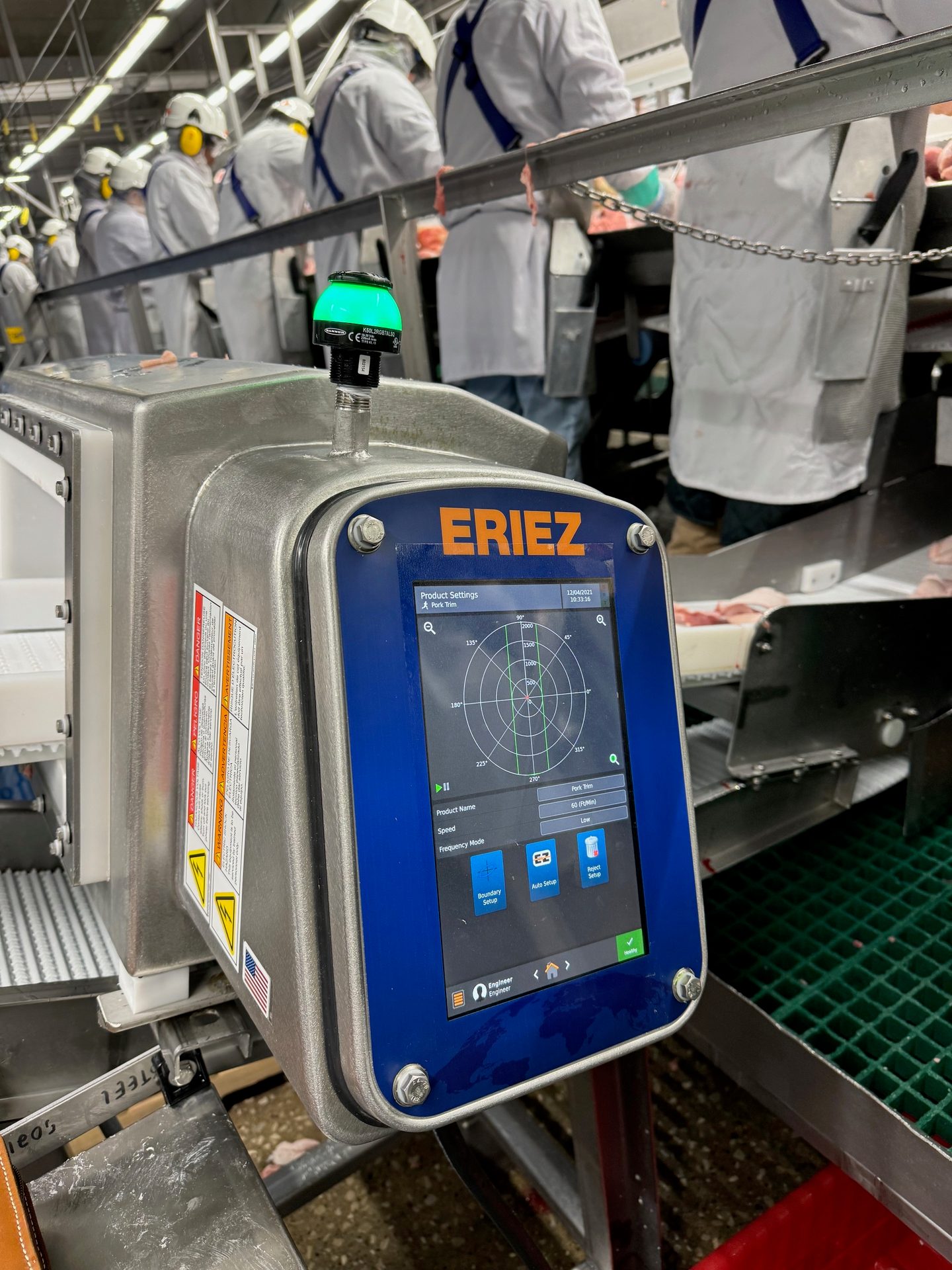
Courtesy of Eriez
Shopping lists
Customers of Eriez are asking about systems’ compliance with what large-scale retailers want to see, says Craig Lorei, global market manager, light industry.
“That’s been driving a lot of our decisions, making sure that machines are capable of recording the right information, and future-proofing them,” he states. “We want to make sure that if a couple years from now, if there’s additional information [required], we’re building on a platform we can easily adapt, without having to require customers to purchase new machines.”
Lorei also has been hearing more questions about protocols and tying into networks, and he shares that the company’s global R&D team is constantly working to keep up with these requests: “Our customers are asking for the same things, trying to harness AI within their plants and machine learning techniques to learn more about what’s going on in their process. That starts with data.”
Another trend has been customers going beyond foreign contaminant inspection to want their systems to catch mold, rottenness, or items missing from a package, Lorei observes.
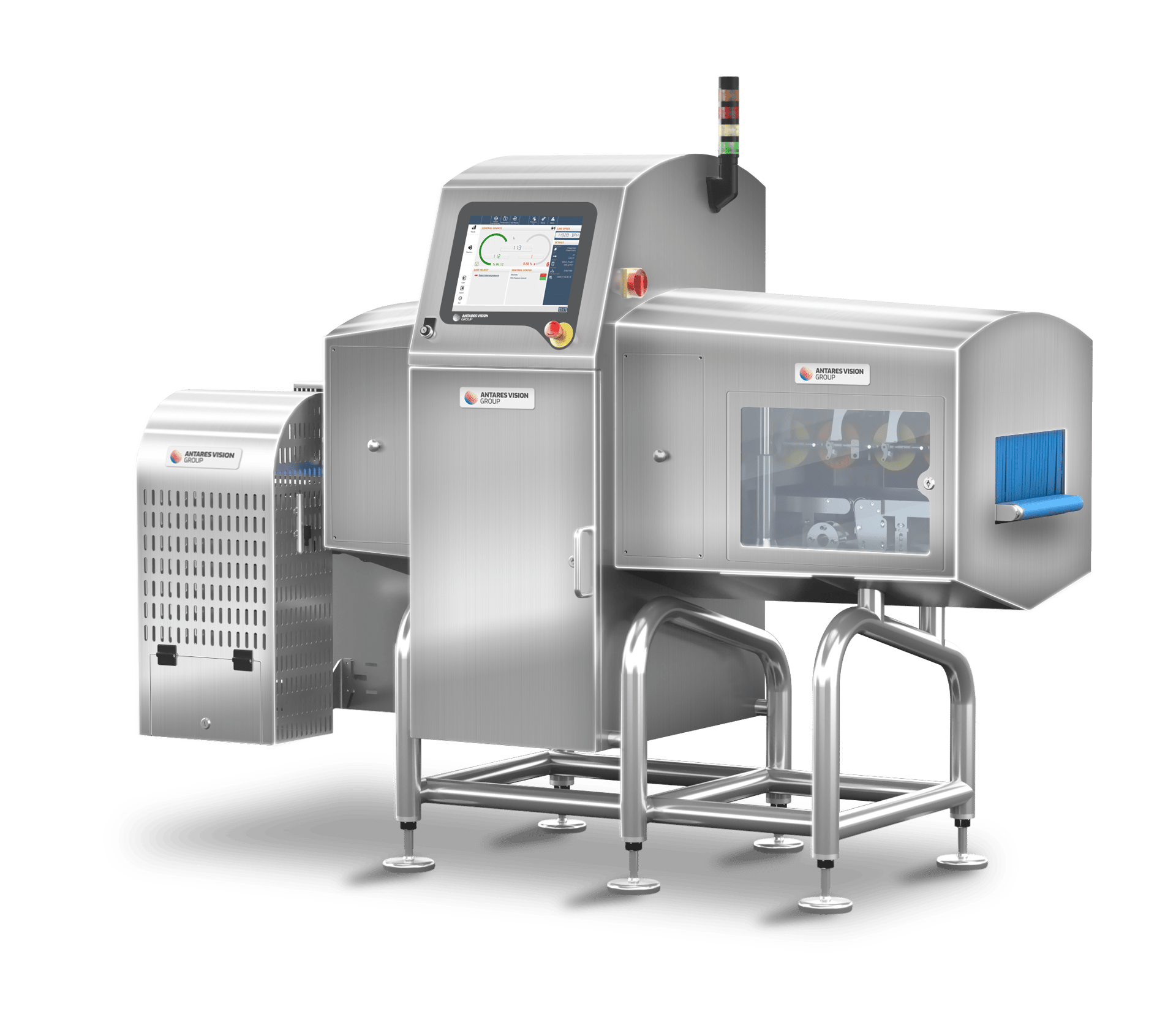
Courtesy of Antares Vision
“We’re doing more with X-ray technology,” he adds. “It’s an added benefit where you can get more from the machine … while still getting extremely sensitive metal pieces, and things beyond metal that a metal detector can’t pick up, like calcified bone or dense plastics.”
Antares Vision has experienced greater demand for label inspection, ensuring that the right label is on the right product and also that labels are readable, including for their expiration data, according to Paolo Tondello, key account manager, sales. Another significant trend has been the need for inspection and detection systems to track leaks, “driven at the moment by the big retailers that are looking for their suppliers to be more reliable, and to have less wasted product, due to leaks that reduce the shelf life of the product,” he opines.
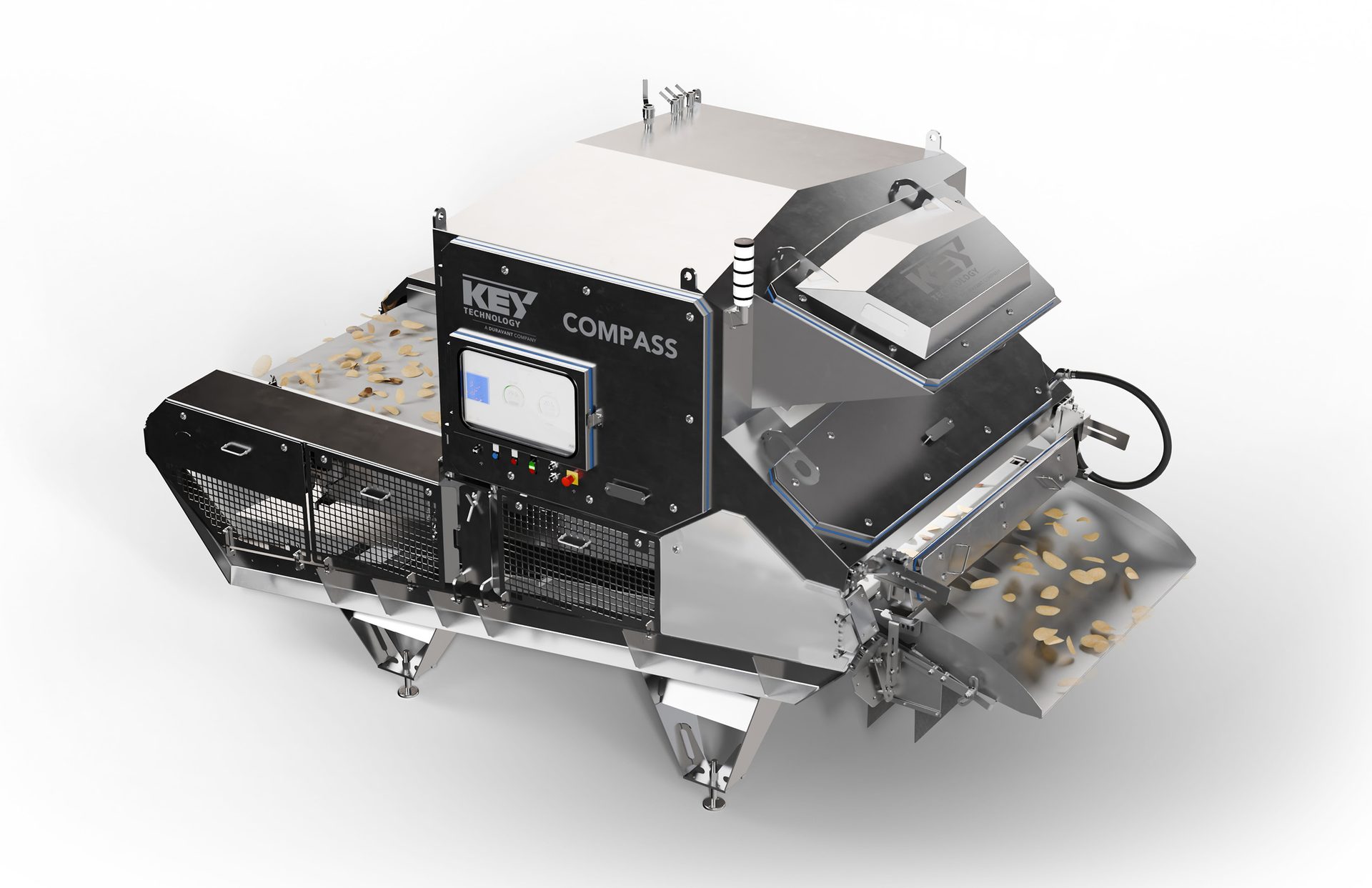
Courtesy of Key Technology
Thirdly, and more in the beginning stages, is an emphasis on serialization, which is mandatory in pharmaceuticals and has become more of a hot topic in food and beverage, Tondello states. This means giving each package a unique code and linking all the information about it so that it can be tracked—both backward to the packaging process and inspection number of the machine in question, and then downstream to when it arrives on a pallet and where, he remarks.
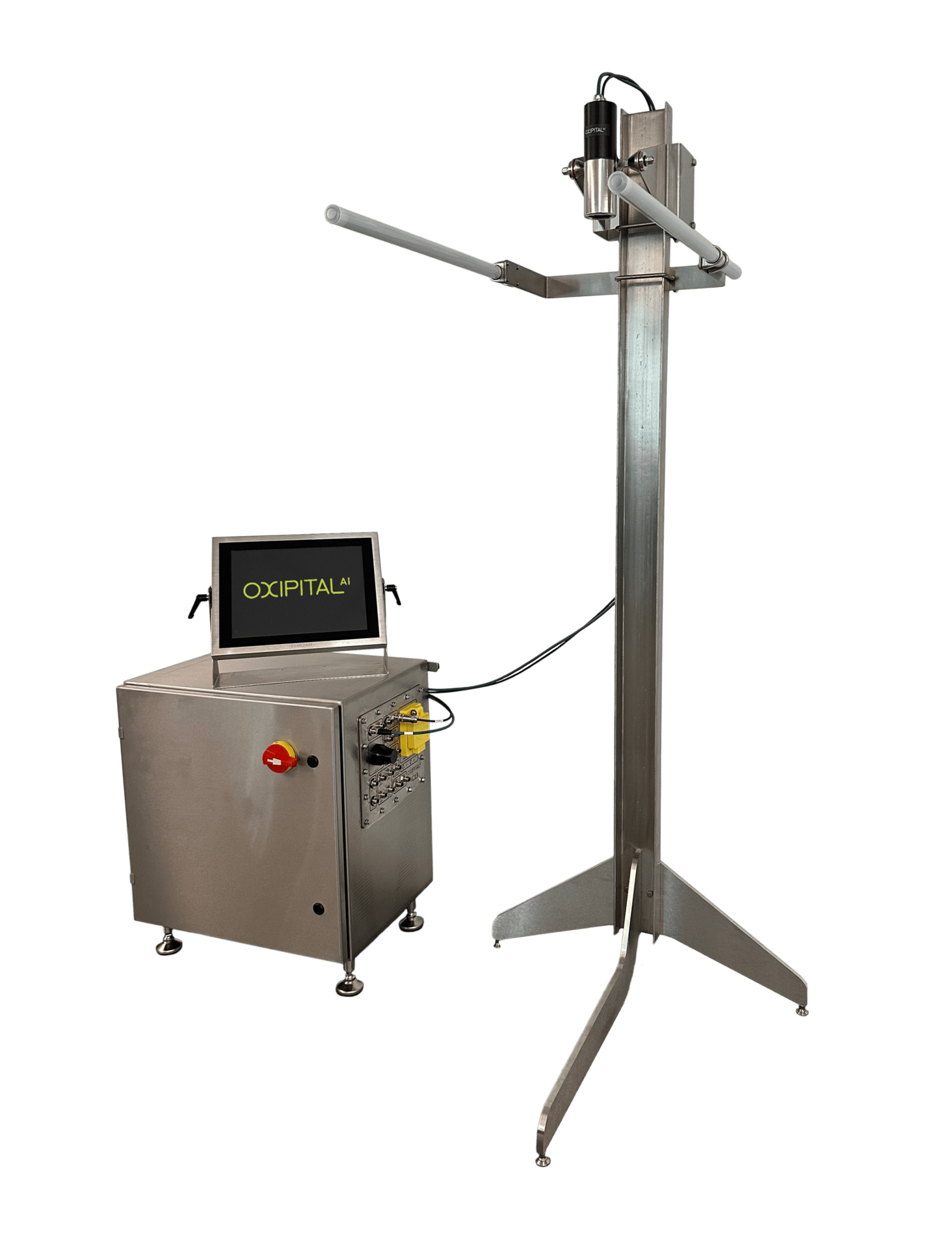
Courtesy of Oxipital AI
Gina Bonini, president of Key Technology, says her company hears most often about ease of use, which the company’s Compass software architecture is designed to address, as well as easy maintenance so that the factory can keep running.
“Because inherently, when operating in food processing, there’s maintenance that has to occur—changing our belts because of discoloration over time, or oil and seasoning on the product,” Bonini comments. “When you have to bring the machine down to do maintenance, it has to be fast.”
Customers of Oxipital AI want a one-stop solution for inspection and detection, which the company offers, says Austin Harvey, vice president of product and marketing.
“That’s valuable when you start talking about end users in the food space,” he declares. “There’s options out there for cameras, and there’s options out there for analytic software, but they have to go to multiple vendors. What we’ve tried to do is be a turnkey solution.”
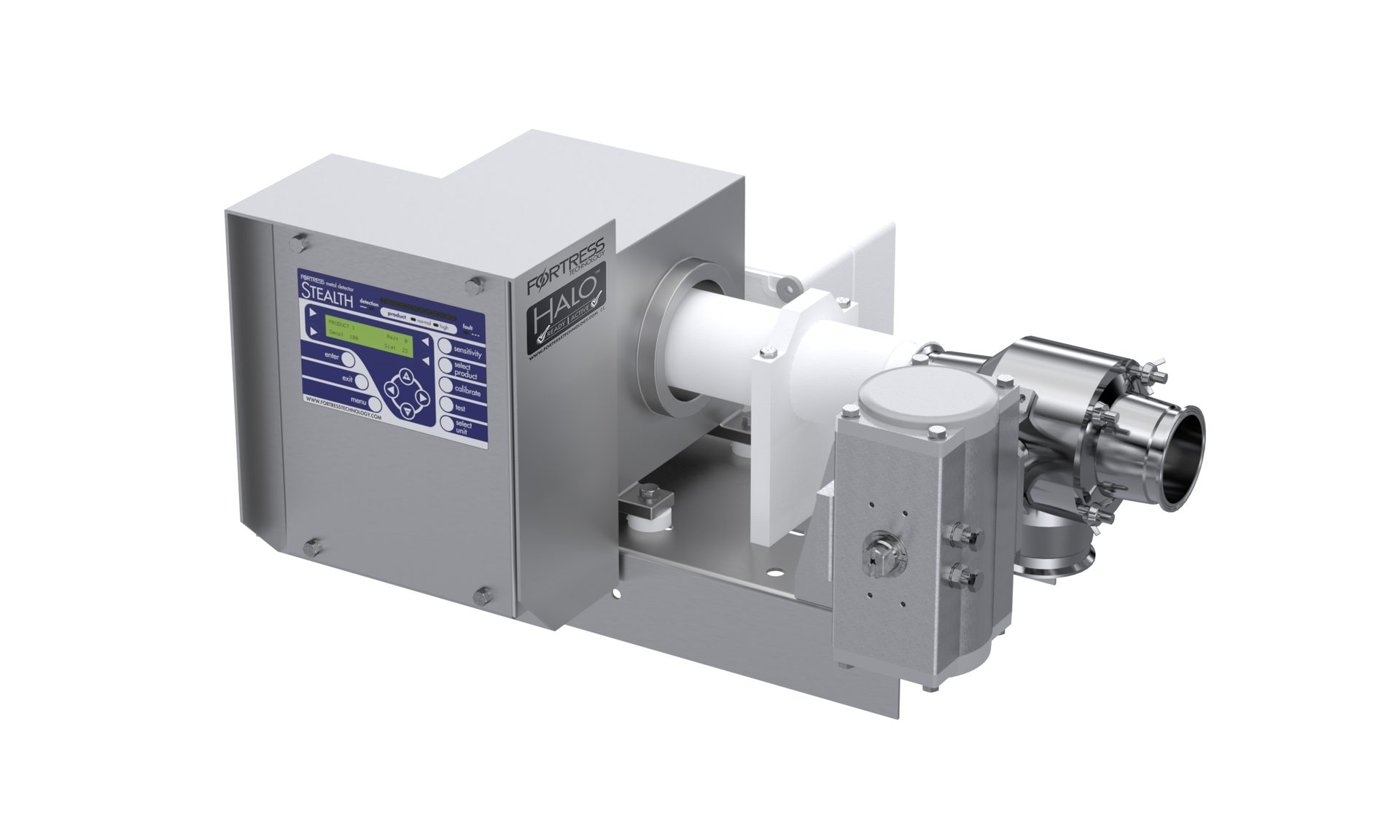
Courtesy of Fortress Technology
For customers that approach Fortress Technology, a top desire is metal detectors that increase efficiency because they’re finely calibrated to hold down the number of false rejects, according to Eric Garr, regional sales manager. In addition, customers want to be “able to pull records out of the system and collect all that data,” he says. “That’s definitely one thing we’ve seen increase in popularity.”
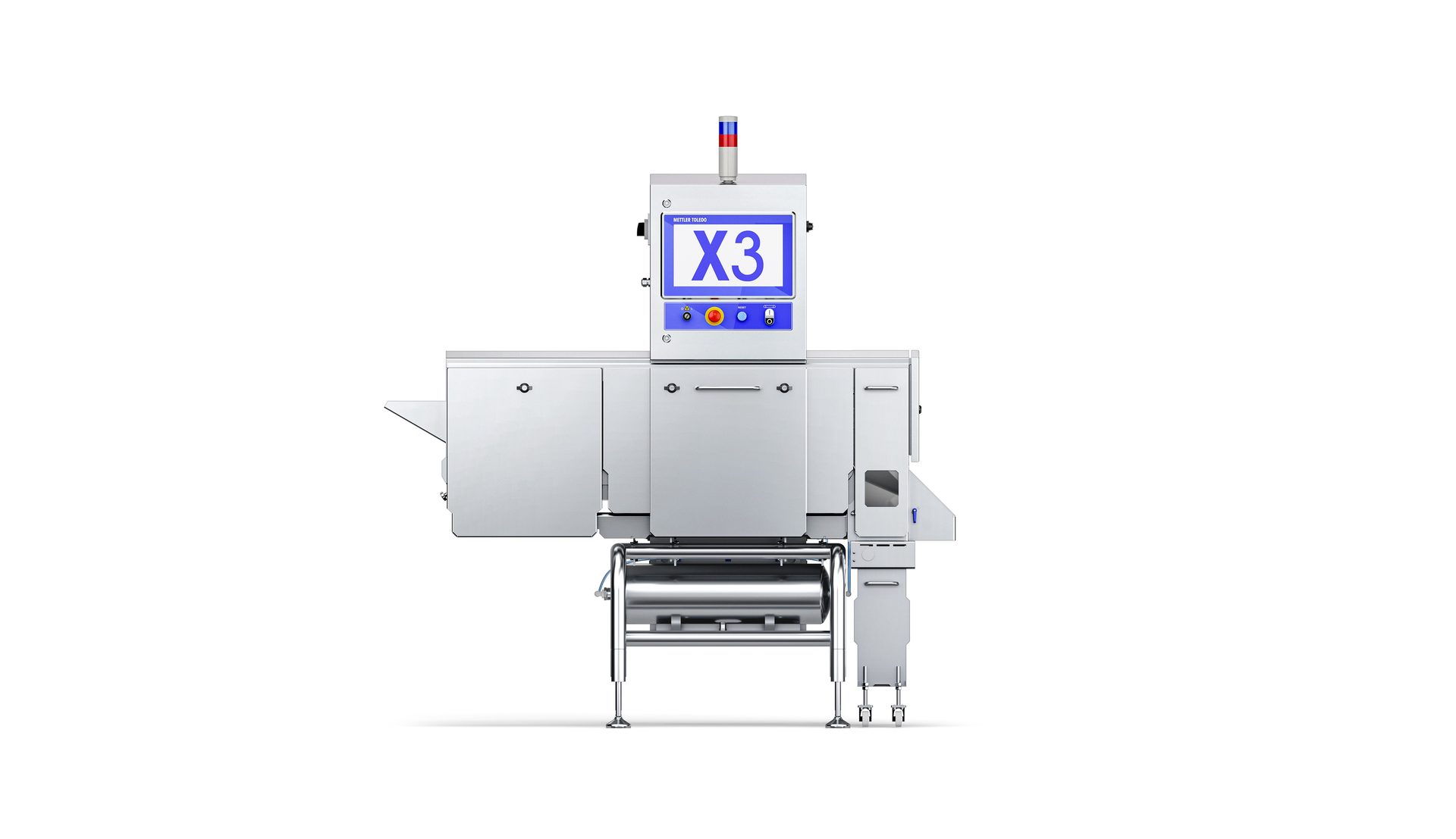
Courtesy of Mettler Toledo
Thomas Koshy, sales director at Mettler Toledo, shares that system cleanability is an important factor, in terms of how easily the machinery can be disassembled and then put back together. And he agrees with Garr that data packages are top of mind. “What type of information can a customer get off of that piece of equipment, and how can they pull that information out into systems where they can make sense of it—[and] make business decisions based on what they’re seeing?” he asks.
Customers are also looking to inspection systems to reduce waste and improve productivity, Koshy believes, at a time when ingredients and other material costs have drastically increased. “We’re seeing that margin compression occurring,” he shares. And then there’s simplifying changeovers, given the increase in the number of both package formats and different recipes or formulations being run on the same line. “How easy is it to change from one product to another?”
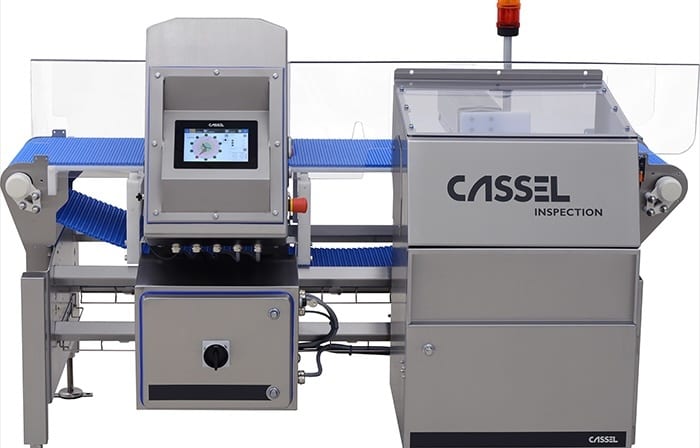
Courtesy of Cassel Inspection
Gianfranco Rubini, commercial leader at EMEA for Cassel Inspection, says that customers of X-ray inspection systems are prioritizing detection of low-density contaminants with higher throughput and production speeds, a balance that traditional X-ray technology struggles to strike. With metal detection, he adds, “There is a growing demand for multi-frequency technology that improves detection of smaller metal particles, particularly in high-conductivity products and stainless steel contaminants. Customers are also placing greater emphasis on sensor stability and reducing false rejects.”
Some of this has been driven due to the greater commonality of metallized films because of a desire for more visually appealing packages combined with the desire to extend shelf life and protect products from light exposure, Rubini shares.
Questions to ask
What should customers be asking manufacturers of inspection and detection systems? Lorei of Eriez suggests querying your potential supplier in detail to get the right piece of equipment for your needs, vetting machines to understand their capabilities and limitations.
“Sometimes, people think that X-ray is the ultimate answer, but it’s not always, from a metal detection standpoint,” he states. “But what you’re trying to achieve might not be possible with that metal detector, depending on the product you’re inspecting and environmental issues at the plant.”
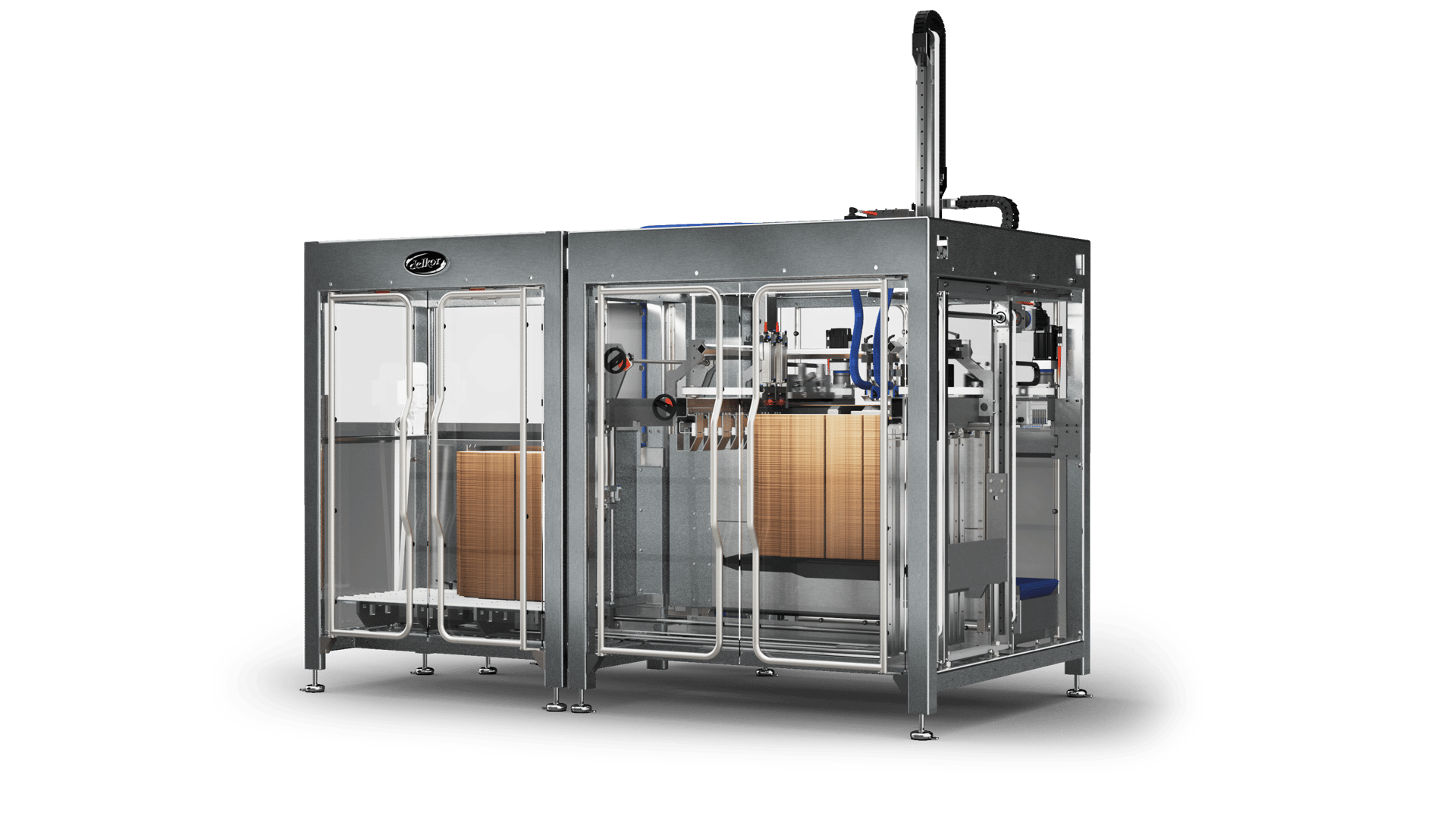
Courtesy of Delkor Systems
Delkor Systems plans to introduce a new generation of Combo-line Bread Case Packers designed as an all-in-one solution for single-use shippers and reusable trays in 2025. “Producers can switch between corrugated (one way) shippers and bread tray formats in the same machine,” says Dale Andersen, president and CEO. “Retailers are moving away from direct store distribution (DSD) trays and into corrugated cases due to the challenges and costs involved.”
Delkor Systems recently introduced Smart-Lock, which streamlines packaging size adjustments using a linear bearing slide, LED-based feedback and an automatic locking system. It reportedly eliminates the need for rotary counters, allowing precise, manual adjustments with minimal effort. “It is three times faster, more accurate and designed to virtually eliminate operator errors,” Andersen notes.
“Customers are placing greater emphasis on sensor stability and reducing false rejects.”
— Gianfranco Rubini, commercial leader at EMEA, Cassel Inspection

Tondello of Antares notes customers should determine whether a supplier can provide not only a wide range of technology but also has been developing new technology that adapts to trends and challenges. For example, his company formulated inline leak detection for customers with new materials who faced leak issues, which “allows them to produce even if the process is not working perfectly,” he notes. “Without this technology, they couldn’t afford to start production because the process would not be 100% under control.”
Customers need to ensure that sorters are giving them the performance they need for their type of product, based on the percentage of defects detected that they might be concerned about, like undercooked spots on a potato chip, says Bonini of Key Technology.
“They’re looking to understand the sorter’s capability with imaging technology,” she comments. “What speed and volume can the sorter handle while doing its job? What is their ability to take that asset, which often has a fairly significant lifetime, and continue to keep it performing at its best capabilities, through maintenance?”
How much data they need, and who is in charge of getting that data, for artificial intelligence solutions would be a key question that Harvey of Oxipital AI urges snack and bakery companies to ask.
“There’s so much put on customers to go gather that imagery and label that imagery. That can be a frustrating process,” he observes. “Another [question] would be compatibility with existing equipment and the ability to integrate it. And space is always tight: make sure your solution can fit into the existing workflow.” Lastly, he adds, make sure your system not only tells you what’s wrong but how wrong and how often, as well as, ‘What can I do about it?’”
Garr of Fortress recommends asking what systems produce in terms of data, what your suppliers’ reaction time and availability will be if equipment breaks down, and what the cost of ownership will be beyond service.
“How much does a set of spare parts cost?” he says. “Can you get that part? Is the system going to be obsolete five years from now? … And if there are qualified technicians down the street for one company, and the other company is one-third of the price, but their technicians are in China, go with the local support.”
Cost of ownership seems like the most important question to Koshy of Mettler Toledo.
“We’re seeing a lot of novel technology released into the market space,” he declares. “What does the service and support network look like? Where are the spare parts stocked? And how easy is it for my teams at a site to maintain and validate this piece of equipment?
Rubini of Cassel suggests asking how reliable the system will be in real production conditions, and how often it requires recalibration or rebalancing. In addition, he advises asking, “How stable is the detection performance over time and across product changes?” and, “What level of support and assistance does the vendor provide after installation?” SF&WB