The BOTTOM LINE
- Continued hunger for Mexican cuisine is fueling sales
- Labor challenges keep plaguing producers
- Companies are keeping an eye on commodity prices and tariffs
That’s a wrap
Sales of tortillas have been mixed, but producers are honing in on increased interest in BFY eating.
Jenni Spinner, Chief Editor
Like tortillas, sales have been relatively flat. However, don’t count the category out just yet—producers are optimistic about the future, and consumers are still putting all kinds of wraps and tortillas in their cart—especially, with growing frequency, better-for-you products.
TORTILLAS
STATE of the INDUSTRY

SPONSORED BY
Market data
Tortillas, wraps, and other such products (as in several other bakery categories) had a mixed bag regarding dollar sales for the 52-week period ending March 22, 2026, according to data from Circana. The subcategory with the best news was refrigerated tortillas—relatively small, but the 4.9% growth was better than the others, reaching a total of $290.2 million for the time period. Leaders in that column:
- Tyson Foods: $98.7 million, a 10.2% increase
- Siete Family Foods: $78.1 million, a loss of 6.1%
- Franco Whole Foods: $47.3 million, a 14.2% gain
Private-label refrigerated had it rough—the $8.8 million those companies took in amounted to a 20.9% loss.
The biggest subcategory in tortillas—the comprehensive “hard/soft tortillas/taco kits—column”—brought in a total of $4.4 billion for the year, a modest decline of 1.4%. Then, the top-ranked companies here also had a blend of ups and downs:
- Mission Foods: $1.7 billion, down 2.4%
- Ole Mexican Foods: $648.5 million, up 8.1%
- Gruma Corp. $645.6 million, a decline of 3.9%

HOVER OVER CHART TO SCROLL DOWN
Source: Circana OmniMarket™ Total Store View | Geography : Total US - Multi Outlet w/ C-Store (Grocery, Drug, Mass Market, Convenience, Military and Select Club & Dollar Retailers) | Time : Latest 52 Weeks Ending 04-19-25
The most notable loss in this subcategory was B&G Foods—with sales of $30.3 million, the producer saw a drop in sales of 12.7%.
Frozen tortillas was the hardest-hit subcategory—its modest intake of $1.7 million total amounted to a loss of 18.1% compared to the previous period. Leaders here include:
- Delicias Andinas Food Corp.: $351,258, a 2.9% loss
- Puebla Foods: $208,640, a gain of 1.5%
- Truzzolino Tamales: 201,178
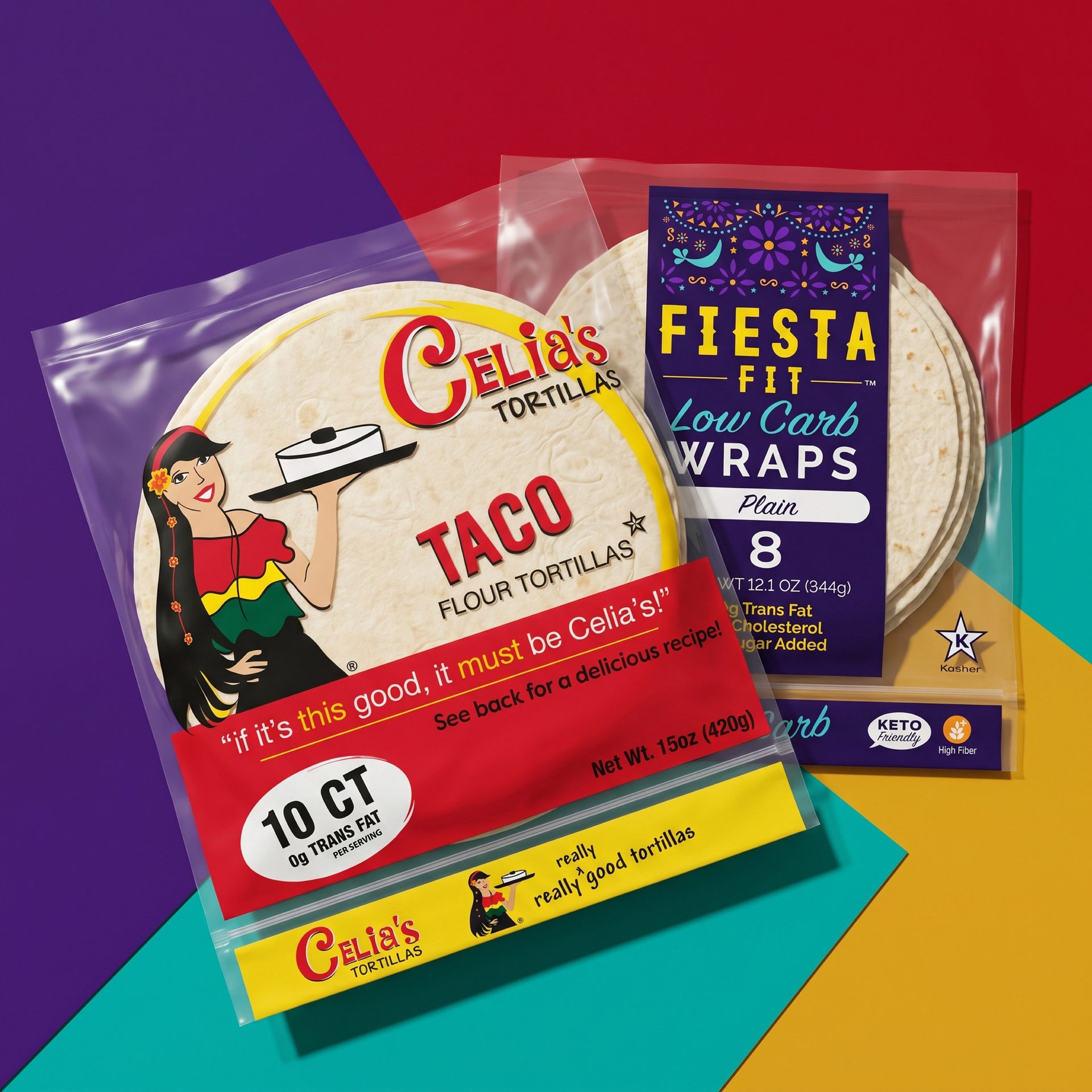
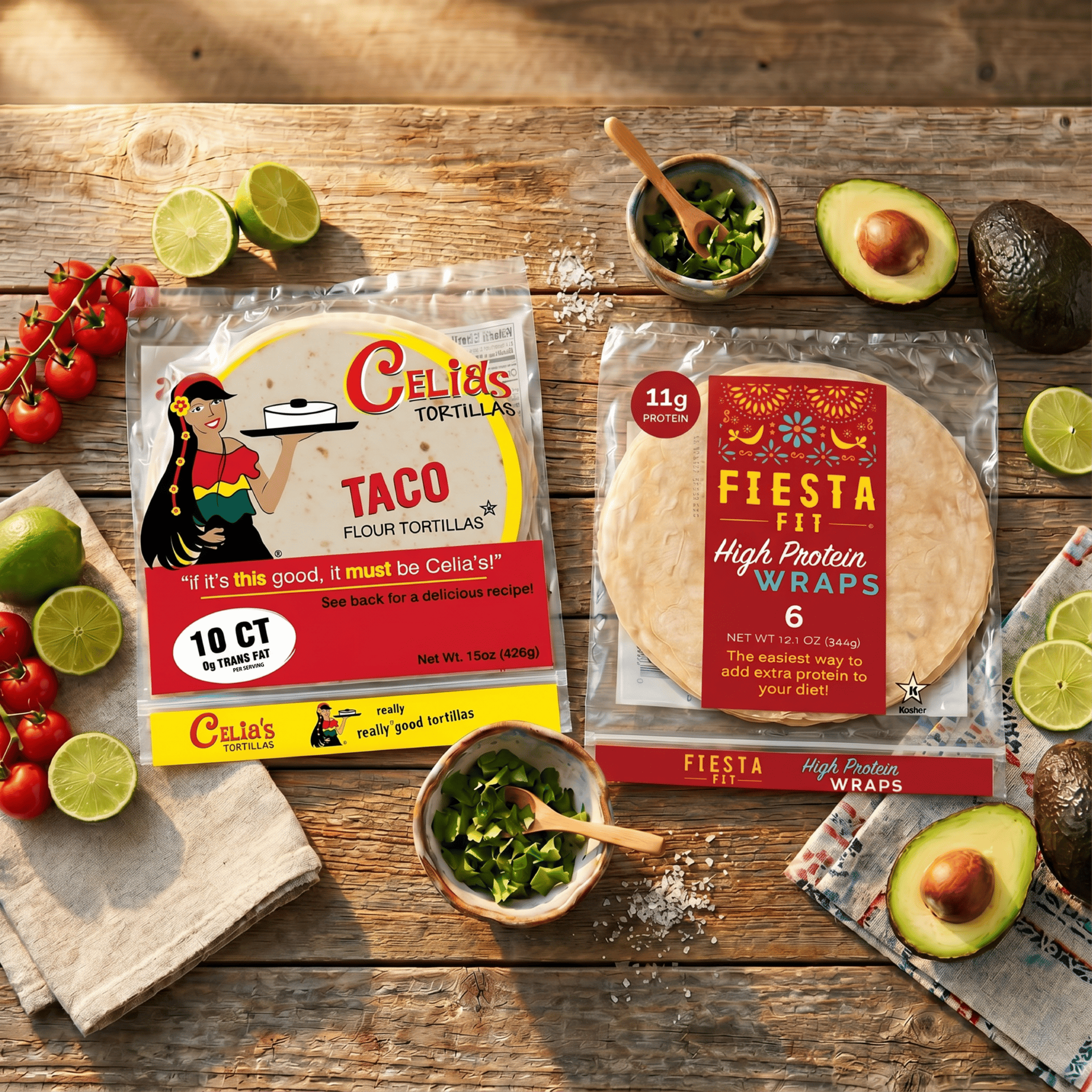
Courtesy of Alta Foods
Looking back
Brianna Palmer, director of marketing for Alta Foods, says the overall bakery landscape has remained challenging, but resilient.
“Bright spots have included strong demand for versatile tortillas and wraps, continued growth in better-for-you options, and increased interest from both retailers and foodservice operators,” she observes. “The tortilla category continues to be an important and growing part of the bakery landscape. Tortillas remain highly relevant because they fit so many eating occasions: wraps, tacos, quesadillas, breakfast items, snacking, foodservice, deli programs, and meal prep.”
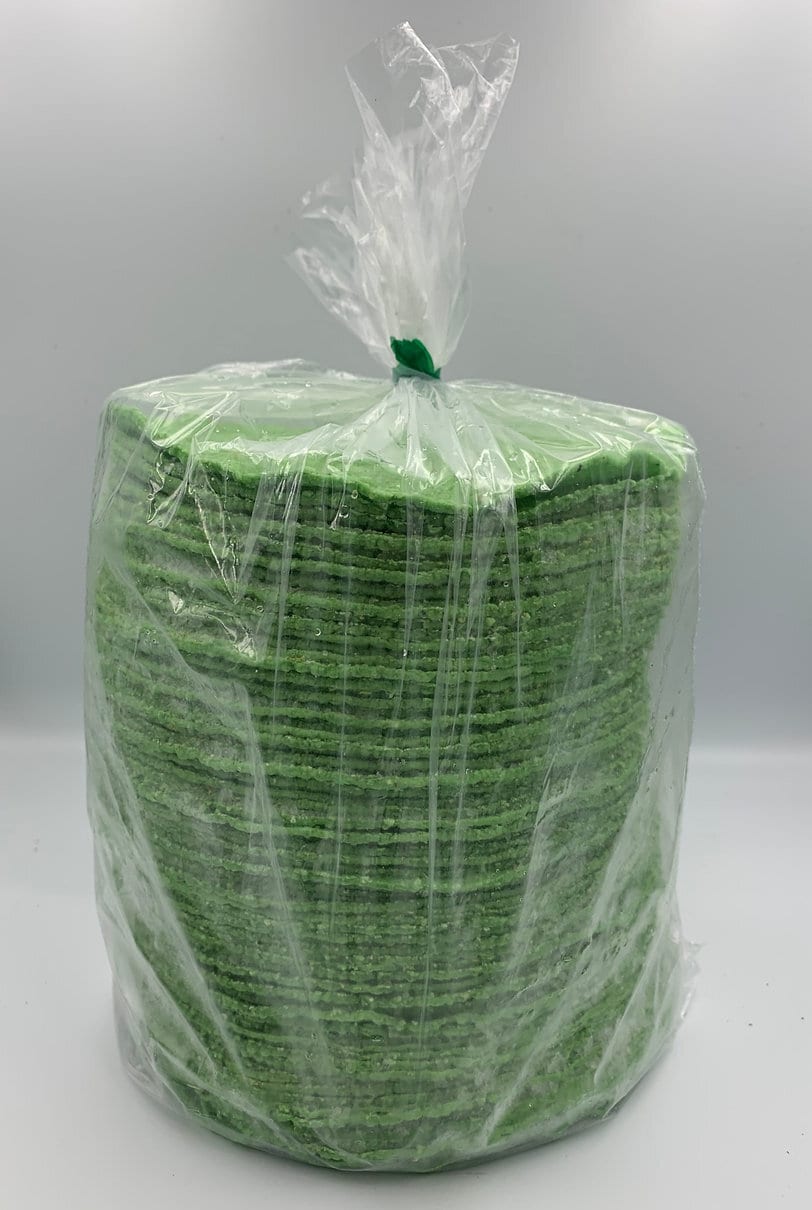
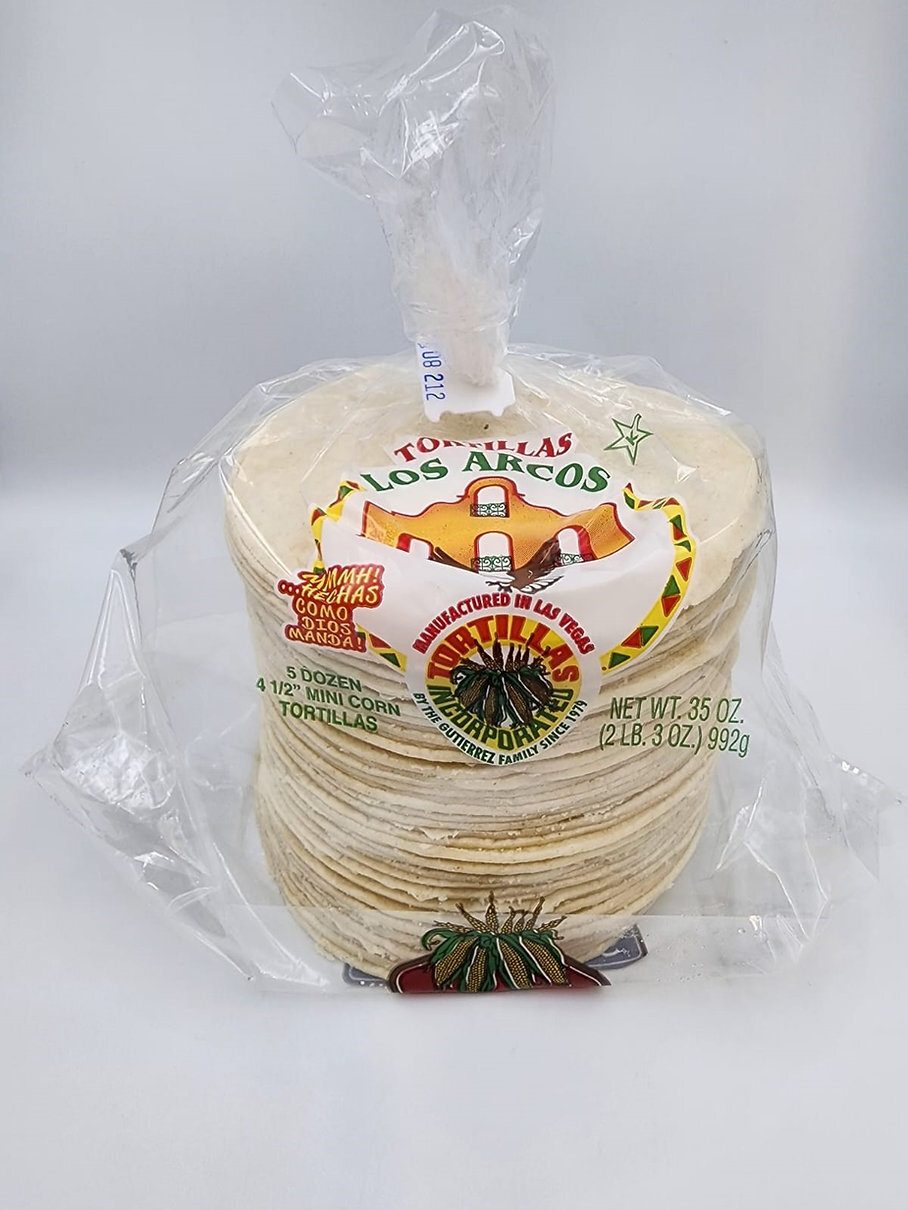
Ma Teresa Gutierrez-Martinez, president/owner-operator of Tortillas Inc./Los Arcos, says producers (especially smaller ones like hers) have faced a number of challenges.
“The last year had many challenges, especially in the labor market from prior years,
she states. “The COGS [costs of goods sold] have been escalating and difficult to keep pricing at a level to compete with the big corporations.”
Palmer says she’s noticed the most significant consumer interests impacting the category include demand for more protein and fiber (thanks to increased GLP-1 usage), continued hunger for low-carb and other BFY options, and convenient meal options.
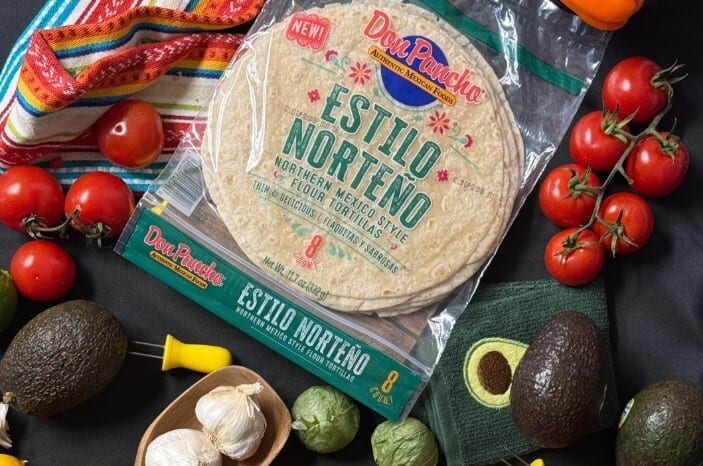
Courtesy of Don Pancho
“Consumers want products that support their lifestyles, but they are not willing to sacrifice taste,” she says.
Mark Haig, director of sales with Don Pancho, says he also thinks the GLP-1 surge has been a formidable challenge—one that’s likely to persist.
“This has caused a pivot in the type of tortillas people are buying,” he states. “With the FDA approving a pill version we expect to see the challenge grow even more.”
Haig adds that outside from the increase of those medications, other challenges were milder.
“We had a fairly stable supply chain and labor market for all of 2025,” he says. “More recently we’re seeing pressure from rising fuel costs. I feel this is going to continue to escalate to where it affects raw material costs.”
Courtesy of Don Pancho
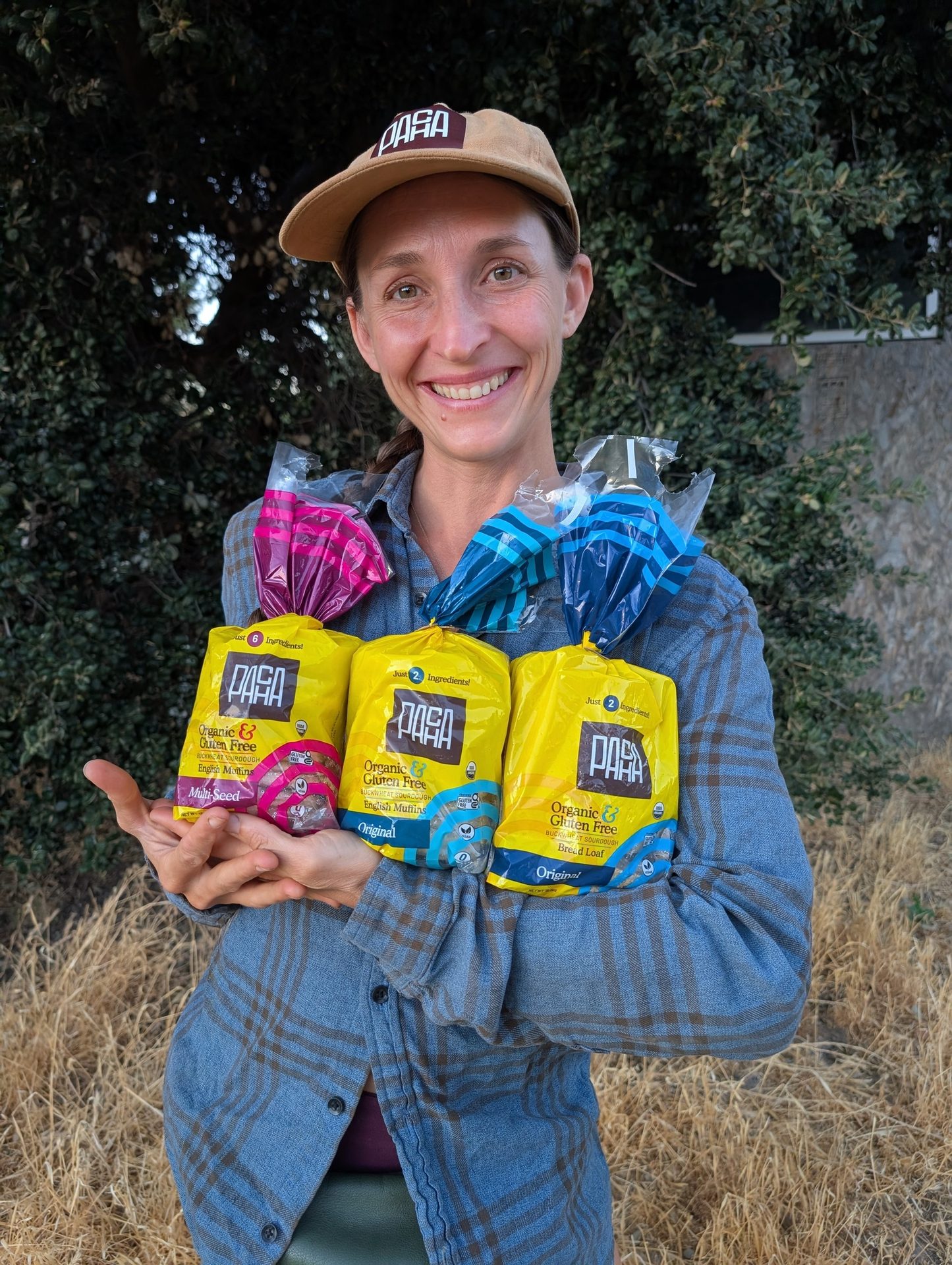
Maddie Hamann, co-founder of Pacha, says she also has noticed producers exhibiting resilience in the face of formidable challenges.
“Producers are operating in a high-pressure environment,” she says. “Food costs have moderated from the steep increases of prior years, but they are still rising. USDA reports food prices rose 2.9% in 2025 and forecasts another 2.9% increase in 2026, with food-at-home prices forecast to rise 2.4%. Labor, packaging, freight, and ingredient sourcing remain ongoing operational challenges.”
However, she notes, such obstacles can lead to opportunities for savvy producers.
“For brands like Pacha, the bright spot is that these pressures are also pushing real innovation,” she shares. “Consumers are reading labels more closely and rewarding products that are genuinely different, not just better-for-you in marketing language.”
Recent product introductions include a number of tortillas and wraps aimed at consumers looking to adopt more healthy eating habits.
“Alta Foods has continued to focus on innovation in better-for-you tortillas and wraps. One key area has been our Fiesta Fit High Protein Wraps, which deliver 11 g of protein per wrap while still providing the taste and flexibility consumers expect,” she says, adding that it also launched
Fiesta Fit Clean Label Wraps, made with avocado oil and non-GMO ingredients.
Don Pancho’s product launches over the past year were aimed at meeting consumers and their evolving needs.
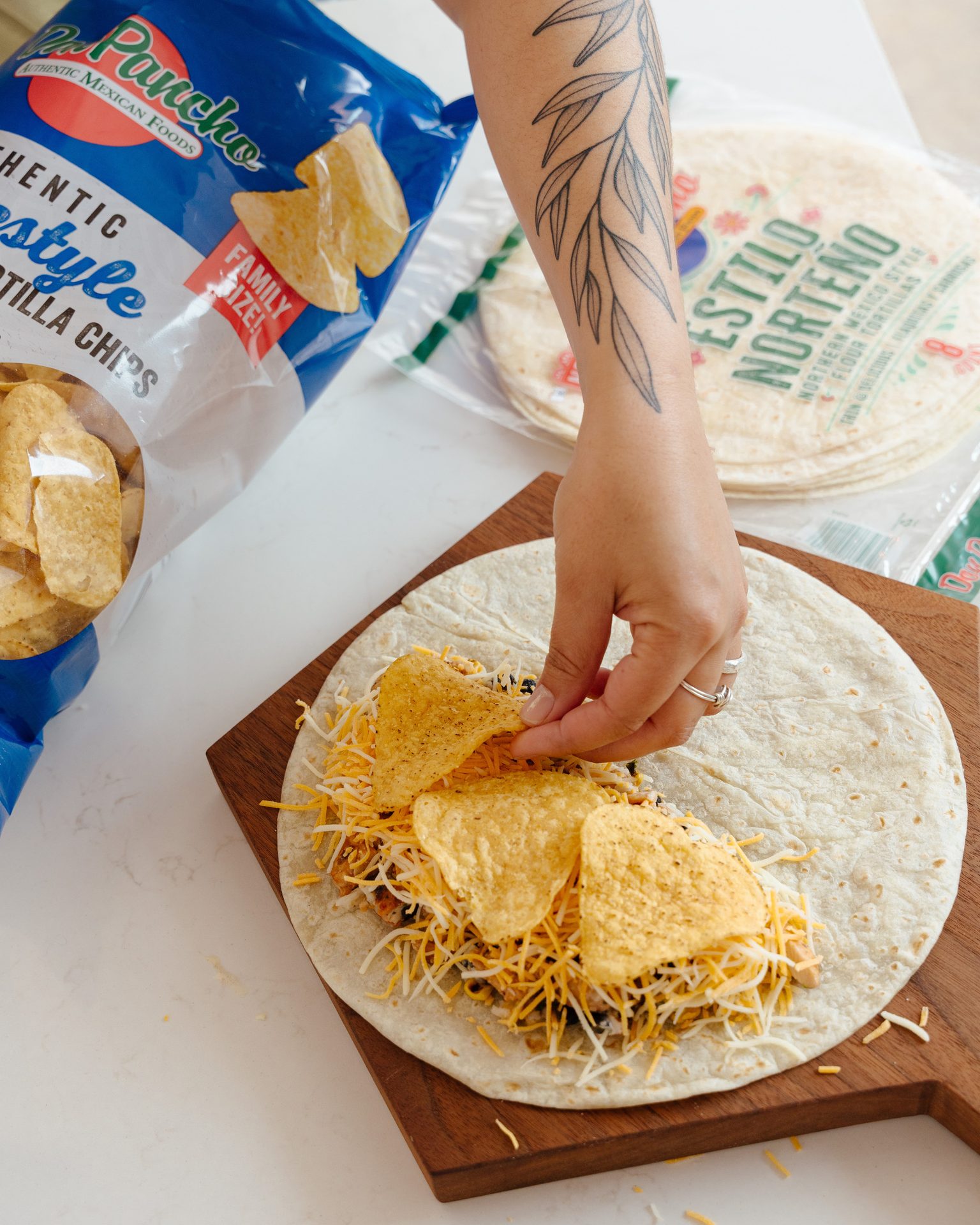
“The first new product launch was our 10-inch deli wraps with four new items including a retail centric packaging and a more consumer friendly product and package size—our deli wraps are not just trying to be a crossover from a traditional foodservice wrap to a retail application,” Haig shares. “The second new product launch was our new Estilo Norteños flour tortillas. These are a more rustic, Northern Mexico style flour tortilla—a thinner tortilla with a fresh flavor that pops” to life when put on the flat top.”
Courtesy of Pacha
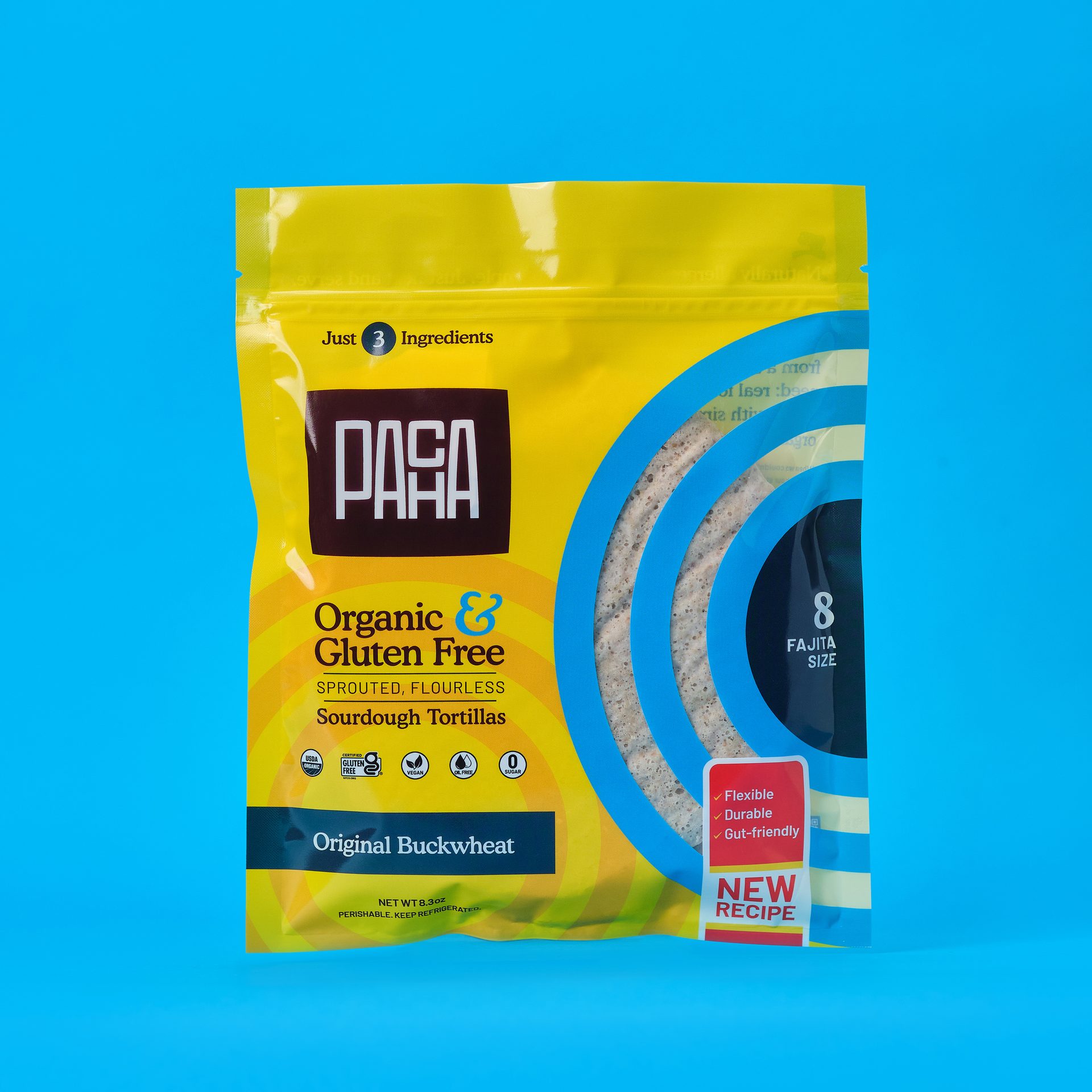
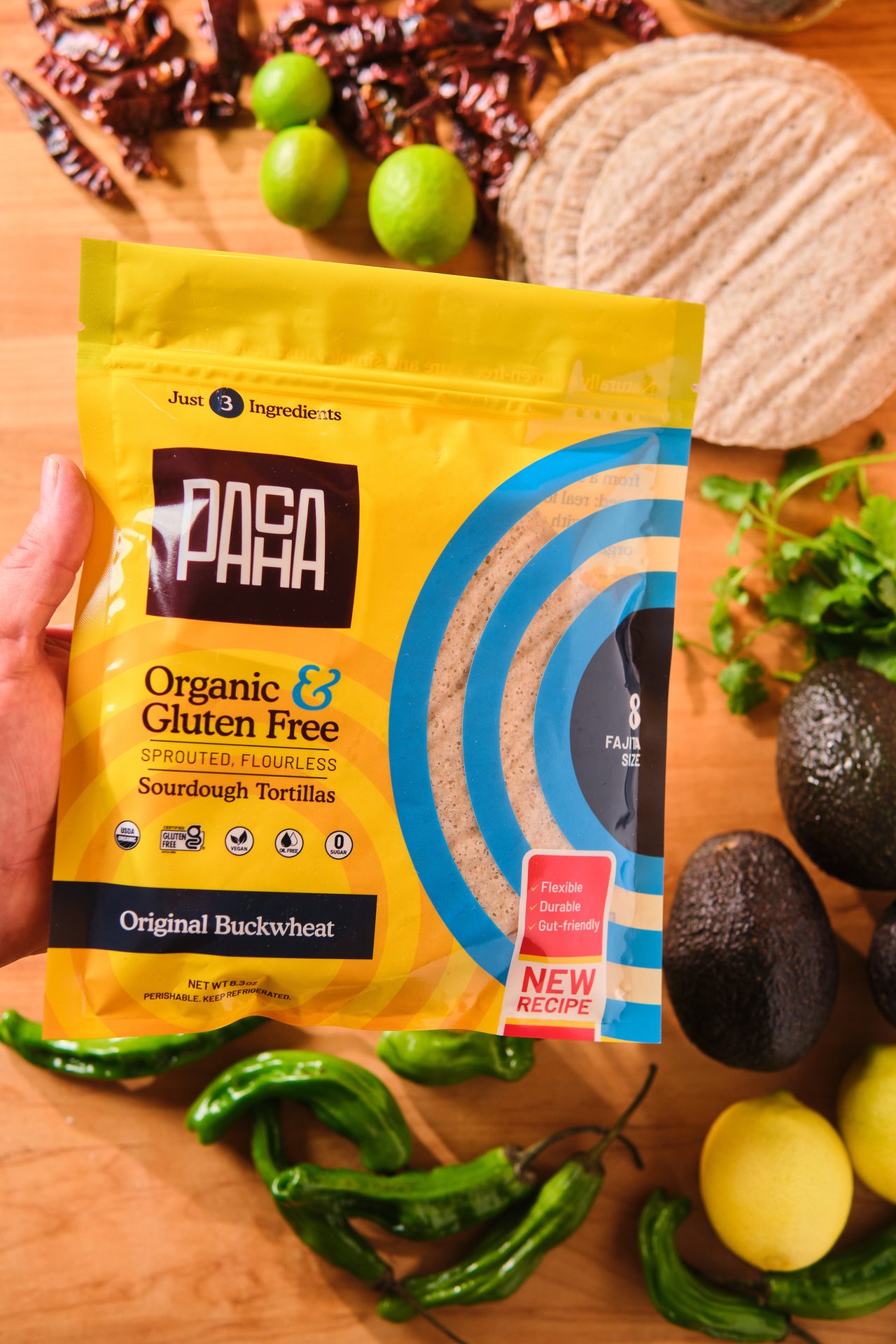
Pacha is a company relatively new to the tortilla category, but they recently entered the field with what Hamann believes is a true stand-out.
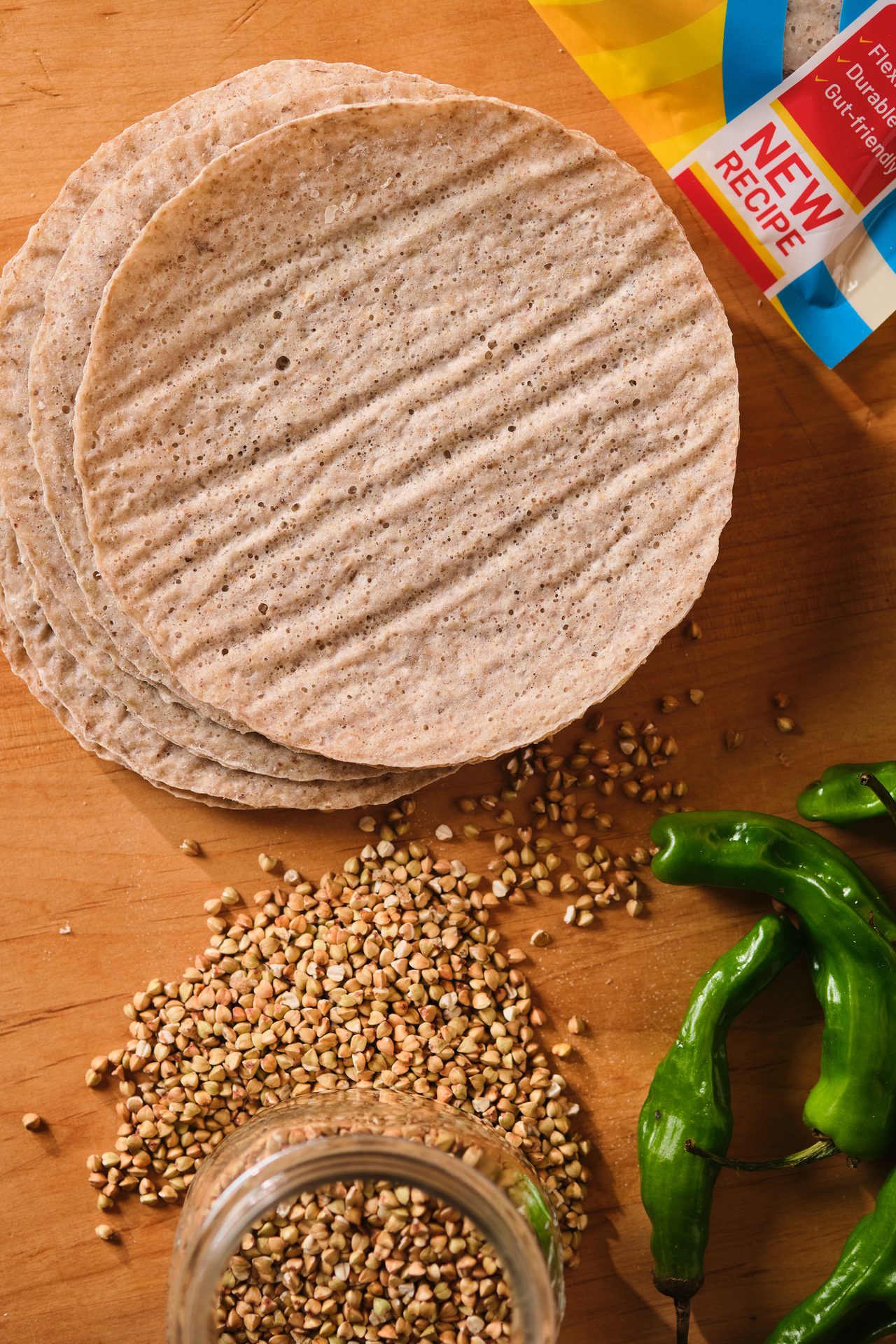
“Pacha’s major new tortilla product is our Sourdough Buckwheat Tortilla; we believe it is the first tortillas of its kind: sprouted, sourdough, gluten-free, organic, plant-based, and made with the same simple base recipe as our core bread platform sprouted buckwheat and sea salt.”
Hamann says the product, first launched online, has expanded onto Whole Foods shelves, and consumers have responded.
“What makes it special is what is not in it—it is made without gums, fillers, binders, preservatives, seed oils, gluten, wheat, dairy, eggs, soy, nuts, or other top allergens. It also connects directly to PACHA’s broader mission: using regenerative buckwheat.”
Looking forward
“Tortillas are one of the most exciting areas of bakery because they are already part of everyday eating,” states Hamann. “The opportunity now is to make them better: better ingredients, better digestibility, better sourcing, and better impact.”
The future of tortillas, according to Palmer, looks bright.
“We are optimistic about the tortilla category; tortillas continue to be one of the most versatile products in bakery, and that versatility gives the category room to grow across retail, foodservice, deli, and private label,” she predicts. “Consumers are cooking at home, meal prepping, looking for convenient lunches, and seeking products that support wellness goals.”
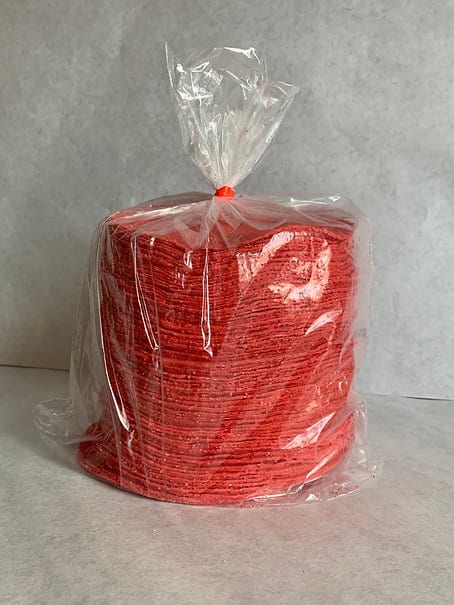
Gutierrez-Martinez says with Tortillas Inc. being in the business as long as it has, its longevity gives the team perspective about the long run.
“Our business is family owned and operated since 1979—employees are like family,” she states. “We stay optimistic that the 46 years of experience gives us the opportunity to continue to grow and serve our community.”
Haig says while he also harbors optimism about the road ahead, he doesn’t think that road will be free from obstacles.
Courtesy of Tortillas Inc.
“Supply chain challenges might add some pressure in the next 12 months,” he notes. “As new trends emerge and outgrow current available supply, we’ll see some added strain. This is going to [be] felt in the areas of non-seed oil, with avocado being the main new go-to. There could be possible supply challenges. Also, with the explosion in the protein segment, we could experience supply chain challenges with certain ingredients.”
Palmer says she expects to see continued growth around:
- High-protein wraps
- Fiber-forward options
- Products made with alternative oils, such as avocado oil
- Flavor innovation
- Retail deli and foodservice applications
- Private label innovation
“Tortillas are one of the most exciting areas of bakery because they are already part of everyday eating.”
— Maddie Hamann, co-founder, Pacha