The BOTTOM LINE
- Better-for-you bars have been outperforming their conventional counterparts
- Desirable BFY benefits include high protein and fiber content, and clean labels
- Portability and portion control are key draws for the category
Health kick
Bars with a better-for-you focus are increasingly likely to attract consumer attention.
Jenni Spinner, Chief Editor
Bars are a category that’s been on the rise—and the past year was no exception. While the subcategories have had somewhat mixed results, products that offer health benefits (high protein content, a decent amount of fiber, lack of anything "artificial" sounding on the ingredients list) are drawing consumers in more than ever.
BARS
STATE of the INDUSTRY
SPONSORED BY

HOVER OVER CHART TO SCROLL DOWN
Source: Circana OmniMarket™ Total Store View | Geography : Total US - Multi Outlet w/ C-Store (Grocery, Drug, Mass Market, Convenience, Military and Select Club & Dollar Retailers) | Time : Latest 52 Weeks Ending 04-19-25
Market data
The “snack bars/granola bars” category has had a pretty great year, according to data from Circana for the 52-week period ending March 22, 2026. The column raked in $10.9 billion in dollar sales, up 7.1% from the prior period. The subcategories, however, saw some notably mixed results for the year.
The “breakfast/cereal/snack bars/clusters” subcategory had some bad news for the period. It took in $2.3 billion, but that figure amounted to a 6.4% drop in sales for the year. Top-ranked players in the category mostly experienced declines:
- Kellanova: $662.3 million, down 8.5%
- Kind: $285.7 million, a drop of 14.1%
- General Mills: $146.8 million, a 17.9% decline
Private-label products in the subcategory brought in $376.4 million, a 7.1% drop.
Granola bars fared better; the subcategory’s $1.8 billion in dollar sales for the 52-month period constituted a 1.4% increase compared to the previous period. The leaders had a blend of ups and downs:
- General Mills: $632 million, a 10.2% drop
- PepsiCo’s Quaker Oats: $336.1 million, a gain of 49.2%
- MadeGood: $206.7 million, a 36.3% increase
Private-label granola bars raked in $300.7 million, a decline of 5.3%.
The bars subcategory that performed the best was ‘nutritional/intrinsic health value bars’—the $5.9 billion it brought in amounted to a 15.4% increase compared to the previous period. As with other subcategories, the highest-ranked producers here saw mixed performance:
- Mondelēz’s Clif Bar: $997.4 million, up 1.7%
- 1440 Foods: $621.6 million, down 5.6%
- Barebells: $482.9 million, an impressive 142.3% jump
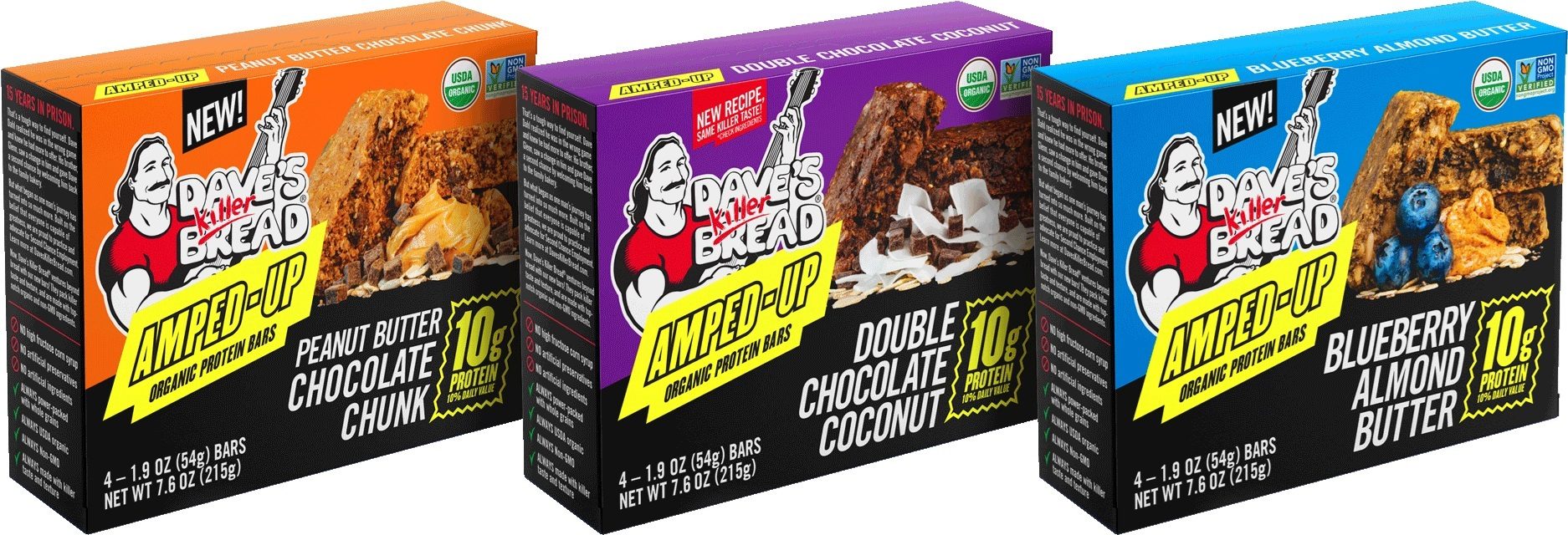
Courtesy of Flowers Foods
Private-label sales in this subcategory were relatively flat—its $346.1 million in dollar sales constituted a 1% increase.
Courtesy of Flowers Foods
Looking back
According to Eliza Coteng, director of innovation marketing for Mars Snacking Away From Home, “Over the past year, the bakery and snack landscape has remained resilient despite ongoing pressures like labor challenges and rising costs. What’s been encouraging is continued consumer demand for snacks that deliver both enjoyment and purpose.”
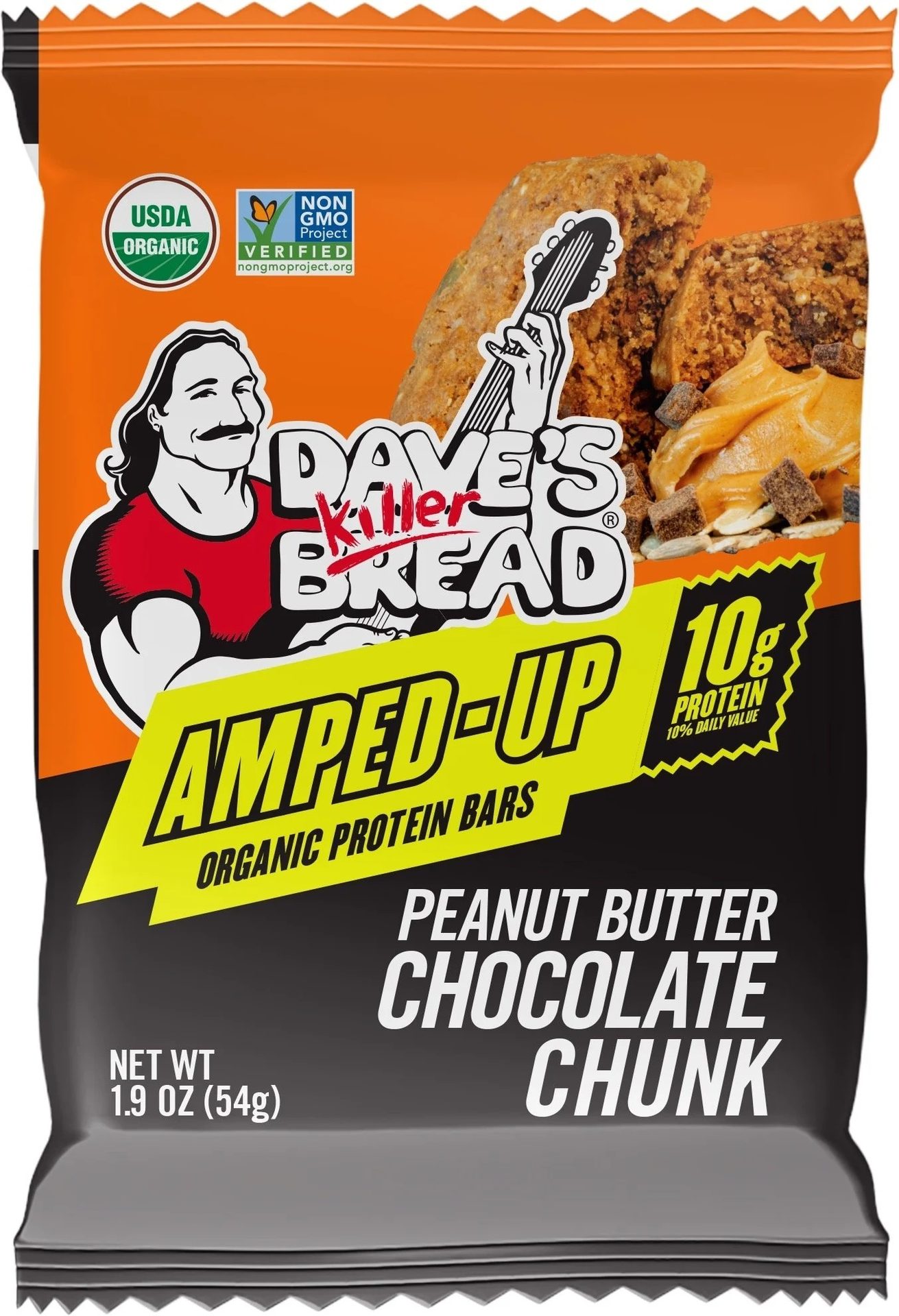
Danielle Benjamin, senior director of brand management for Flowers Foods’ Dave’s Killer Bread portfolio, says BFY snacking interest is “a bright spot of growth across the grocery sector, fueled by evolving consumer expectations and snacking habits.”
“We’re seeing strong momentum in formats like bars and bites, where convenience meets functionality and taste, she continues. “Ultimately, the growth is being driven by consumers—people are snacking more often and actively seeking snacks that deliver the full package of great taste and meaningful nutrition.”
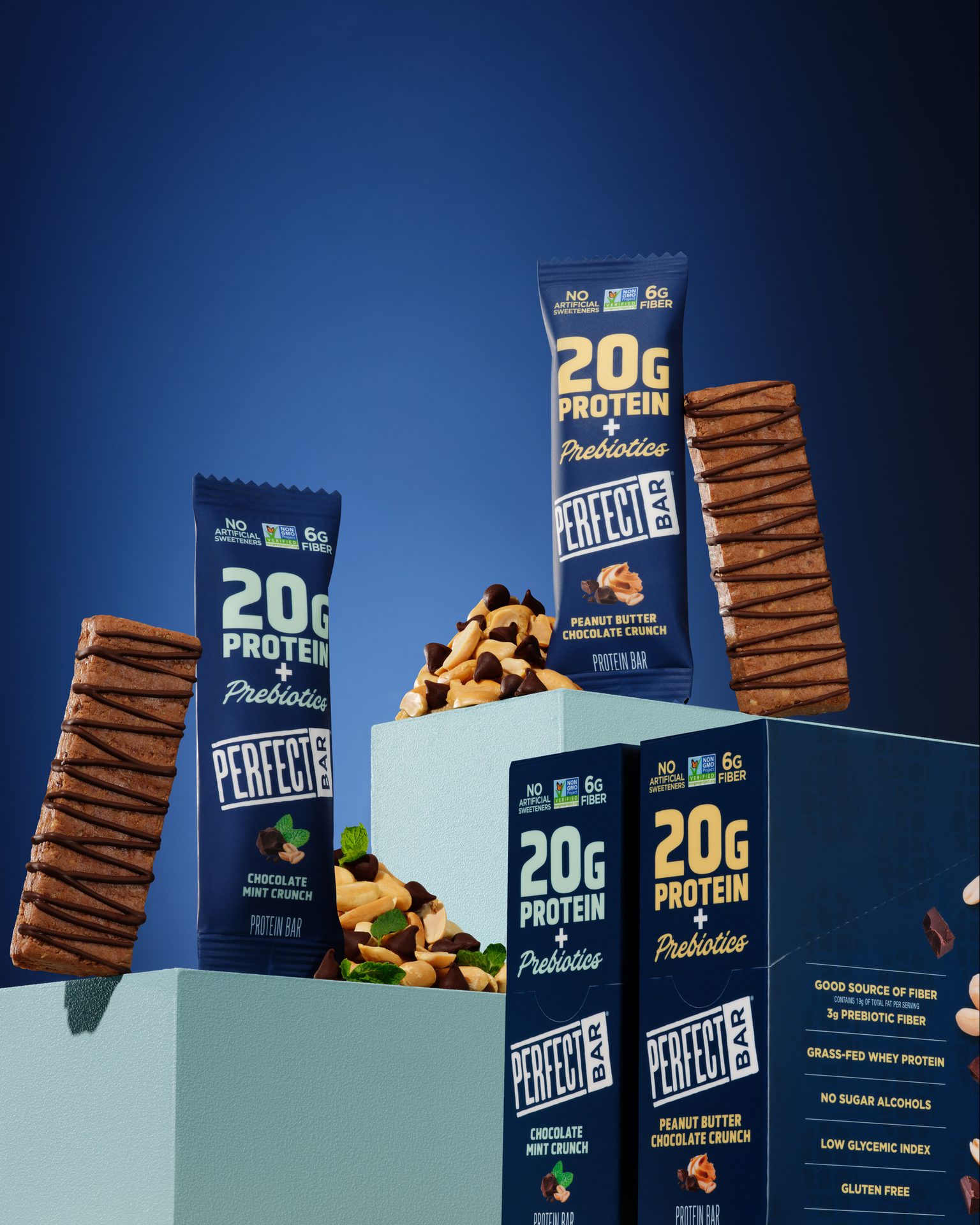
Courtesy of Perfect Bar
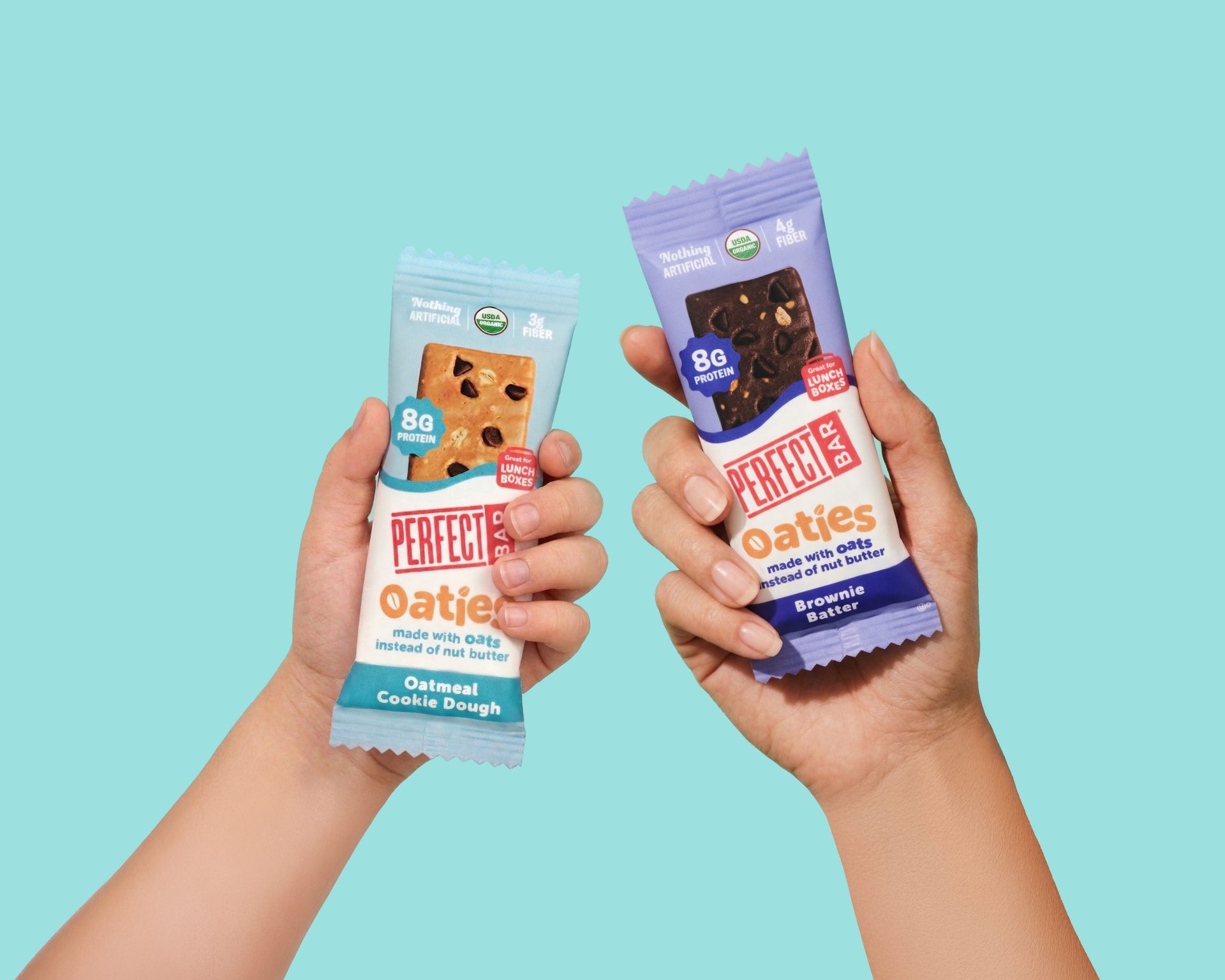
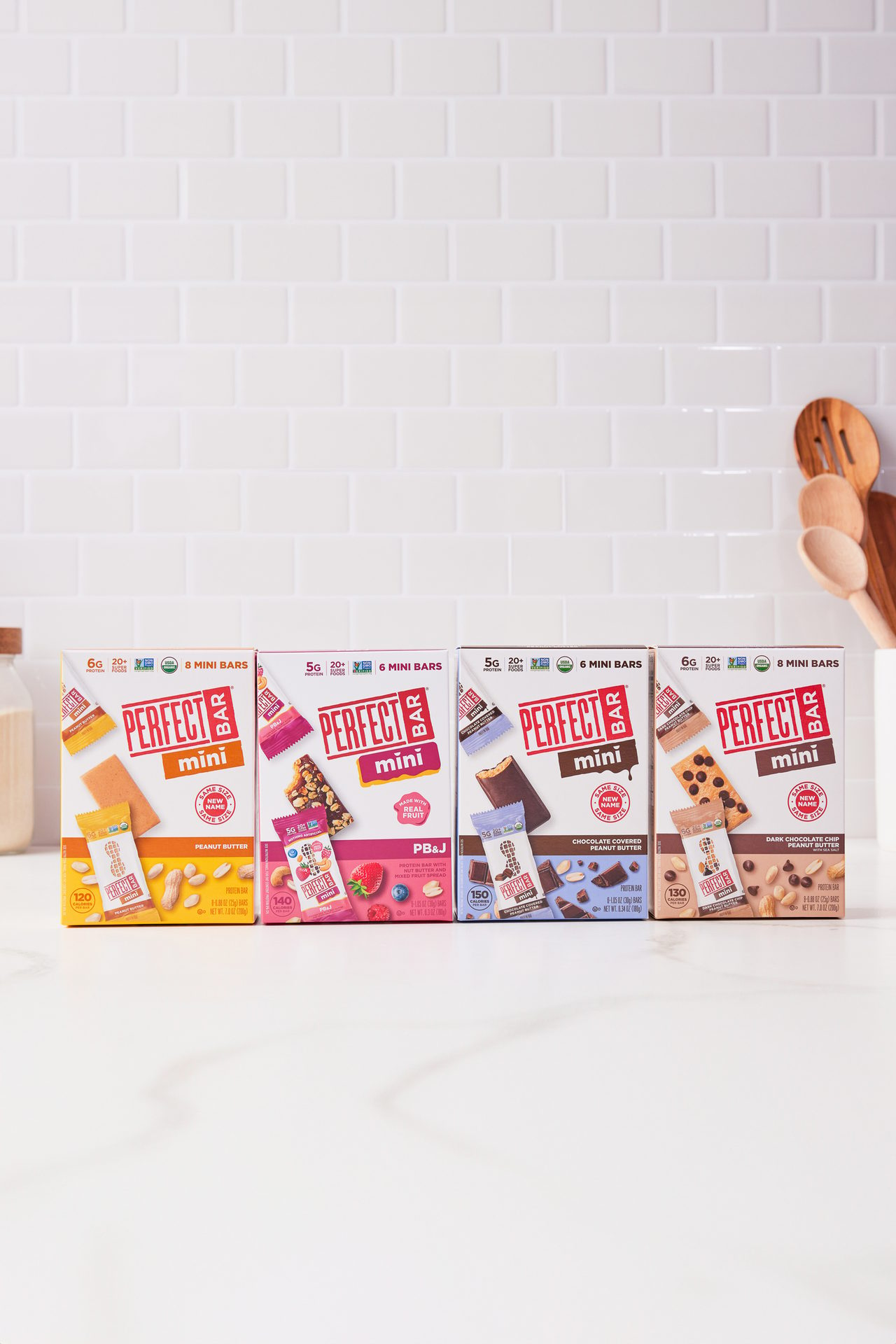
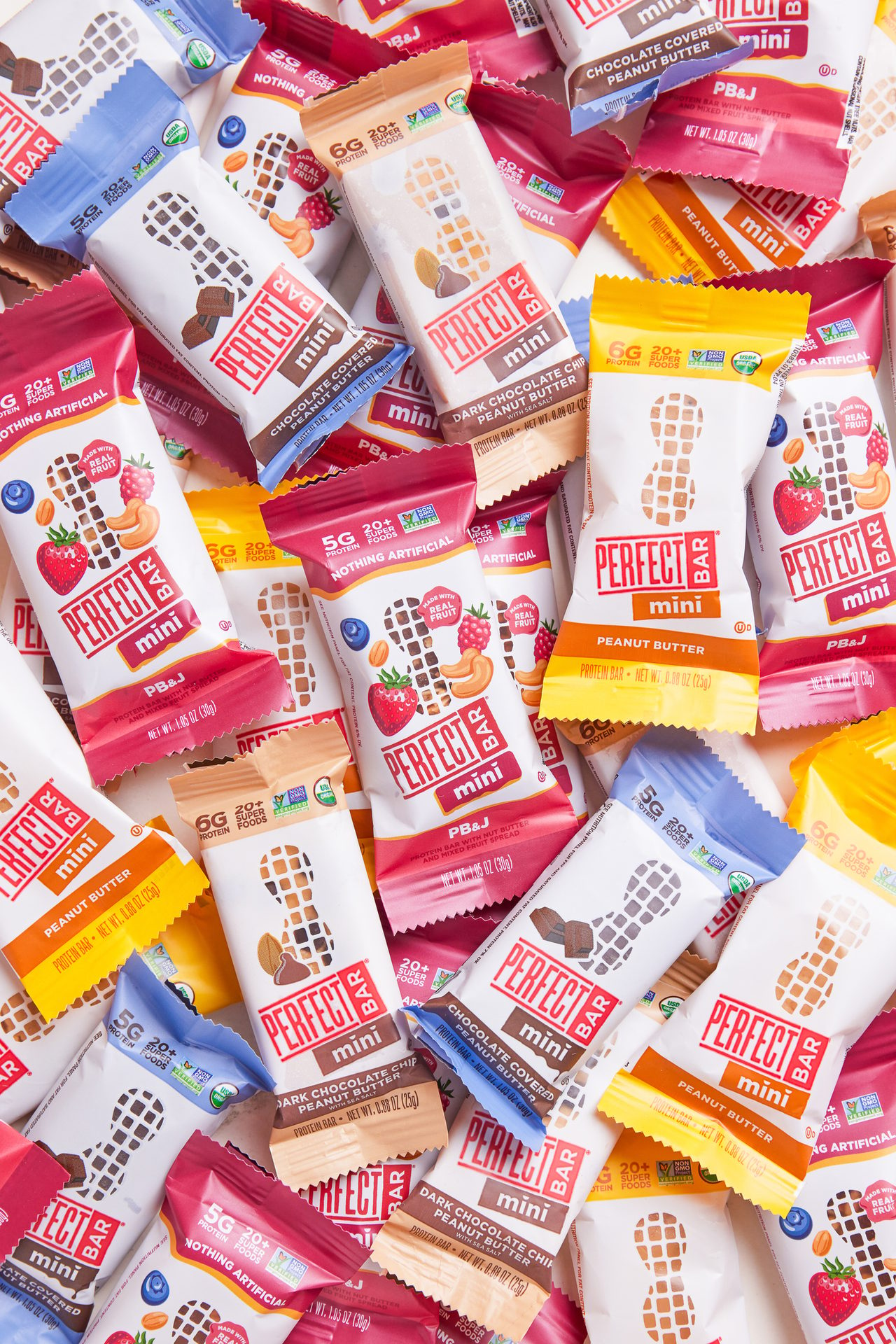
Cara Liebrock, CEO of Mondelēz’s Perfect Bar, states the increasing consumer preference for products with clean labels and health benefits is good news for BFY brands like hers.
“We know today’s consumers are increasingly prioritizing snacks made with healthy, natural ingredients, with Mintel reporting that these ingredients are now the No. 1 purchase driver in the bar category, and the benefit consumers are most willing to pay more for,” she shares. “At the same time, nearly half (45%) of U.S. snackers prioritize protein when choosing a healthy snack. Perfect Bar is well positioned to meet this growing demand—we’ve always offered the kind of snack consumers are seeking more than ever today: a convenient, high-protein bar made without junky fillers that tastes delicious.”
Coteng adds, “Brands that can combine great taste with simple, recognizable ingredients and added benefits, like protein, to their bars have been especially well-positioned.”
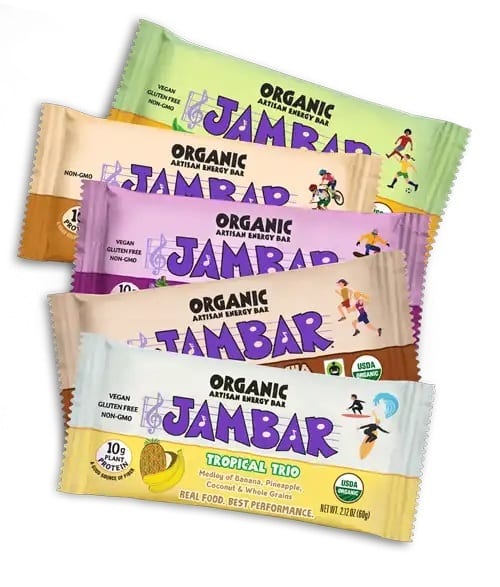
Courtesy of Jambar
She also observes that the bars category offered some good news—especially products offering health benefits and clean-label ingredients lists.
“Consumers are increasingly looking for snacks that do more—they want protein, simple ingredients and great taste all in one product,” Coteng notes. “We know ingredients are the number one reason consumers try a new bar, and 77% prefer simpler ingredient lists. At the same time, 64% of consumers are actively seeking snacks that are good for them, and demand for plant-based options continues to grow.”
Jenny Maxwell, founder of Jambar, says while consumers want good health and ‘real’ ingredients, those are only a few of the items on their must lists.
“Taste and texture have become non-negotiable—people want something that fuels them, but also feels enjoyable to eat, not medicinal,” Maxwell notes. “We’re also seeing growing demand for products that can serve multiple roles: fuel for activity, a snack between meals, or even a light meal replacement. Flavor innovation remains incredibly important as well, with consumers gravitating toward bars that move beyond traditional flavor profiles.”
Bar brands that offer products in the BFY space, such as Perfect Bar, have been adding lines with new health benefits.
“In March of 2026, we launched Protein + Prebiotics, a first-of-its-kind refrigerated high-protein bar with 20 g of protein, prebiotic fiber, and fridge-fresh ingredients with absolutely no junk,” says Liebrock. “We really set out to create a new standard of protein with Protein + Prebiotics, by refusing to compromise on the quality of ingredients while offering our highest protein content bar yet. Each bar contains no artificial sweeteners, sugar alcohols, colors, flavors or preservatives.”
Benjamin shares consumers’ BFY interests continue to expand and grow, with shoppers on the hunt for bars that contain protein, fiber, whole grains, and other wholesome ingredients.
“Dave’s Killer Bread Amped-Up Protein Bars are a great example of delivering power-packed nutrition without compromising taste or quality; the Amped-Up bars are soft-baked and include 10g of plant-based protein (10% Daily Value), 4 g of fiber, and 7-8 g of whole grains,” she says. “In early 2026, we launched new soft-baked breakfast bars that are certified USDA Organic and Non-GMO Project Verified and also feature 4 g of fiber, 3 g of protein, and 15-16 g of whole grains for a one-two punch of killer taste and nutrition. The Breakfast Bars are baked with organic oats and fruits and drizzled with a sweet streusel topping.”
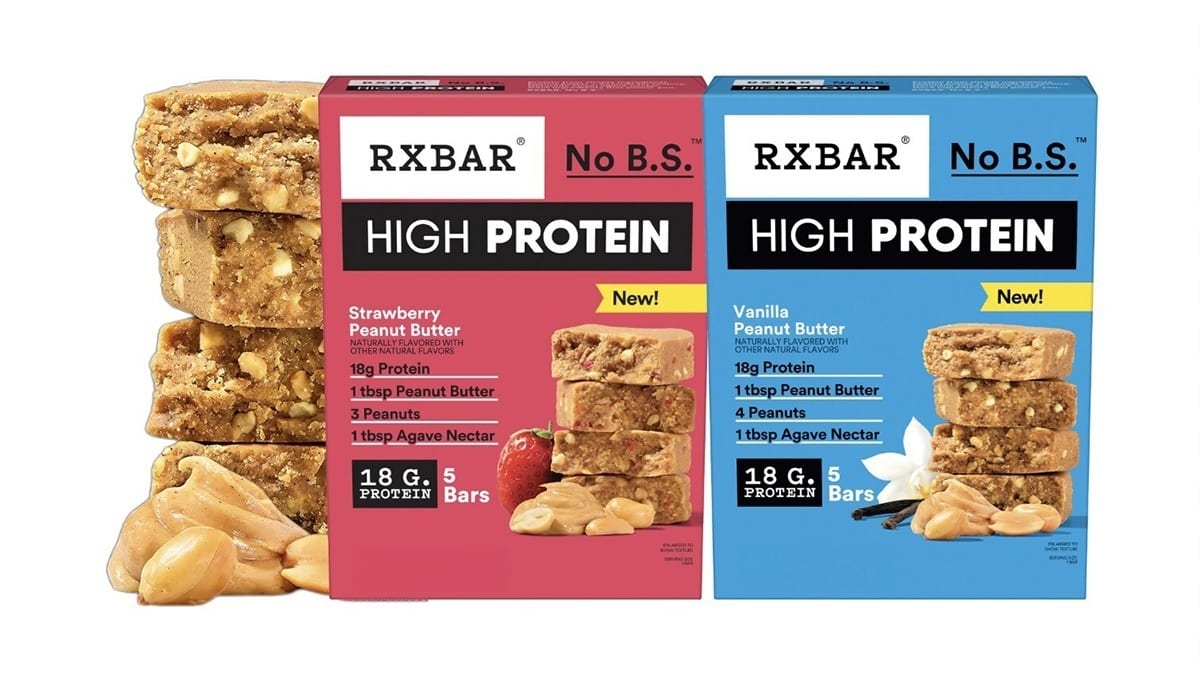
Courtesy of Kellanova
When Mars acquired Kellanova last year, it brought a number of baked-good and snack brands into its fold, among them RXBar. Coteng remarks RXBar saw a number of innovations with the potential to attract consumers.
“RXBar High Protein Bar delivers in a big way with 18 g of protein, six ingredients and flavors people genuinely crave—that combination is what’s driving excitement and relevance in today’s bars landscape,” she states. “With the addition of RXBar Protein Energy Bites as a line extension, we’re able to meet those same needs in a new, convenient format, giving consumers more ways to enjoy simple, protein-forward snacks wherever and whenever they need them.”
Portion control is another consumer demand that’s been on the rise, with many bar brands introducing more diminutive versions of their full-size items.
“One of our most exciting introductions has been Jambar Minis, which were designed to meet consumers in more moments throughout the day,” shares Maxwell. “Not every occasion calls for a full bar, so the minis offer a flexible option for a quick energy boost, a pre-workout bite, or an easy, better-for-you addition to a lunchbox.”
Looking forward
Coteng says while she expects pressures like cost increases, supply chain challenges, and a crowded category to impact bars, she’s optimistic: “The demand for convenient, better-for-you snacks isn’t slowing down, and bars are uniquely positioned to meet that need, especially when they deliver both nutrition and taste.”
She adds trends she expects to continue to impact bars will be:
- Protein-forward snacking
- Simple, recognizable ingredients
- Plant-based options
- Permissible indulgence, where nutrition and taste go hand in hand
“Today’s consumers are increasingly prioritizing snacks made with healthy, natural ingredients.”
— Cara Liebrock, CEO, Perfect Bar