
The BOTTOM LINE
- While other snack category sales have been flat, tortilla chips are on the rise
- Better-for-you chips and novel flavors are gaining attention
- Emerging brands are seeing some of the strongest category gains
Crunching into gains
Tortilla chips sales have increased slightly, and producers are optimistic about the future.
Ed Finkel, Contributing Writer
The tortilla chips category has seen sales rise very modestly at U.S. retail outlets overall, with certain brands rising or falling more significantly than the category as a whole. Newer brands that emphasize healthier and bolder-flavored chips see an opportunity to make inroads in what one calls a “stale” category. While they face economic headwinds around pricing, brands say they are optimistic about the category’s future.
TORTILLA CHIPS
STATE of the INDUSTRY

SPONSORED BY
Market data
The tortilla/tostada chips category saw dollar sales rise 0.6% to more than $2.5 billion for the 52 weeks ending May 17, 2026, according to multioutlet retail data from Circana.
Frito-Lay easily paced the category with nearly $5.9 billion in sales, down 0.2%; followed by Barcel USA, $1.2 billion, up 4.2%; private-label brands in the aggregate, $694.4 million, down 0.9%; and Truco Enterprises, $329.5 million, down 4.3%. Among the fastest-growing brands were Siete Foods, up 21.7% to nearly $187 million; and Late July, up 6.6% to nearly $185.8 million.

HOVER OVER CHART TO SCROLL DOWN
Source: Circana OmniMarket™ Total Store View | Geography : Total US - Multi Outlet w/ C-Store (Grocery, Drug, Mass Market, Convenience, Military and Select Club & Dollar Retailers) | Time : Latest 52 Weeks Ending 05-17-25
In terms of volume sales, the overall category rose 0.7% to more than 2.5 billion units sold, as prices slid a few modest 0.2% to $3.59. Frito-Lay again led with 1.6 billion units sold, up 0.7%, followed by Barcel USA, 317.6 million, up 1.2%; private-label brands, 258.2 million, up 0.3%; Truco Enterprises, 91.6 million, down 4.5%; Late July, 36.6 million, up 6.5%; and Siete Family Foods, 34.9 million, up 25.8%.
Looking back
The overall snack category has remained resilient despite ongoing economic pressures, says Chef Jamie Mammano, founder of at Mi Nina, who sees consumers who want value but will not compromise on quality, taste, and ingredient transparency. The category has seen continued growth of premium snacks that provide a “differentiated experience” through a mix of distinctive flavors, authentic ingredients, and cleaner labels, he says.
“Over the past year, brands have also become more adept at navigating supply chain and cost challenges that impacted the industry in previous years,” Mammano notes. “While inflation remains a consideration, consumers have stayed engaged with products that deliver both quality and perceived value, and there is growing interest in authenticity, whether through cultural heritage, traditional preparation methods, or thoughtfully sourced ingredients.”
Within this overall picture, the tortilla chip category has continued to do well, with consumers gravitating to them for versatility, share-ability, and malleability across a variety of occasions, Mammano states. In addition to healthier products with recognizable ingredients, clean labels, and authentic flavor profiles, consumers are “also seeking elevated snacking experiences, whether that’s through premium ingredients, bold flavors, or restaurant-inspired offerings,” he says.
Good Eat’n CEO April Siler says sales in the tortilla chips category have been strong, with better-for-you products contributing particularly heavily. While the brand’s research shows that taste is still the top driver for consumer decision-making, clean and simple ingredients are very important. “Fiber, protein, and gluten-free [claims] remain important,” she observes.
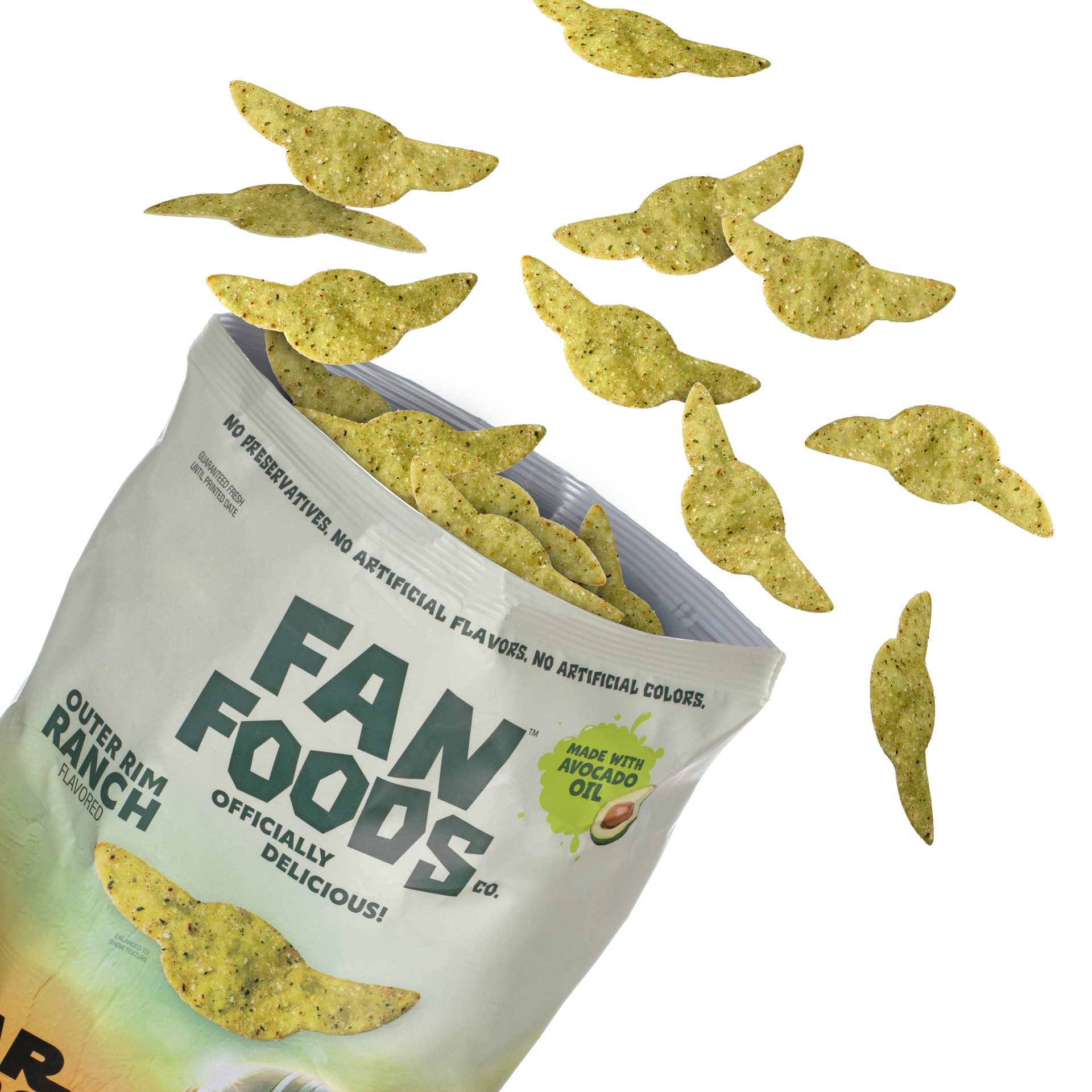
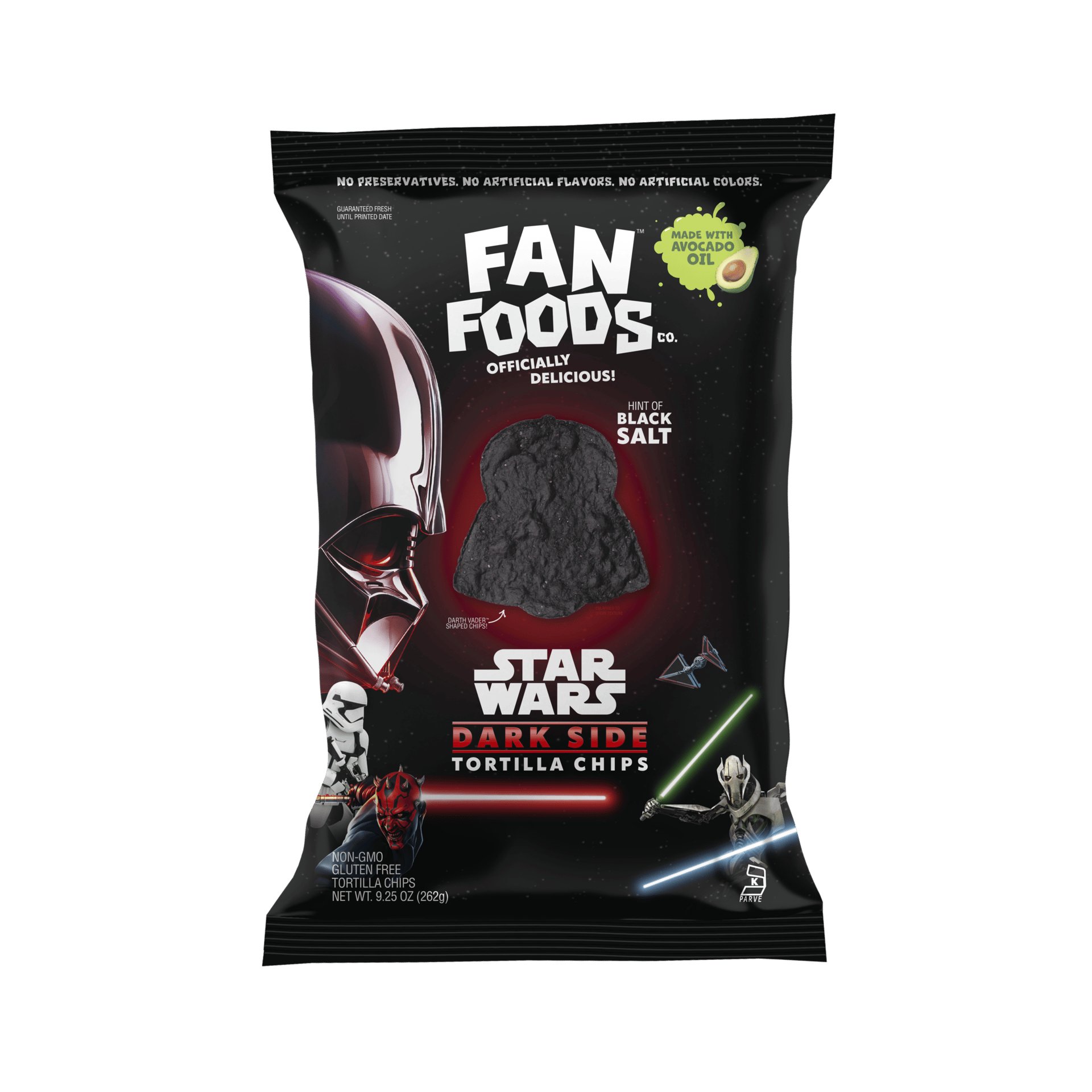
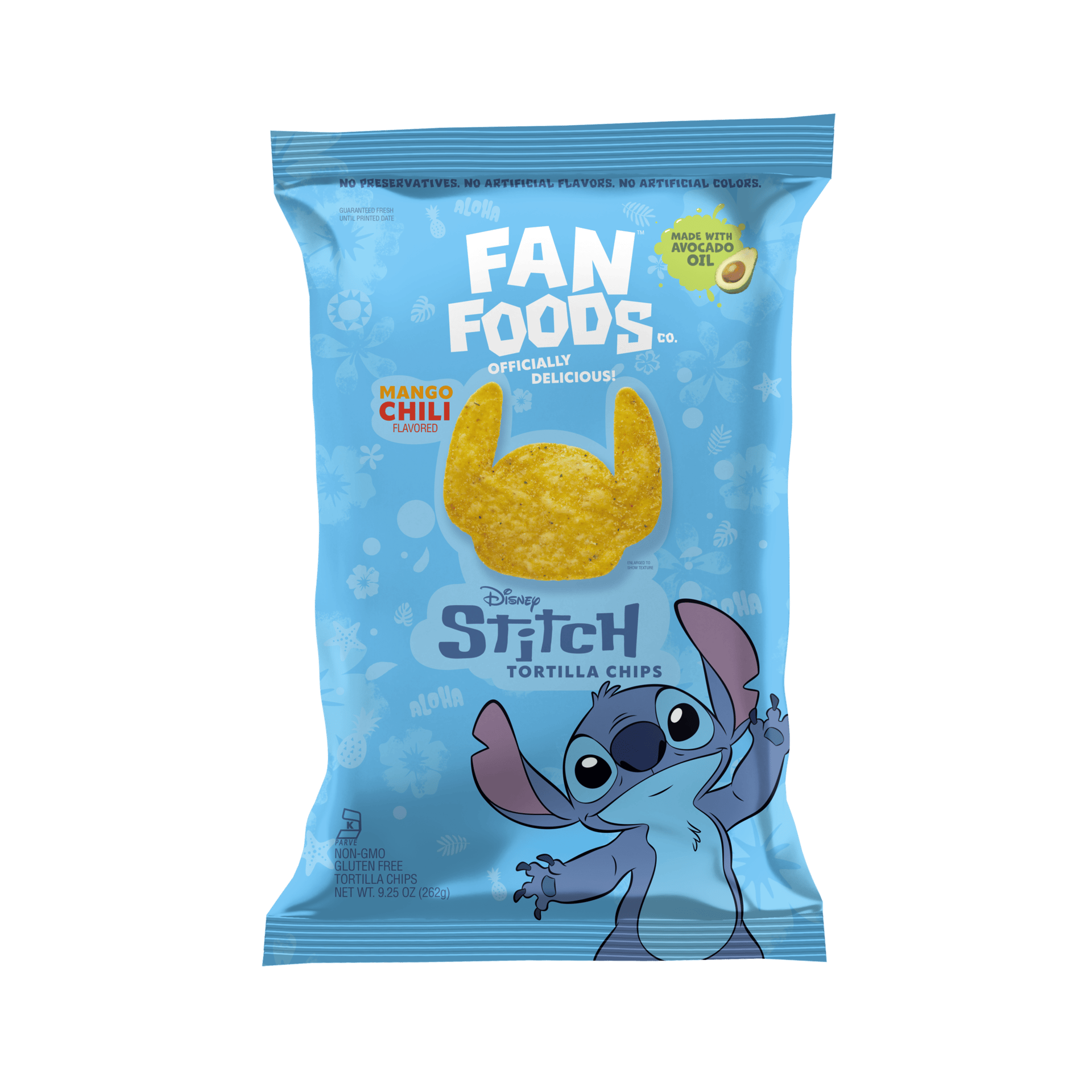
The tortilla chips category has moved in the better-for-you direction, away from seed oils and artificial ingredients, says Robert Rosenberg, chief crunch officer at Fan Foods, which shapes its chips with movie characters in mind. “We’ve taken the posture that if you have to run our ingredient list through AI, that’s a problem,” he shares. “We want mom to see the avocado oil [called out] on the package as her kids grab a character to put it into the cart. All of our ingredients are definitely clean, and better-for-you.”
Courtesy of Fan Foods
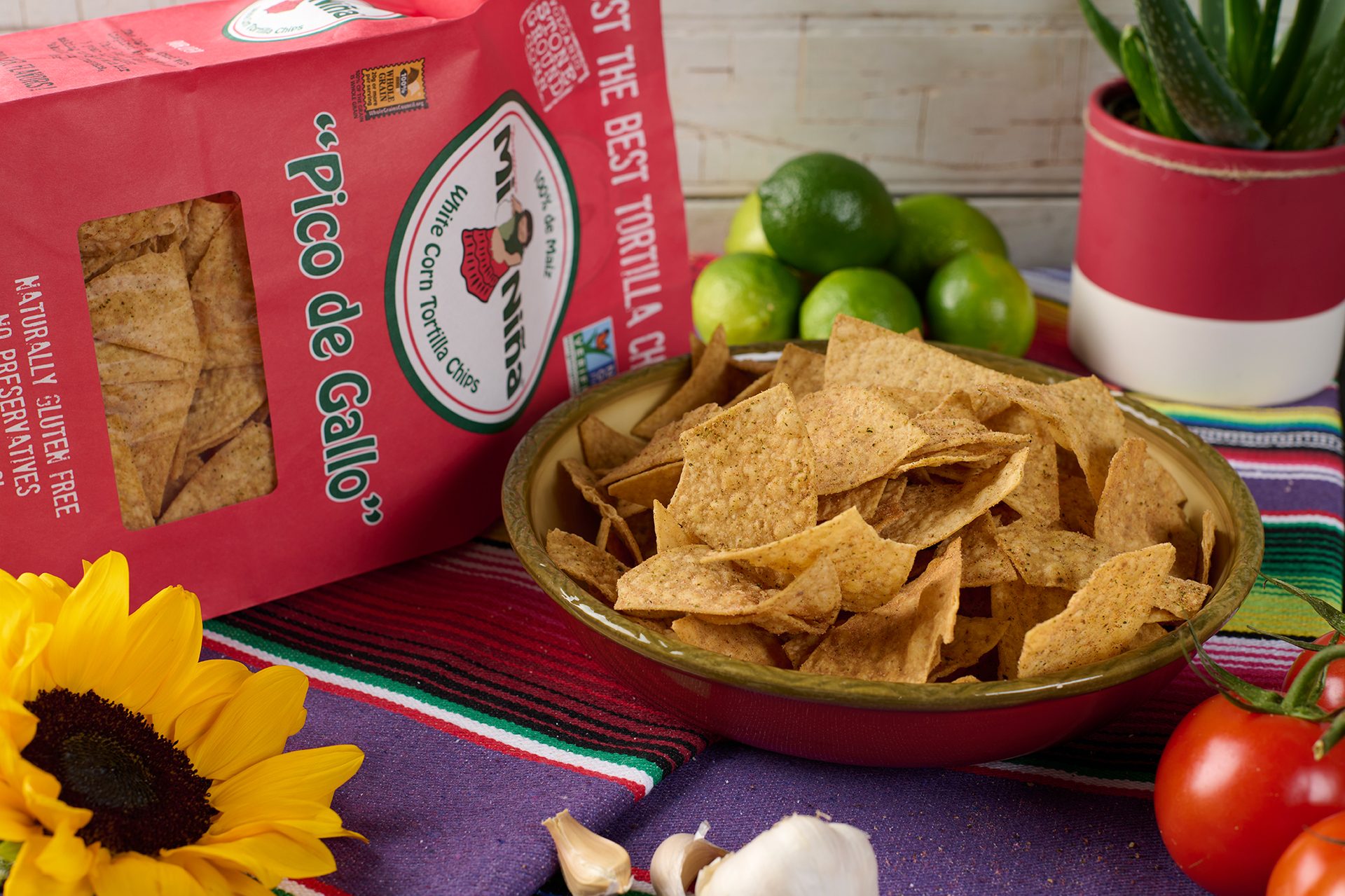
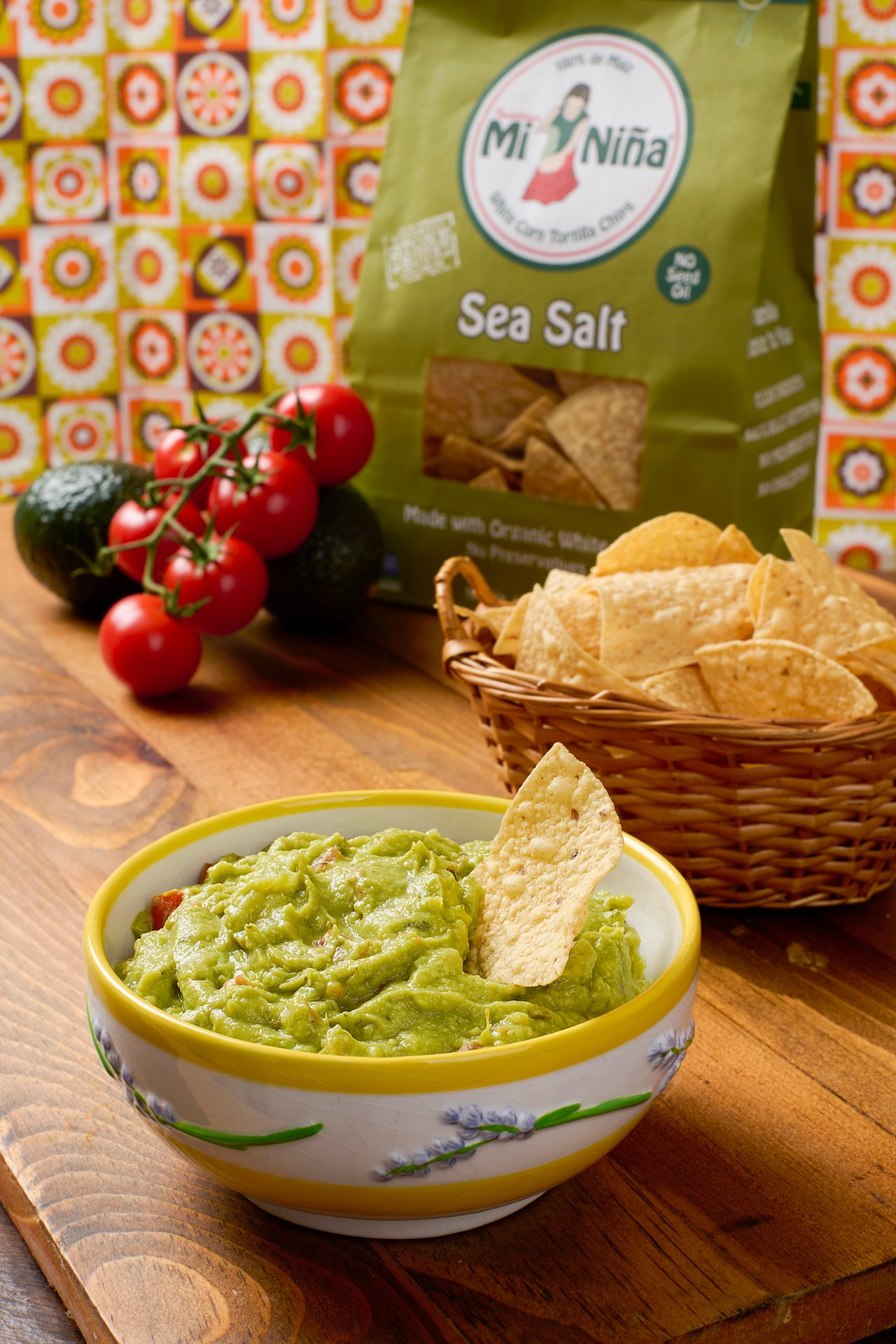
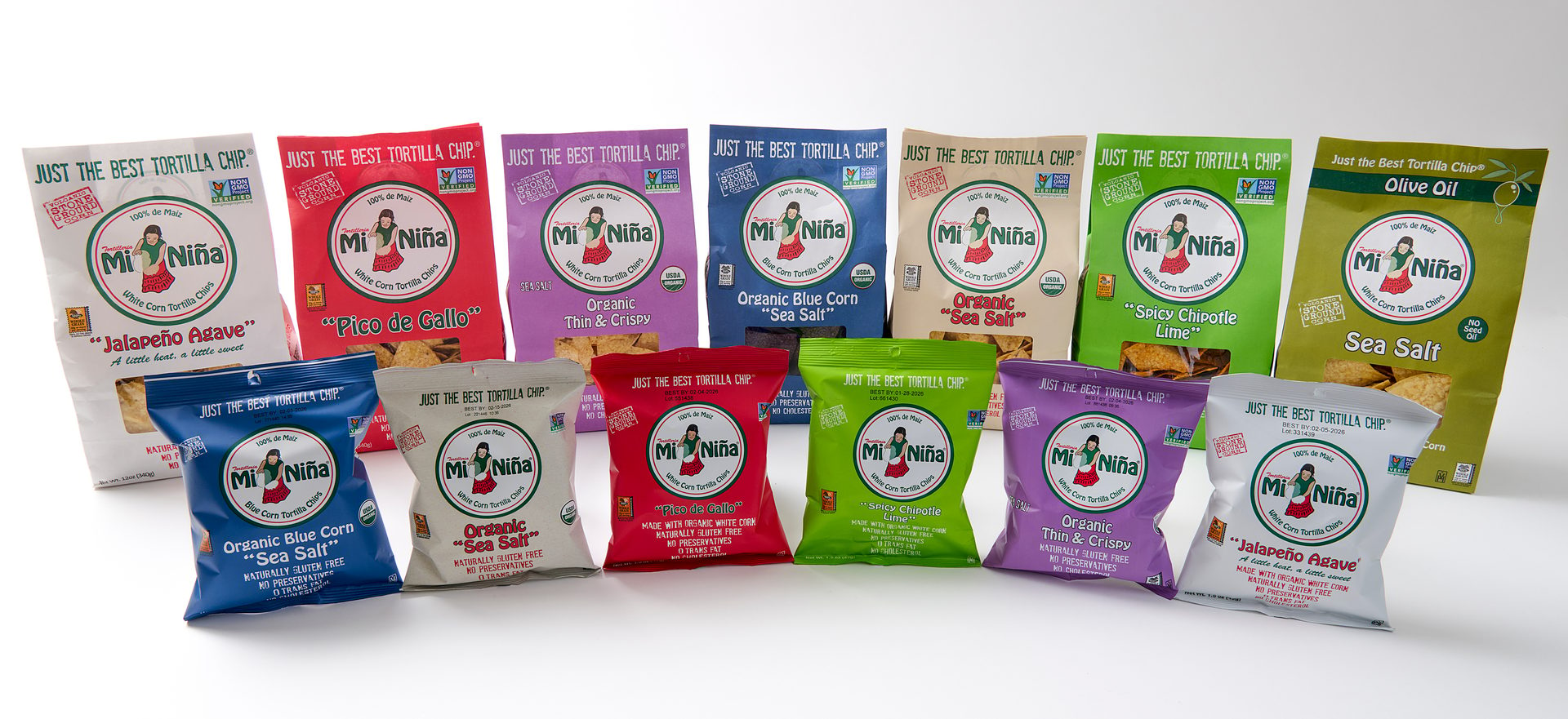
Mi Nina’s existing chip product lineup includes flavors like organic sea salt, organic blue corn sea salt, pico de gallo, jalapeno agave, spicy chipotle lime, and cinnamon churros. In 2026, the brand is adding a new line of organic thin and crispy tortilla chips, with a more delicate yet crispier texture that maintain familiar flavor and ingredients, in this case organic white corn and sea salt, Mammano reports. Mi Nina also launched sea salt tortilla chips made with olive oil, a non-seed-oil option.
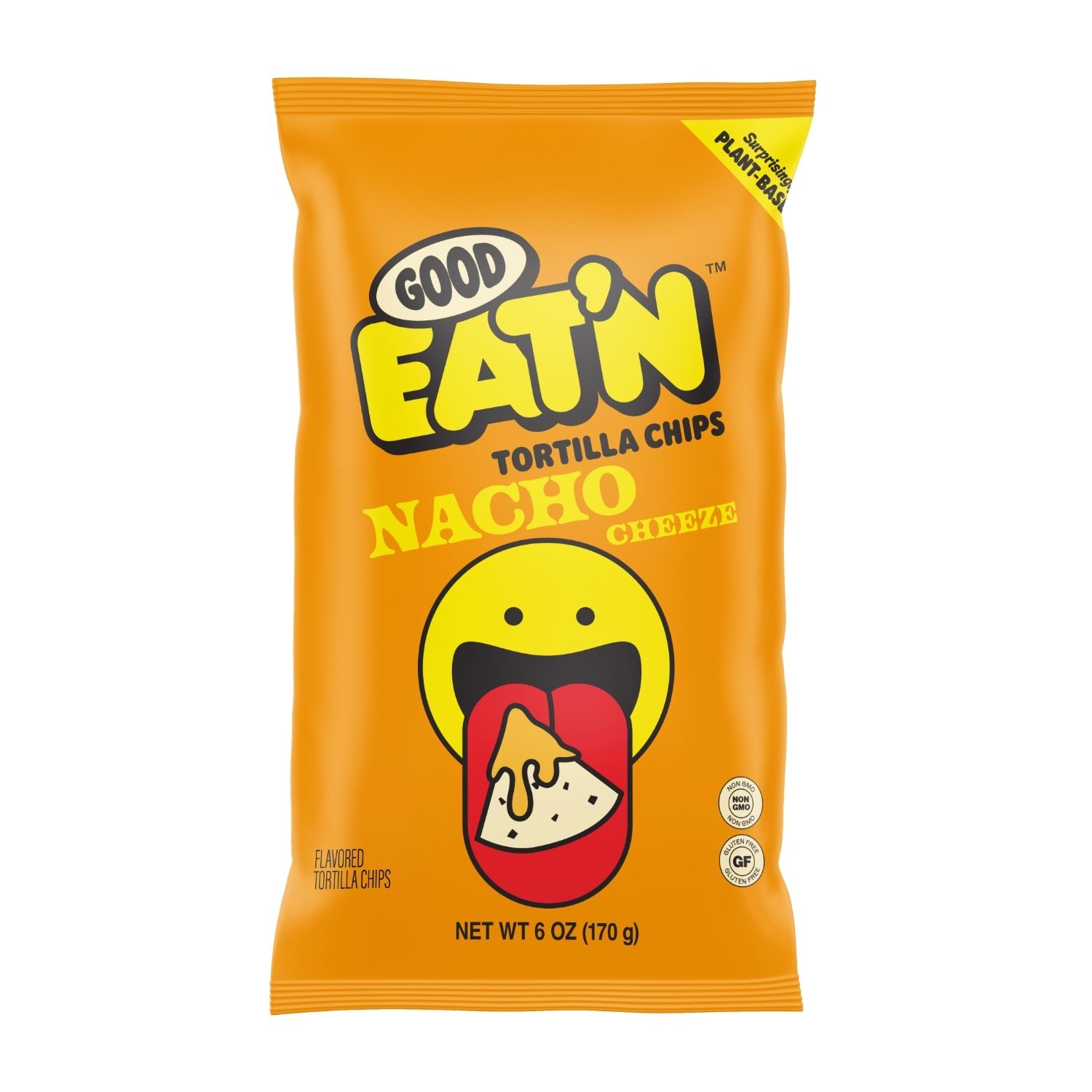
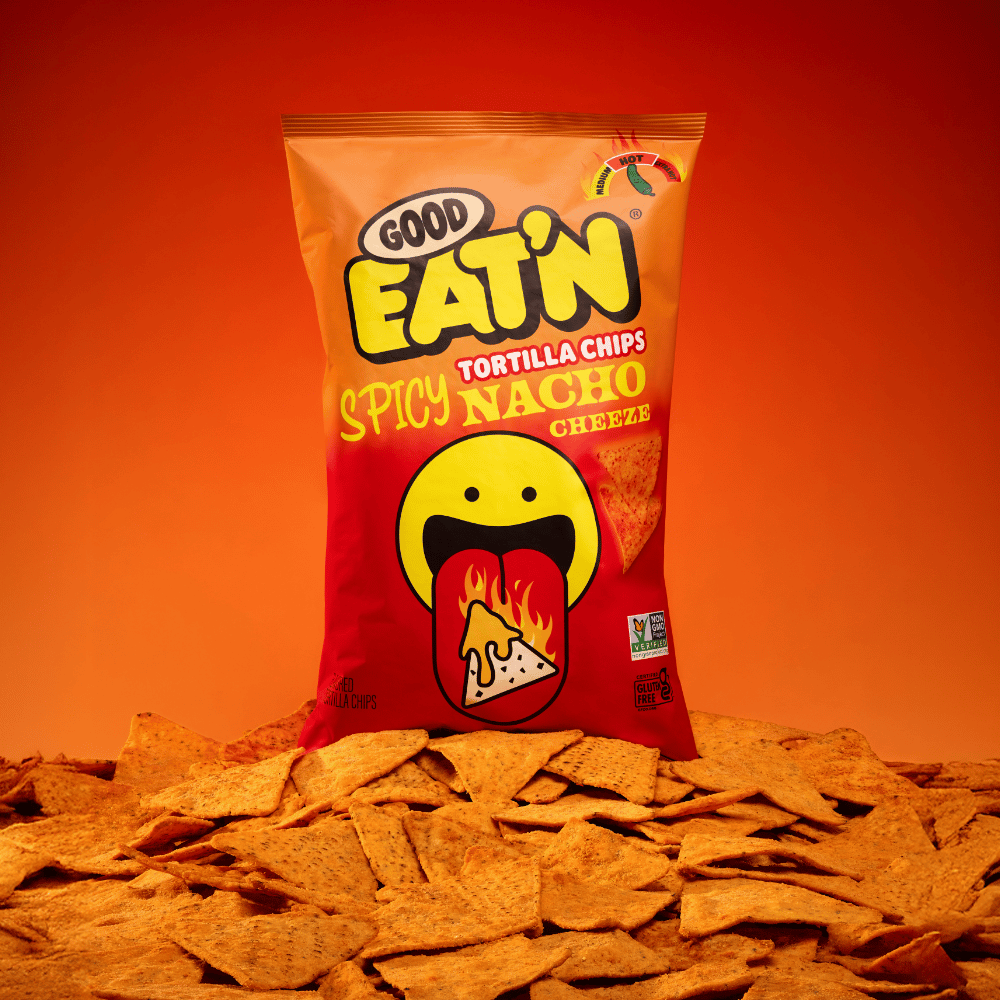
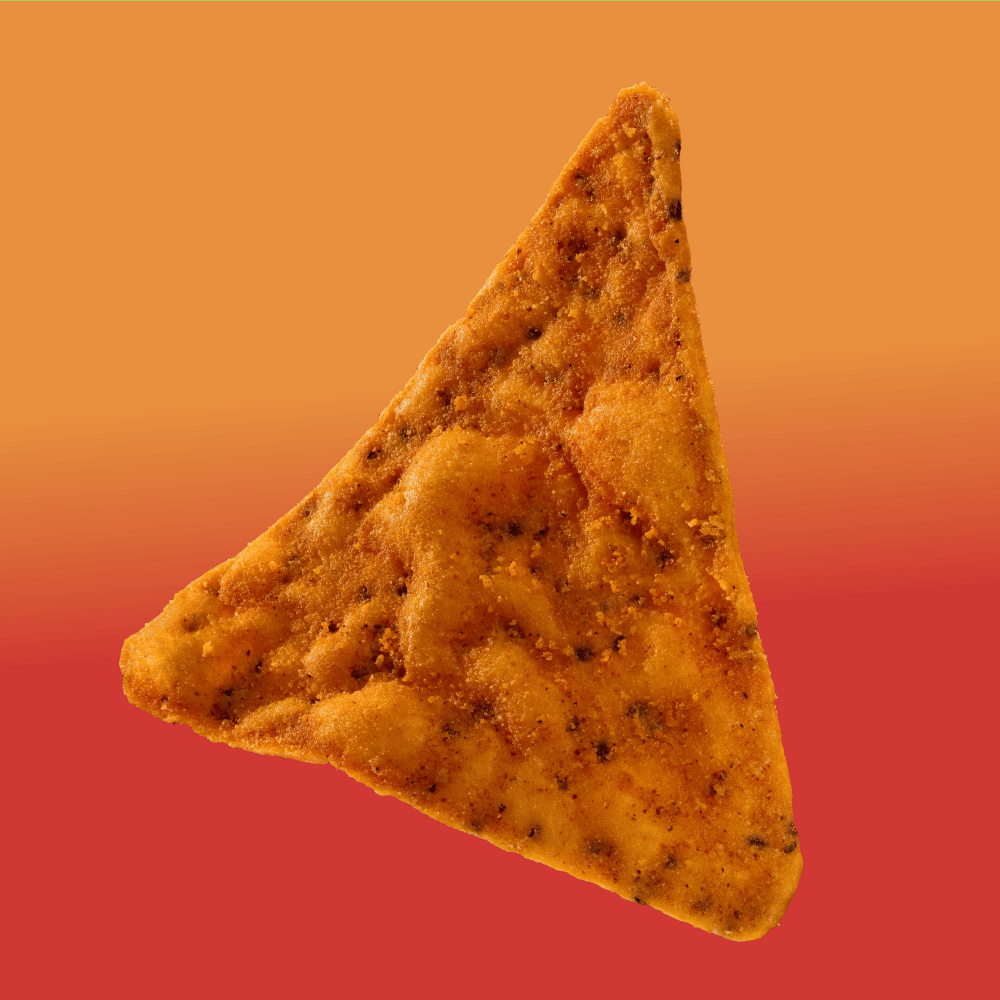
Good Eat’n has launched three new items in the tortilla chips category: Ragerz, which are rolled tortilla chips, in chile lime and sweet chile crisp flavors; and a new spicy nacho flavor for its flat tortillas line, made without artificial colors or flavors, “with a delicious crunch and plant-based. The spicy cousin to our fan favorite Nacho Cheeze tortilla chips,” Siler notes. “We partnered with WNBA Rookie of the Year Paige Bueckers to co-create the new delicious range” for the Ragerz.
In launching its Fan Foods and Poppowls branded tortilla chips and other snacks, Fan Foods has leaned into two main appeals: the fandom of movie characters with chips shaped like Darth Vader’s helmet, for example, rather than the typical triangular cut; and the “healthier, better-for-you” side of snacking with no preservatives, artificial flavors or colors, and high protein content, Rosenberg says. “We tried to create a product that’s healthy, fun and brings fandom out of the theater and into someone’s home,” he says.
Courtesy of Good Eat'n
To break into a crowded category as a new brand, Fan Foods has leaned into the movie tie-ins, Rosenberg says. “It’s easy to sell a bag of chips, but it’s not easy if you’re a newbie. We’re not just selling a bag of chips, or puffs or popcorn. We want to be part of storytelling,” he notes. “Anyone who can stand out in an increasingly crowded snack aisle has to keep innovation strong.”
Courtesy of Good Eat'n
Fluctuations in ingredient costs, packaging expenses and transportation costs are among the challenges that Mammano of Mi Nina has noticed.
“Competition within the snack aisle is also increasing, requiring brands to clearly communicate their differentiation and value proposition,” he states. “For premium brands, there is the ongoing challenge of maintaining high-ingredient standards while remaining accessible to consumers who are becoming increasingly price-conscious.”
Retail merchandising is the biggest challenge for the better-for-you tortilla chip segment, Siler says.
“Outsourced merchandisers are not in the stores frequently enough to maintain shelf integrity,” she muses. “I think we need an industry solution for merchandising in the better-for-you set.”
In addition, national retail launches, once very formulaic, are harder to plan for, Siler says. A brand might “plan for two cases per store for a pipeline fill, but now automated-demand-driven order patterns have more variables and challenges,” she notes.
Among the challenges Rosenberg of Fan Foods has seen in the category is the same one in many industries at the moment: costs and supply chain management, with fertilizer not only no longer arriving from Ukraine but also now stuck in the Strait of Hormuz, along with related pricing impacts on petroleum used in plastic, cardboard products and others.
Courtesy of Mi Nina
“We have to mitigate margins vs. innovation. We always have to look at that,” he says. “And then, fast-moving consumer tastes. We’re looking at protein—is it that healthy halo effect that we’ve seen happen [temporarily] in other things, or is it here to stay? That needs to be determined in the next 12 to 18 months on the consumer side.”
Looking forward
Looking forward, Mi Nina remains optimistic about the future of the tortilla chip category given consumer priorities around taste and versatility, Mamano states.
“We expect continued growth in premium offerings as consumers seek products that align with their values around ingredient quality, authenticity, and transparency,” he shares. “We anticipate continued demand for bold and globally inspired flavors, clean ingredient decks, and product that support at-home entertaining. … We also expect consumers to increasingly reward brands that have a genuine story and a clear reason for being. Authenticity is becoming harder to fake.”
Rosenberg of Fan Foods also expresses optimism for the category, especially for newer players like his brand. Leaning into a pun, he notes, “Whenever a category is stale, the consumer catches on to that. I definitely think we are the antithesis of that. We are very optimistic about consumer spending on this particular product. We’re core-committed to continuing on the better-for-you ingredient list. We’re going to look to expand to other product categories in 2027.”
Similarly, Siler says that she is “extremely optimistic that better-for-you from emerging brands will continue to drive growth in the category. I think we’ll see more shelf space dedicated to emerging brands, and a proliferation of flavor innovation. I think there is still a lot of runway for retailers to lean into modern snack brands in the same way they have with modern soda.”
Mammano expects cost pressures—especially regarding ingredients, labor, and transportation—to remain a reality for manufacturers in the year ahead.
“Brands will need to balance innovation with operational efficiency while continuing to meet consumer expectations around quality and value,” he advises. “The competitive landscape will also continue to evolve, making it critical for brands to stay connected to consumer preferences and deliver products that stand out in a crowded category.”
Rosenberg agrees that structural challenges related to cost and supply chain management will continue. “That’s going to be everybody’s biggest challenge,” he says. “That’s where people have to be careful. That’s the big unknown.”