

The BOTTOM LINE
- Manufacturers are focusing on textures and flavors
- Consumers are looking for protein options
- The category is open to innovation
Crunch factor
Despite a mostly stagnant year, the category is constantly reinventing itself with new flavors and formats.
Liz Parker Kuhn, Senior Editor
Chips are about as American as apple pie, and although the category didn’t grow much in terms of sales recently, producers are still experimenting with different flavors, proteins, and better-for-you formats in order to attract customers. Additionally, although shoppers are becoming more intentional about what they snack on, and how they spend their hard-earned money, they still want the crunch and savoriness of the snack, even those who are on GLP-1 medications.
CHIPS
STATE of the INDUSTRY

SPONSORED BY

HOVER OVER CHART TO SCROLL DOWN
Source: Circana OmniMarket™ Total Store View | Geography : Total US - Multi Outlet w/ C-Store (Grocery, Drug, Mass Market, Convenience, Military and Select Club & Dollar Retailers) | Time : Latest 52 Weeks Ending 05-17-25
Market data
The chips category was stagnant over the past year, according to Circana data from the past 52 weeks, ending on May 17, 2026.
The potato chips category as a whole took in $11.7 billion, with leaders including Frito Lay, which brought in $6.4 billion with a 1.3% decrease in sales; Kellanova (now owned by Mars) with $1.5 billion and a 2.5% decline; and private label, with $1.1 billion and a .8% drop.
Most of the category unfortunately suffered a decrease in sales, with the exception of Inventure Foods Inc. ($232 million, a staggering 126.1% increase); Herr Foods ($191.9 million,a 14.6% uptick); and Barcel USA ($116.2 million, 5.9% growth).
The apple chips category took in $23.8 million and grew by a healthy 19.2%. Bare Foods took the crown, with $14.5 million in sales and a 44% uptick, and private label followed, with $3.7 million and a 31.5% increase. Seneca Foods rounded out the top three, bringing in $2.3 million, but experiencing a 10.1% decline.
Looking back
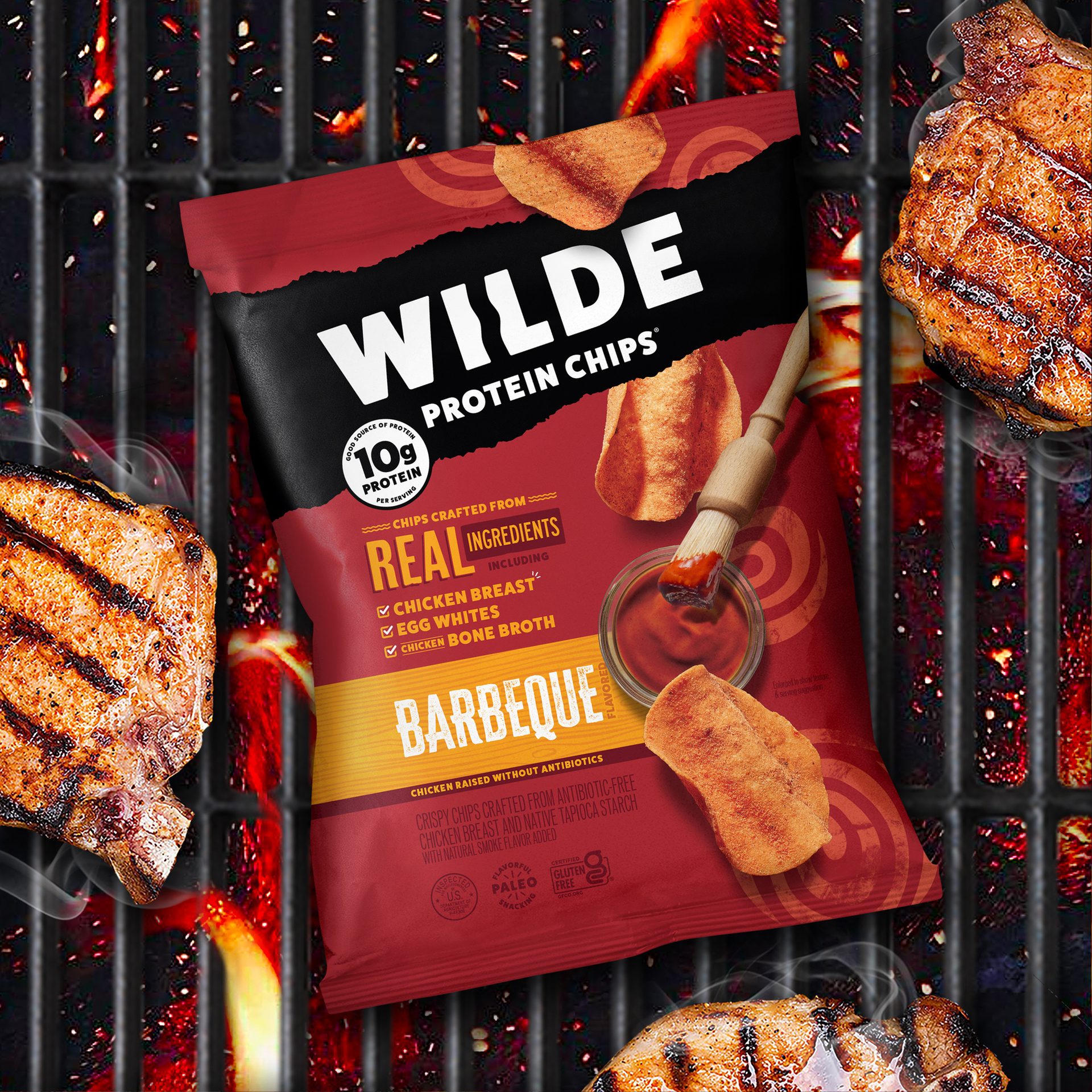
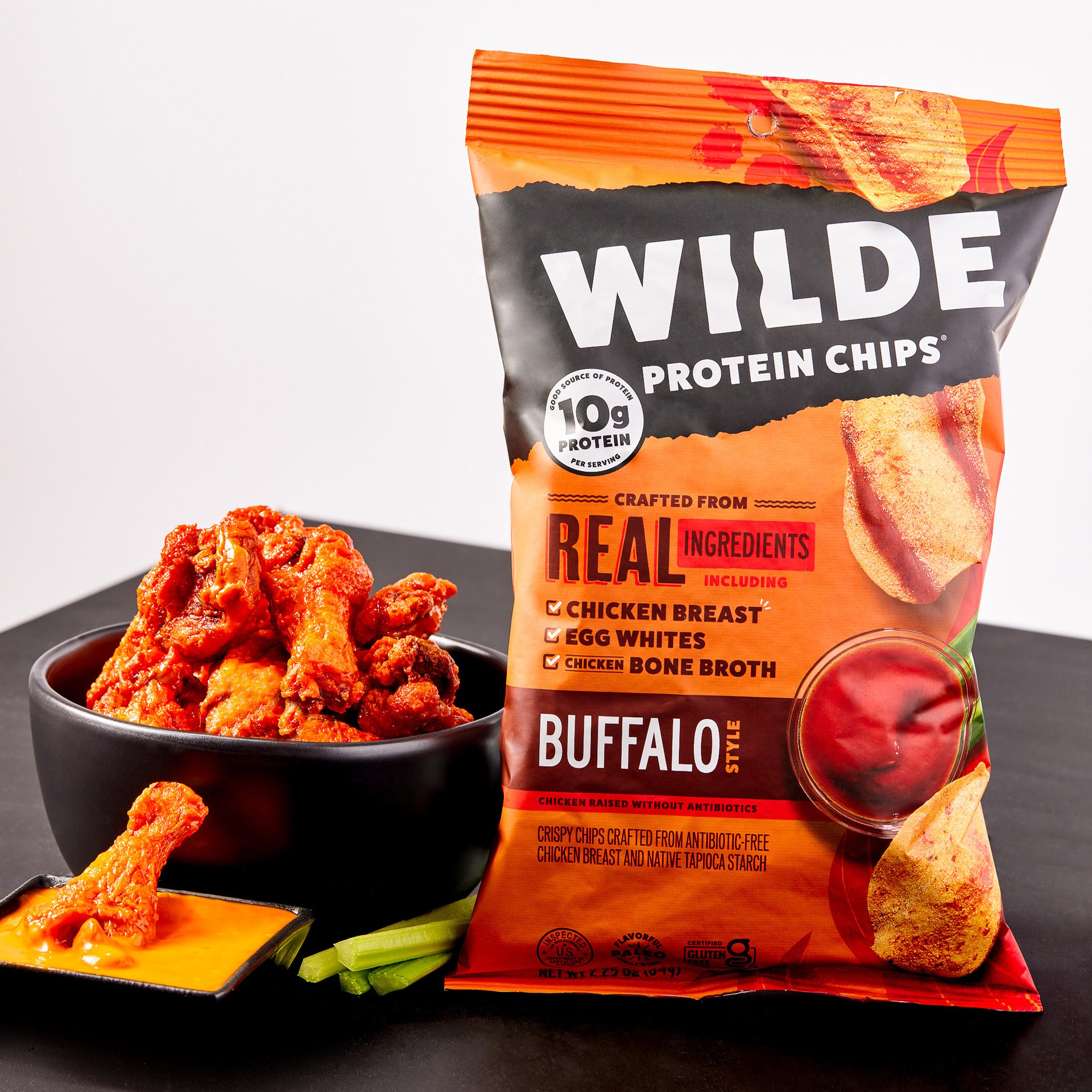
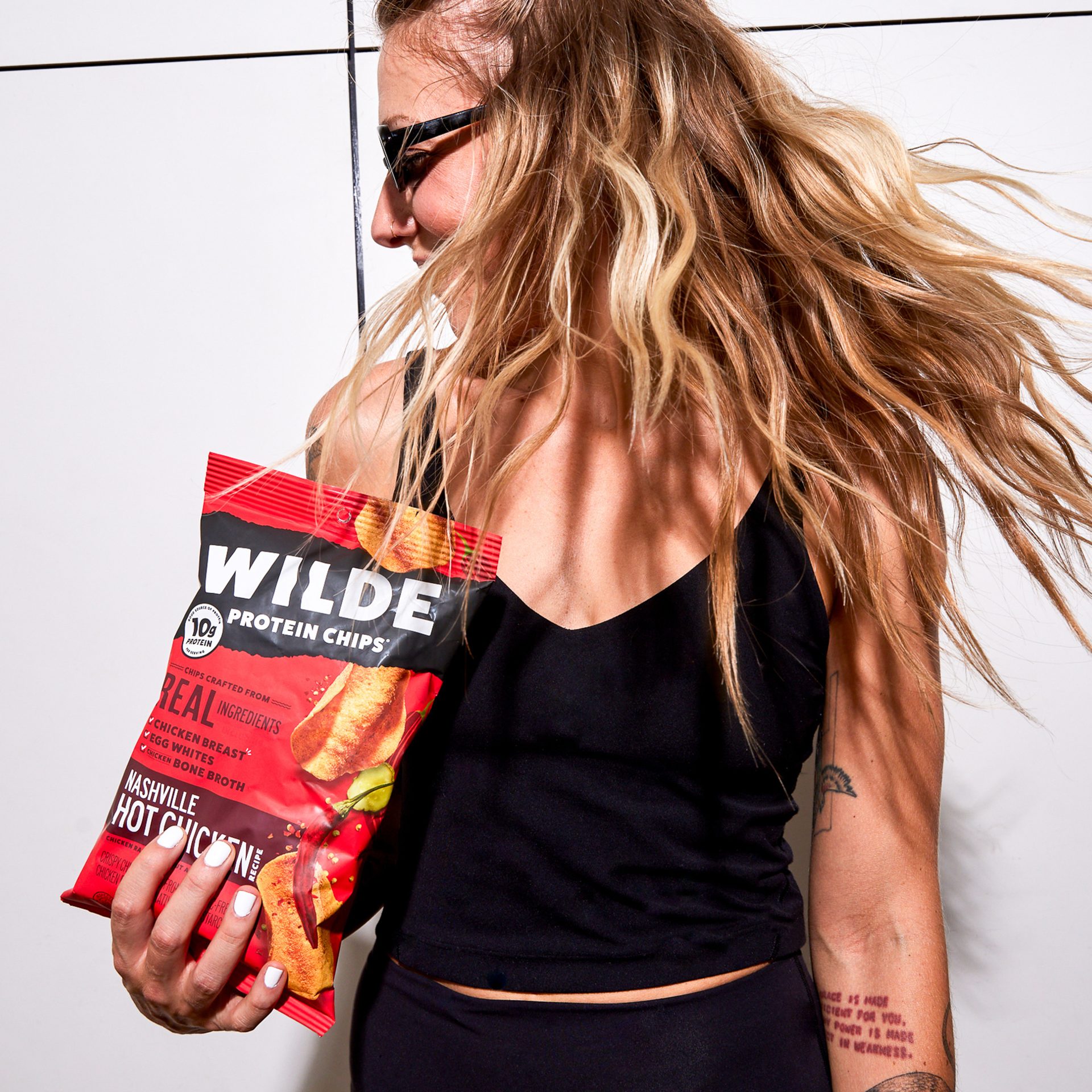
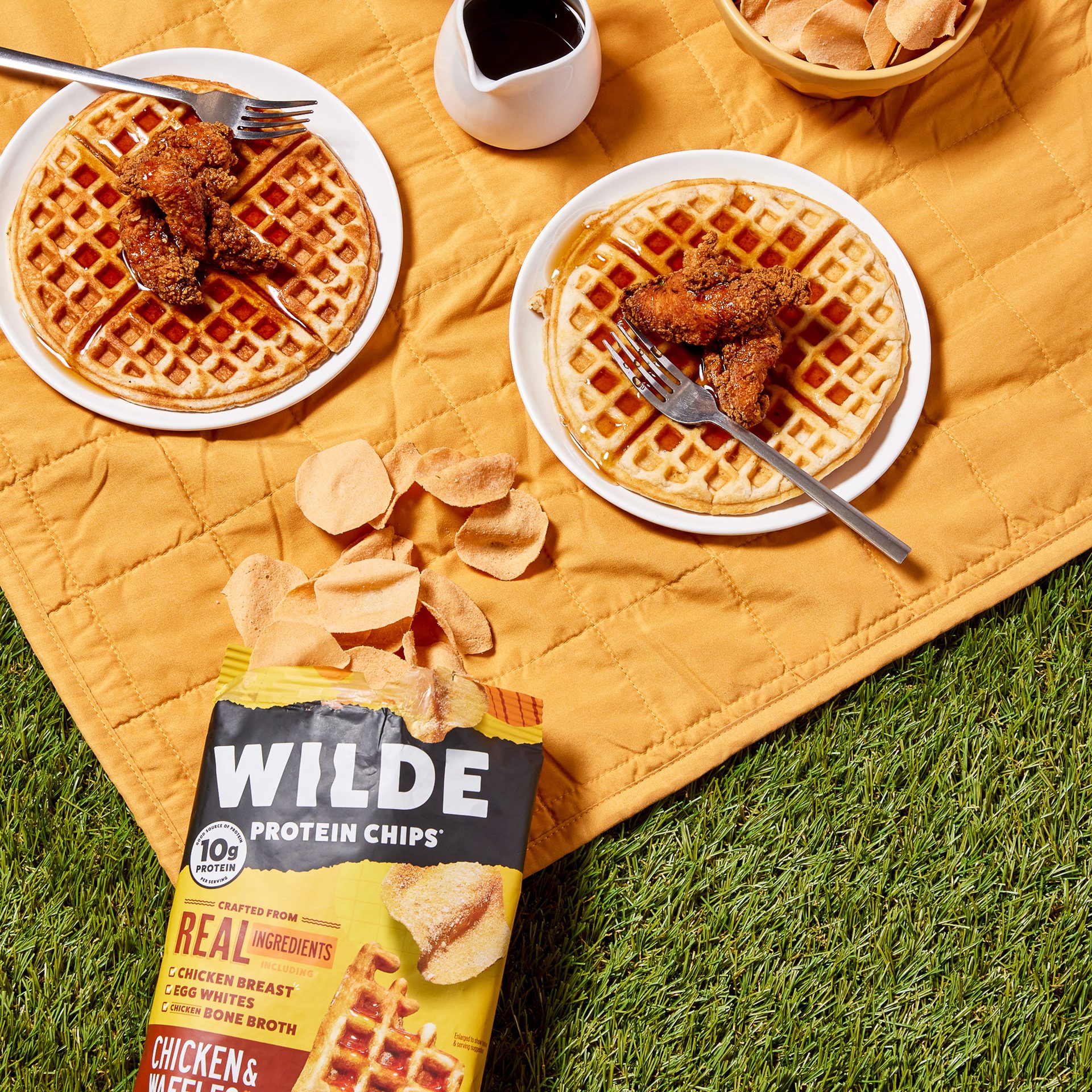
“Consumers are becoming more intentional about what they snack on but still want chips that deliver the texture and flavor that makes snacking worthwhile,” says Jason Wright, founder and CEO of Wilde. “Ultimately, taste still leads every purchasing decision, which is the foundational metric that we stick to at Wilde. If it’s not something you’re going to reach back for more of, it’s not worth it.”
“Protein and general functionality continues to be a main undercurrent in the category, with legacy players coming out with protein-fortified versions of their offerings,” he continues. “That said, most brands are pumping protein into their existing chip format via whey or pea protein baked in or added on top. Wilde starts with protein as the first ingredient—all-natural chicken breast—and builds from there.”
Courtesy of Wilde
The past year included the release of many protein-laden snacks—for example, Quest Nutrition added Dill Pickle Original Style Protein Chips to its lineup in April, its first new Original Style chip flavor in more than 10 years. Additionally, Khloe Kardashian’s Khloud brand debuted Protein Chips, expanding its product line past popcorn.
Courtesy of Vilore Foods
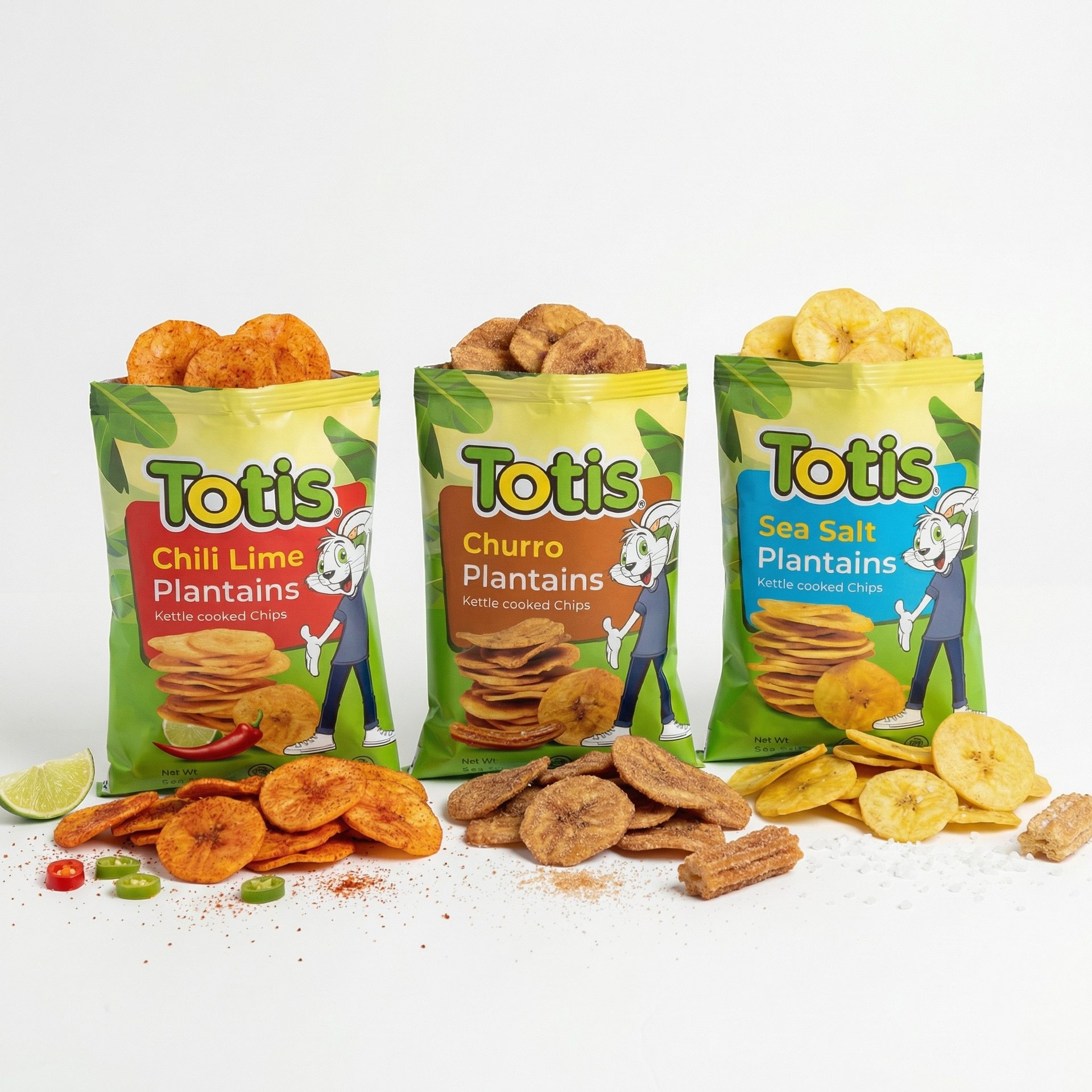
Edgar R. Vargas, growth director at Vilore Foods, notes for the company’s Totis brand, known for its potato chips and cheese puffs, it was a foundation-building year: “We saw health trends (i.e gluten-free, clean label) and bold, authentic flavors like Chili-Lime, Habanero, Chamoy drove the most meaningful consumer shifts. Some of the challenges we've seen, especially for smaller brands, included input cost inflation and trade spend competition.”
In April, the company launched Totis Kettle Cooked Plantain Chips in three flavors, including Sea Salt, Chili Lime, and Churro. The chips are gluten-free, vegan, and non-GMO. Additionally, the Churro flavor is notable as it has no real direct competitor on shelf, according to Vargas.
Courtesy of Wilde
International flavors have been hot this year: in late April, Lay’s introduced LTO globally inspired chips, both in the U.S. and other countries. The American flavors included Argentinian-Style Steak with Chimichurri, Brazilian-Style Garlic Sauce, and French Onion Soup. The global flavors ranged from Canadian Maple Caramel, to English Bangers and Mash, to Mexican Tacos, plus more.
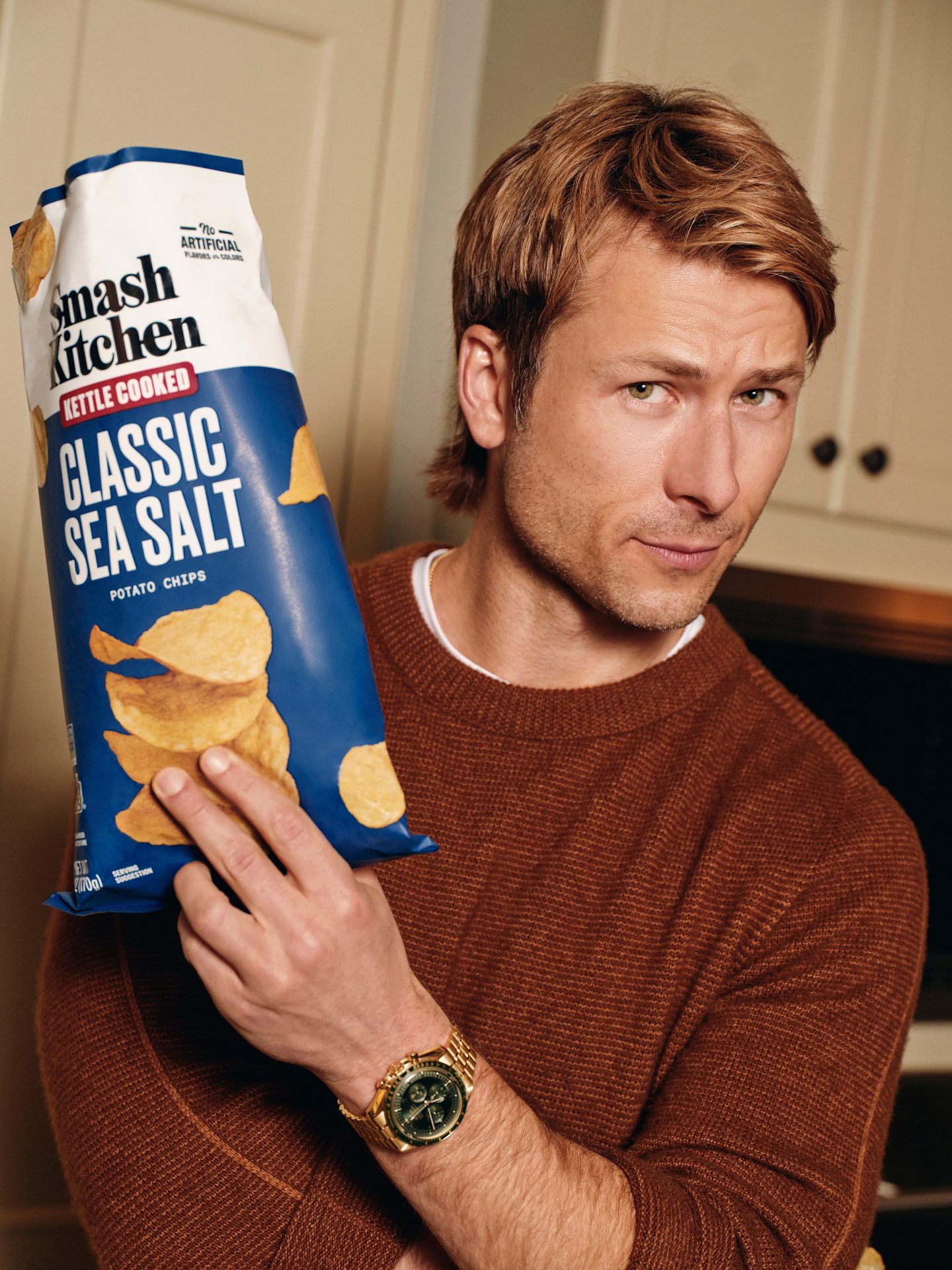
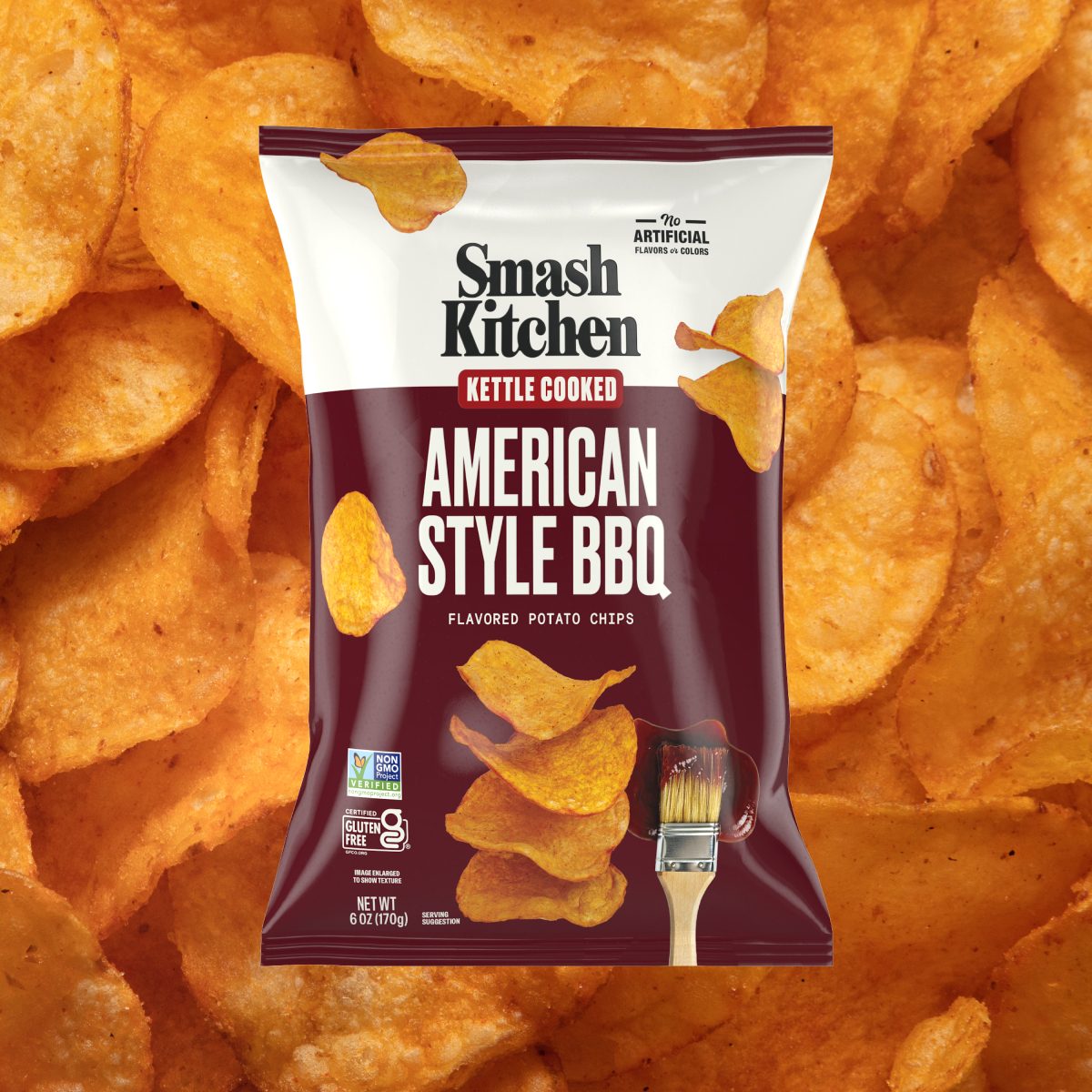
Sameer Mehta, CEO and co-founder, Smash Kitchen (a BFY brand co-founded by actor Glen Powell), says while the company’s salty snacks line only launched earlier this year, the brand has been encouraged by the strong consumer response.
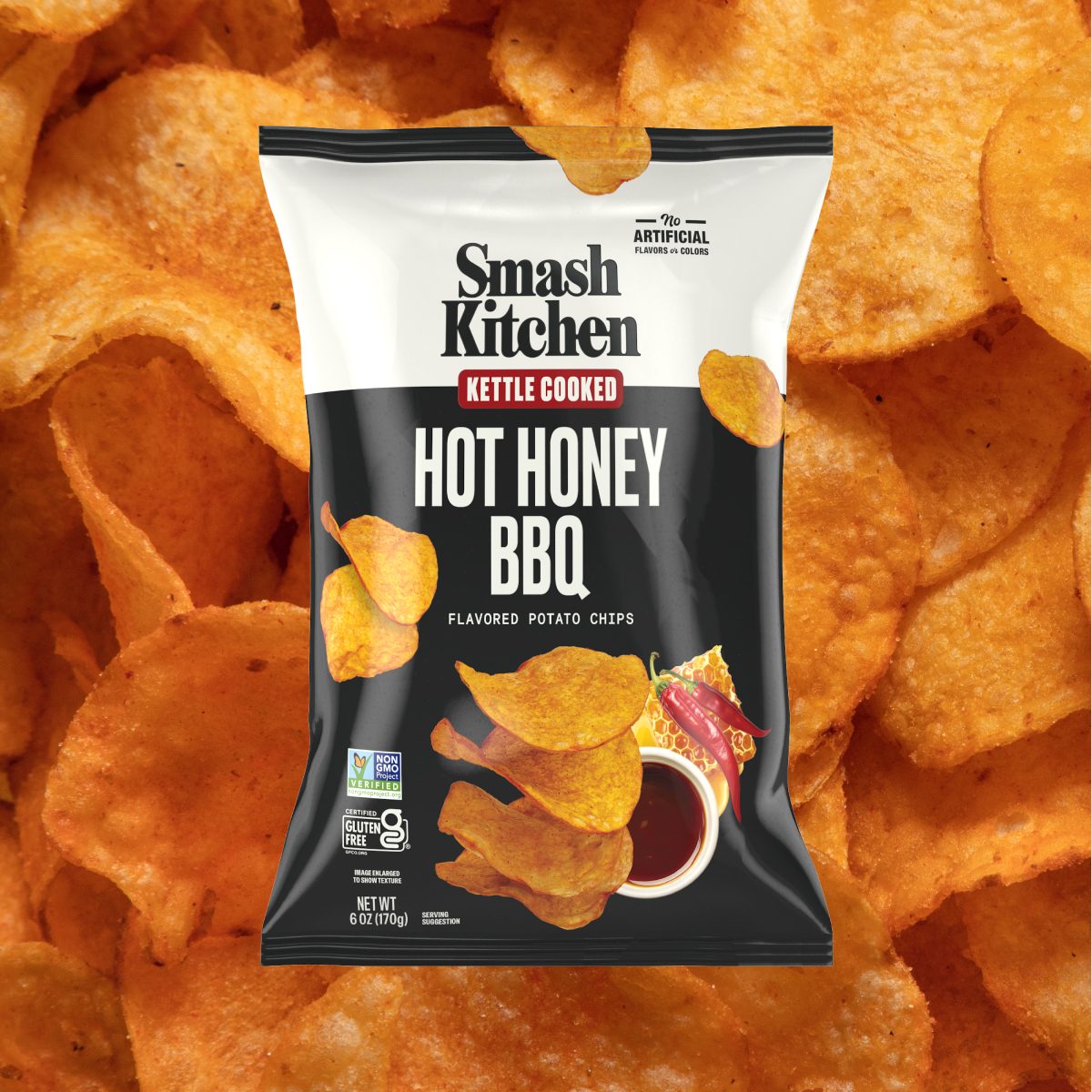
“We're seeing continued demand for snacks that deliver great taste while being made with recognizable, higher-quality ingredients. Among our lineup, flavors like Rosemary and Hot Honey BBQ Kettle Chips have resonated particularly well,” he shares. “More broadly, consumers continue to seek out snacks that feel indulgent while aligning with their desire for simpler ingredients and products they feel good about serving their families. We believe that balance of flavor and ingredient quality will continue to shape the category moving forward.”
Looking back
According to Eliza Coteng, director of innovation marketing for Mars Snacking Away From Home, “Over the past year, the bakery and snack landscape has remained resilient despite ongoing pressures like labor challenges and rising costs. What’s been encouraging is continued consumer demand for snacks that deliver both enjoyment and purpose.”
Danielle Benjamin, senior director of brand management for Flowers Foods’ Dave’s Killer Bread portfolio, says BFY snacking interest is “a bright spot of growth across the grocery sector, fueled by evolving consumer expectations and snacking habits.”
“We’re seeing strong momentum in formats like bars and bites, where convenience meets functionality and taste, she continues. “Ultimately, the growth is being driven by consumers—people are snacking more often and actively seeking snacks that deliver the full package of great taste and meaningful nutrition.”
Courtesy of Smash Kitchen
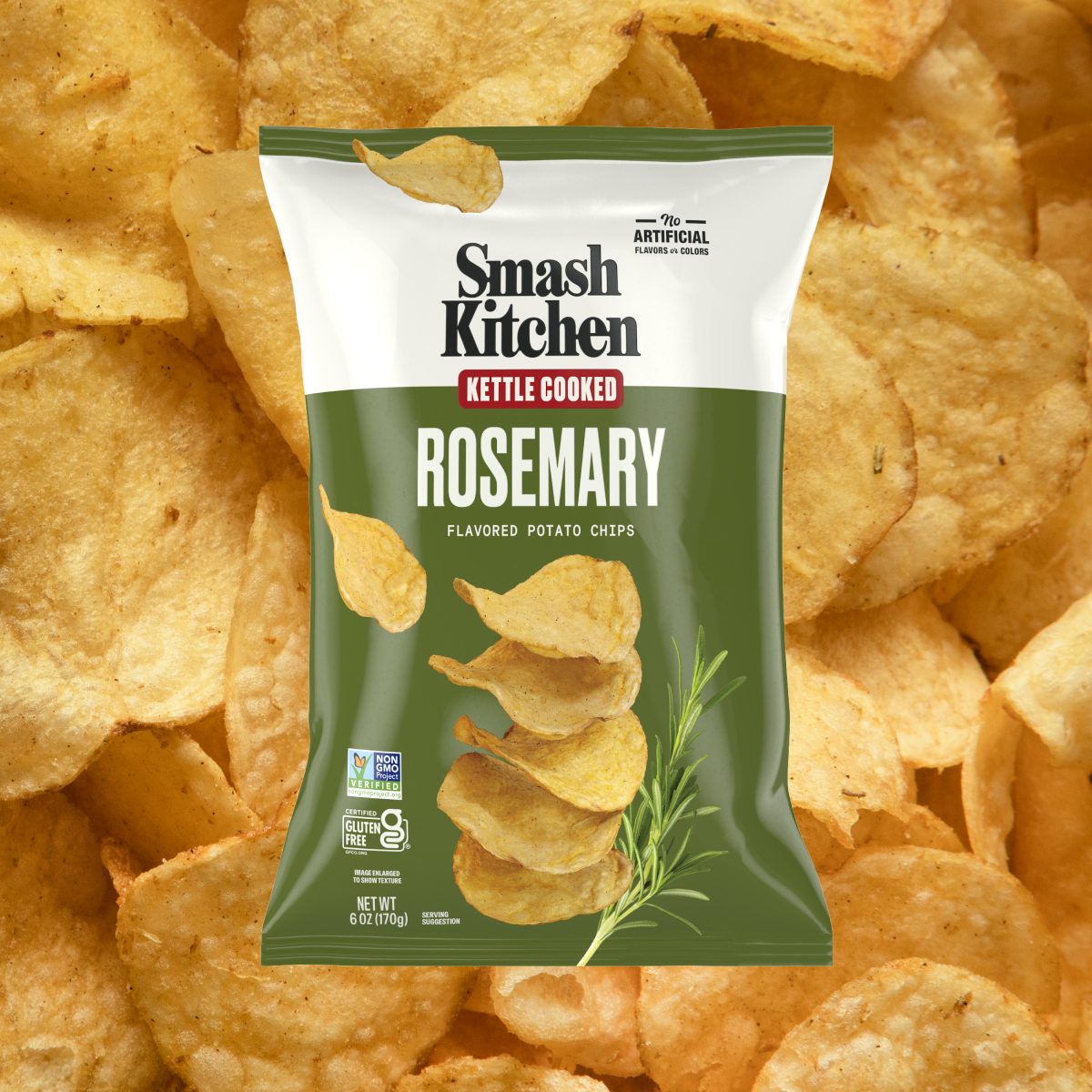
Courtesy of Smash Kitchen
Trend-wise, protein-forward snacking will absolutely continue growing, Wright believes. He’s also betting that consumers continue to become more knowledgeable and curious about what they’re eating, and in turn shine the mirror back on the brands they’re patronizing to expect ingredient transparency and quality.
However, one of the biggest challenges faced within the functional chip category—protein specifically—is the ongoing whey protein shortage and the pressure that’s creating throughout the supply chain, he specifies.
“Many brands rely heavily on whey isolates and concentrates, so supply constraints and rising costs are forcing companies to rethink pricing, sourcing, and formulation strategies,” Wright explains. “Because we create snacks from real protein sources and own and operate our manufacturing from start to finish, we’re not facing these same shortages and risks.”
“We believe the future belongs to brands that can deliver ingredient quality, great taste, and value simultaneously.”
— Sameer Mehta, CEO and co-founder, Smash Kitchen

Vargas is cautiously optimistic about the future, noting he believes mainstream commodity formats will likely stay soft, but specialty, multicultural, and better-for-you platforms have a clear runway.
“Some of the trends we expect to keep building momentum include bold global flavors, certified claims (i.e. non-GMO), and family/multi-size value formats,” he adds. “We foresee the biggest challenge being trade spend inflation. As large players defend share, they flood the market with promotional support that makes it harder for emerging brands to compete for display and feature activity without similar budgets.”
We’re at an interesting moment in food, Mehta notes, in that consumers care more about ingredients than ever before, but they also aren't willing to sacrifice taste or pay a significant premium.
“At Smash Kitchen, we've built the brand around the belief that families deserve products made with ingredients they can feel good about at prices they can actually afford,” he relates. “Delivering on taste, ingredient quality, and value has been our focus from day one, and we believe that's where the industry is headed as well.”