Packaging equipment
Tech & Techniques
The BOTTOM LINE
- Automation and other ease-of-use features can ease labor concerns
- Flexibility is a key concern in the face of ever-changing consumer demands
- Suppliers recommend seeing tech in person before buying
Packaging particulars
When selecting such equipment, snack and bakery producers prioritize flexibility and automation.
Ed Finkel, Contributing Writer
Automation, flexibility, sustainability, intuitive interfaces, smaller footprints, and consistent uptime are among the features and benefits most top of mind for snack food and wholesale bakery companies looking to purchase new or improved packaging equipment.
Changing gears
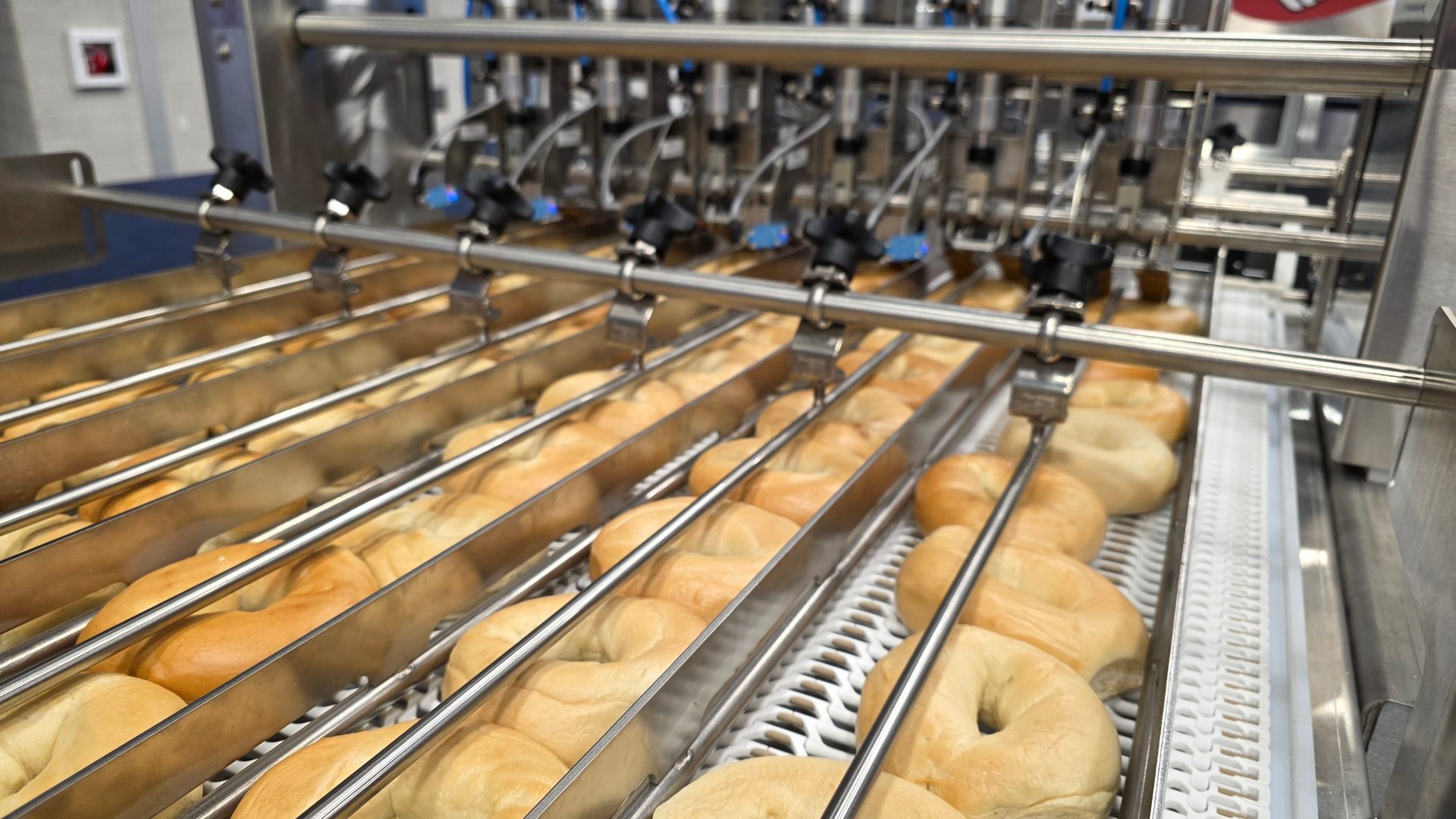
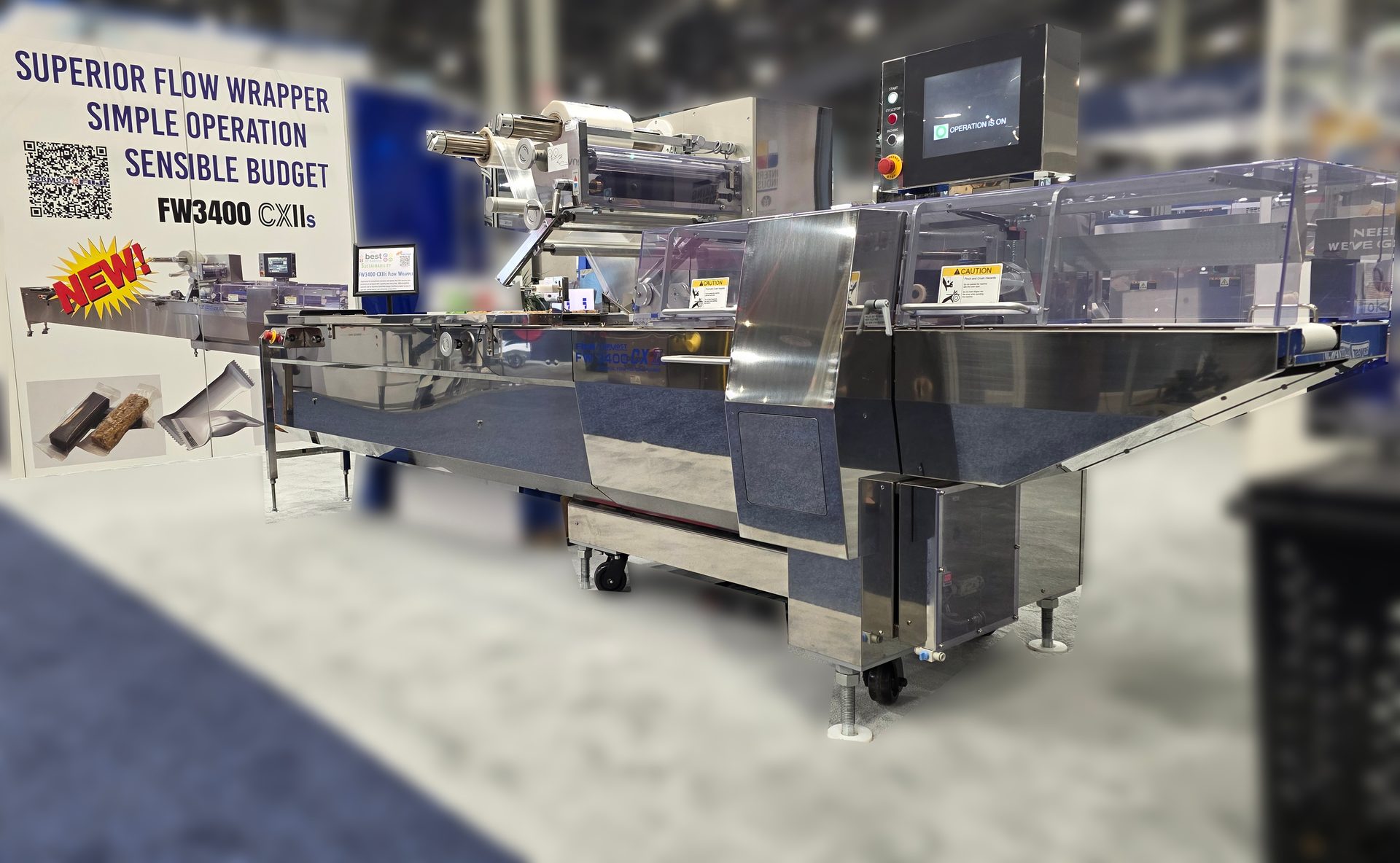
In the years since the COVID-19 pandemic, customers of Formost Fuji Corp. have swung “back to normal,” and away from wanting intensely layered packaging that ensured nobody touched the food inside, but they’re also questioning whether back to normal necessarily means doing things the way they’ve always been done, according to Dennis Gunnell, president.
“We’ve always packaged this product, this bread, this baguette, this way. But is there a new, better way?” he asks. “We’re getting feedback that, ‘We want to look at something a little different.’ I’m seeing a mindset that we didn’t see prior to COVID.”
Gunnell also has seen a swing back toward sustainability after the pendulum swung away from it during COVID, although customers are less zealous about it than in the before-times.
“There’s a lot of things that have to go into a package so that it’s sustainable,” he shares. “There are products out there that we don’t have the capability to make at a quantity and price point that really suits the market, but people are looking at, ‘What are my options?’”
Courtesy of Formost Fuji Corp.
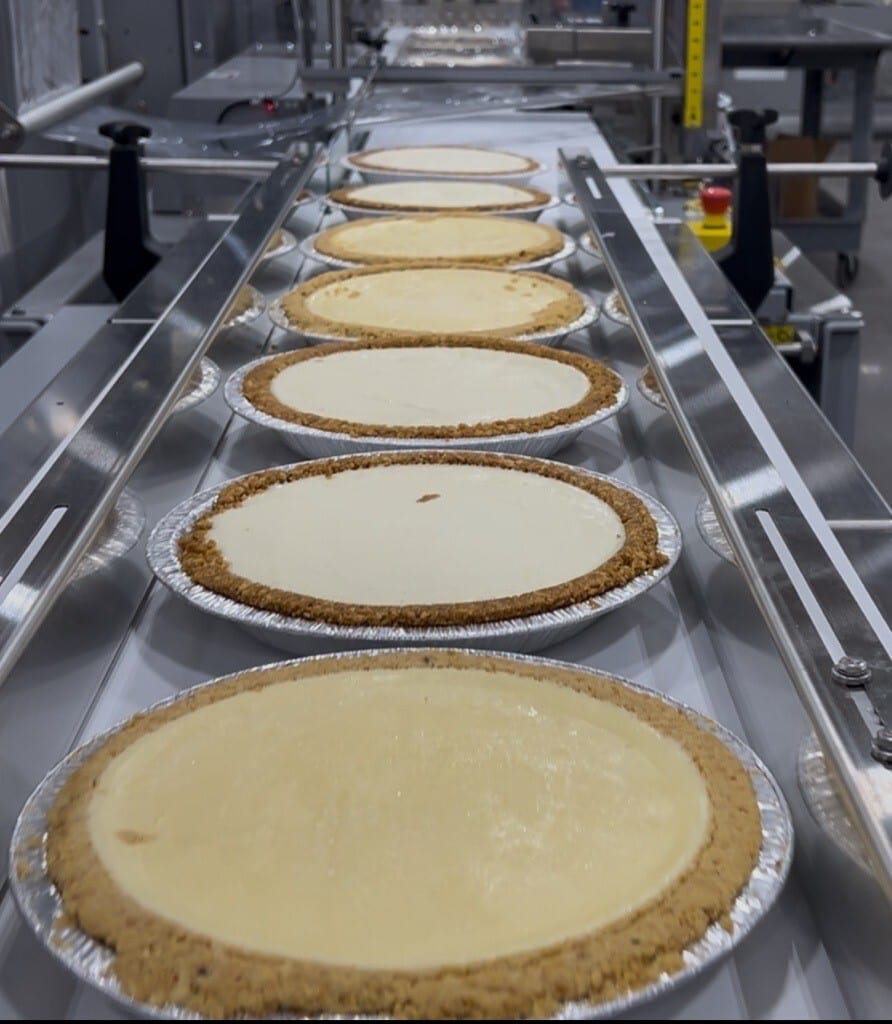
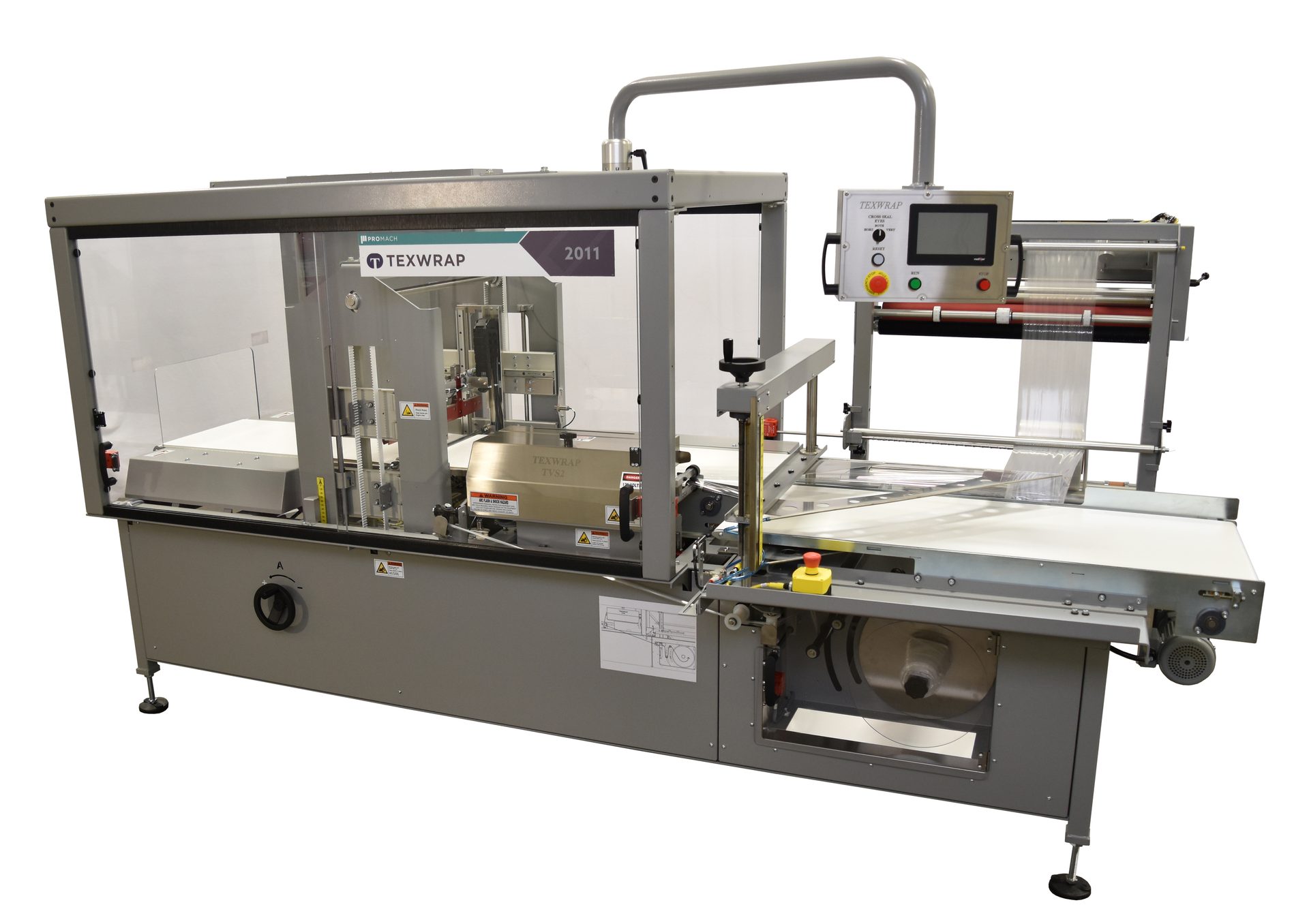
David Nettles, director of business development for Texwrap, a ProMach company, notes his customers more than anything want their packaging machines to be smarter and easier to use, given challenges with hiring, training and retaining labor.
“Invariably, they train somebody on the machine, and that person won’t show up one day,” he says. “Not only does automatic changeover reduce the labor, and reduce the time it takes to change over, but secondly, they know it’s been done correctly.”
In addition, different shifts sometimes run the machines in different ways, and automation makes this consistent and repeatable, Nettles observes.
“Only one is the best way,” he says. “In terms of the types of products they’re making, they’re trying to make fewer products with longer runs. The thought is that it will be more profitable for them to run. Thus, the need to focus on minimizing their labor.”
Courtesy of Texwrap
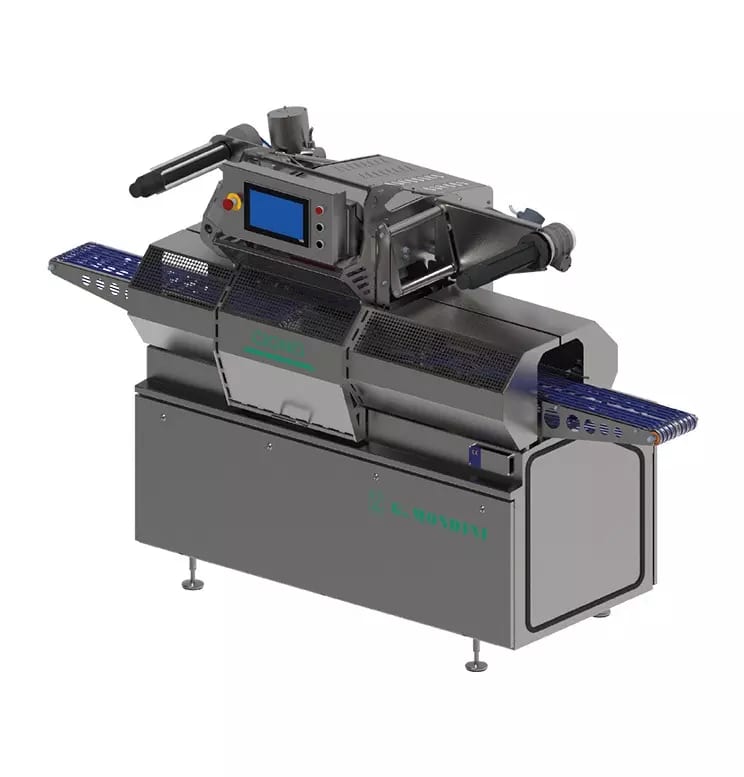
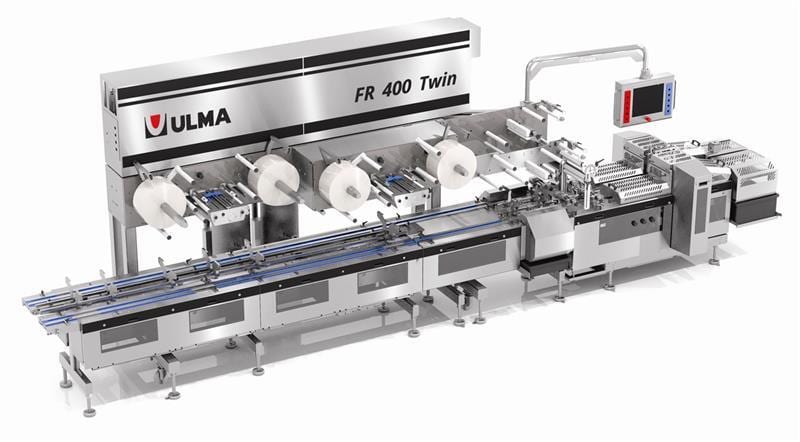
Harpak-Ulma Packaging has been getting more requests for modified atmosphere packaging for fresh bakery product that otherwise has a short shelf life and would need to be frozen, according to Josh Becker, bakery and confection segment manager.
“Products that don’t trap a lot of oxygen—pretzel bits, cookies, things with a crust—could go into a modified atmosphere package and avoid the freezer process,” he shares. “There could be savings in not having to go through the cold chain.”
Courtesy of Harpak-Ulma Packaging
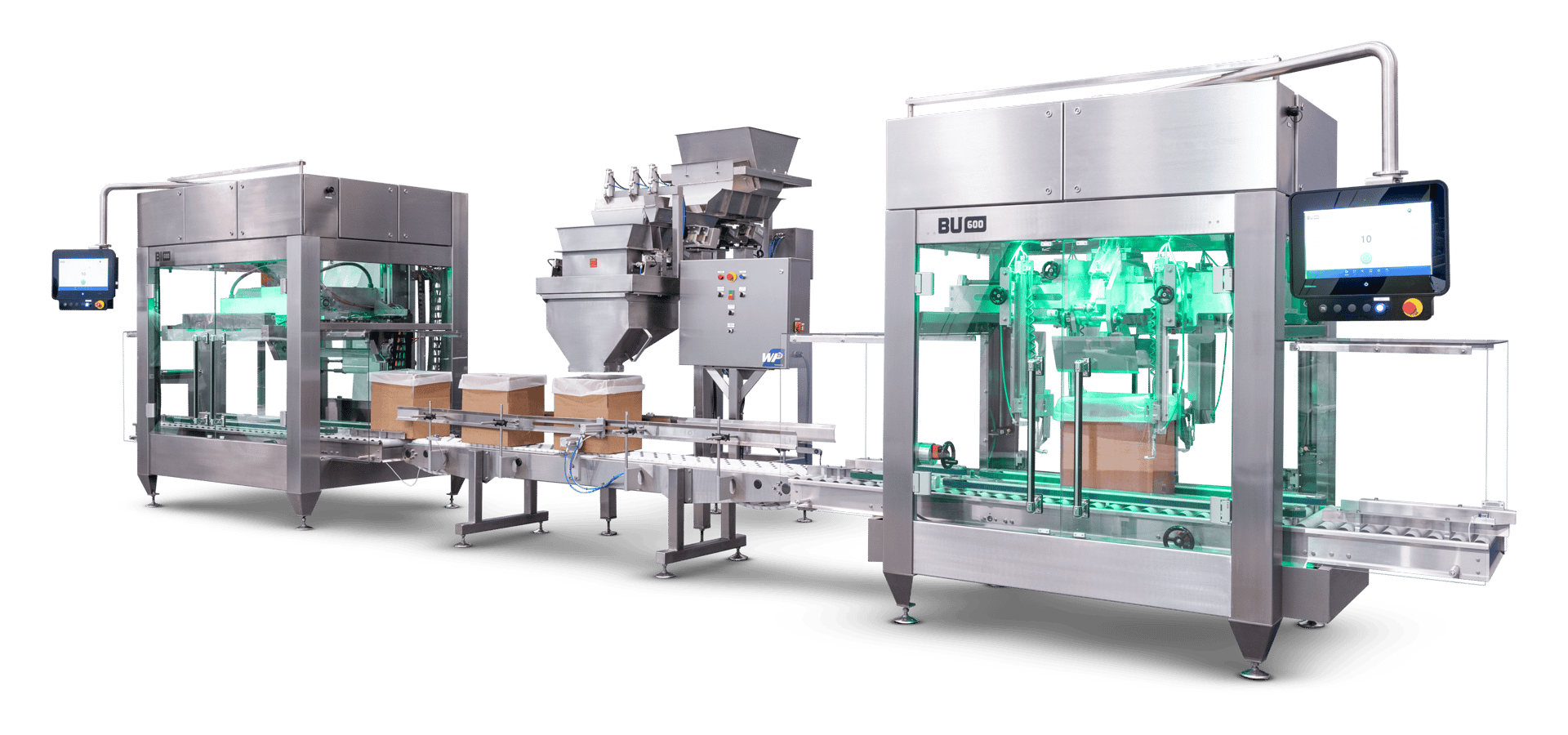
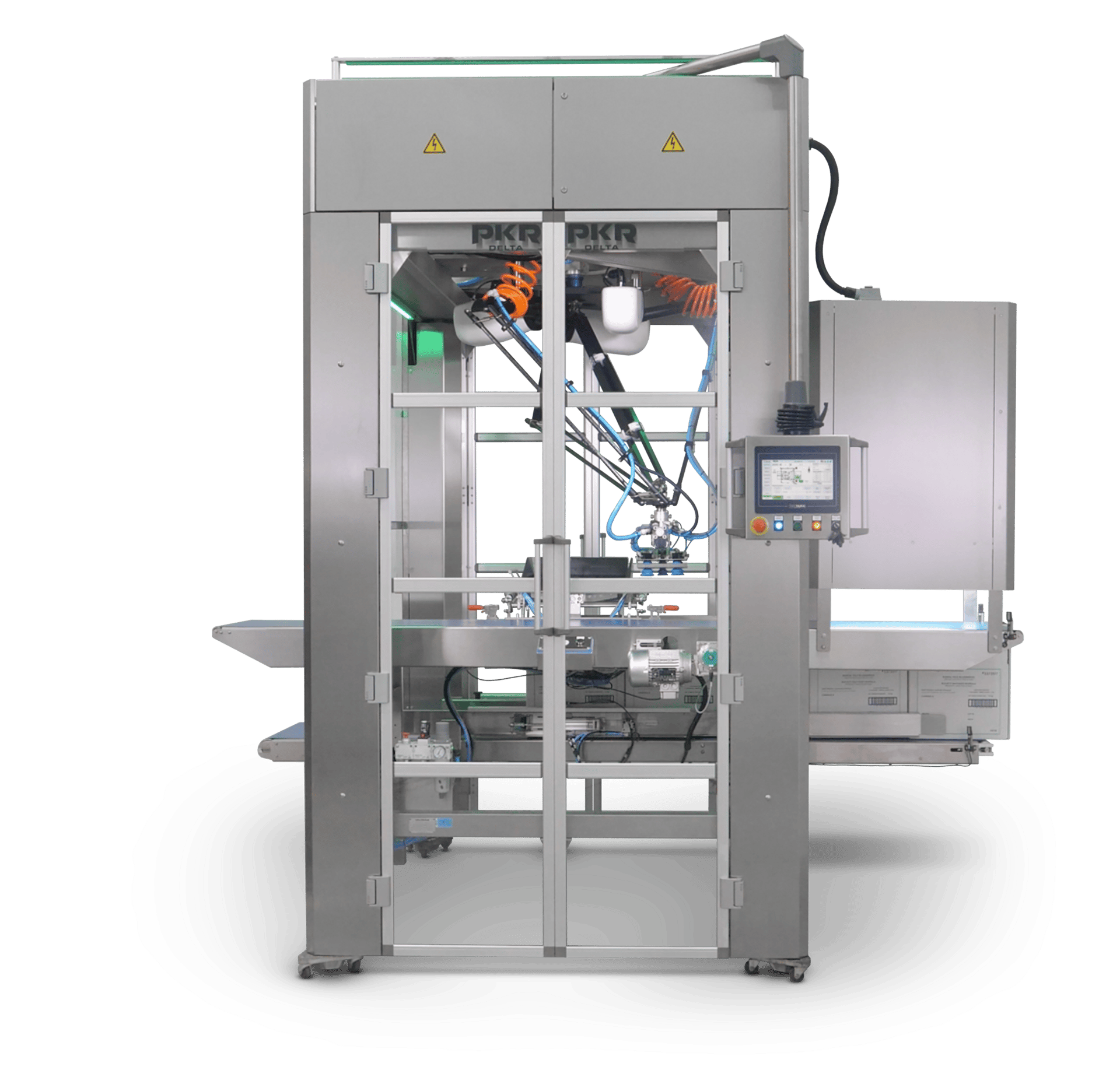
Customers of Paxiom are increasingly tight on space and want to know how they can reduce the footprint of a packaging machine to make it smaller or slimmer without compromising performance, says Luis Pilonieta, director of sales, adding they also are focused on how to make technology more intuitive, with simpler interfaces so that engineers or programmers aren’t needed to operate it.
“We’re using AI to tell us more about the equipment,” he says, such as alerts that a filling bag, for example, is reaching the end of its lifecycle and should be replaced.
Courtesy of Paxiom
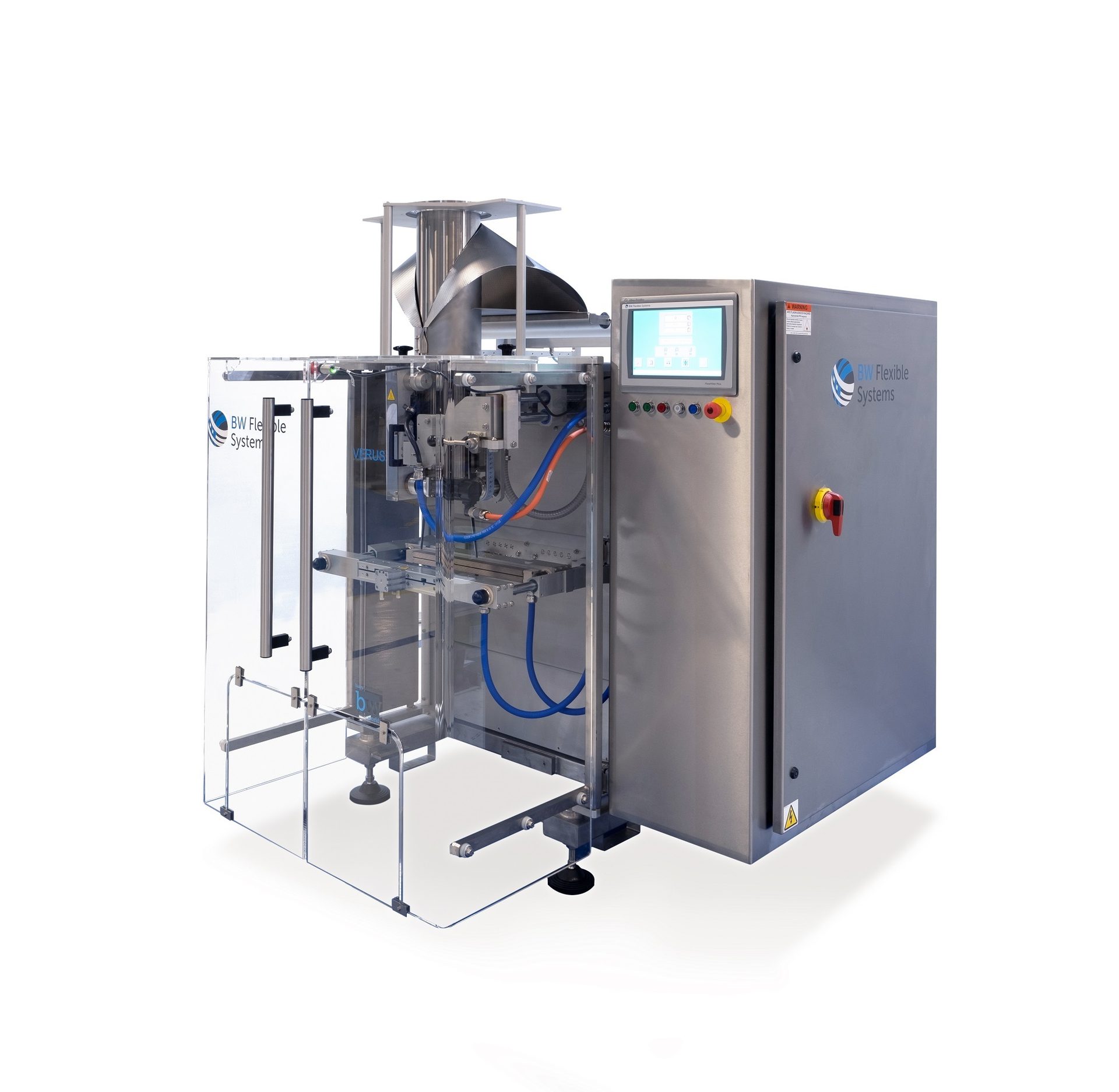
Brantley Turner, senior product manager at BW Packaging, says his customers are focused on uptime. “People are trying to figure out how to keep running, stay running, with faster changeovers,” he reports. “How do you switch format quicker and switch sizes quicker?”
What’s more, Turner says ease of use is a related, common refrain: “How do we make it really obvious and simple when doing a changeover, setting up a new product size, things like that. How easily can you make those bags day-in and day-out, with a variety of operator experience levels?”
Courtesy of BW Packaging
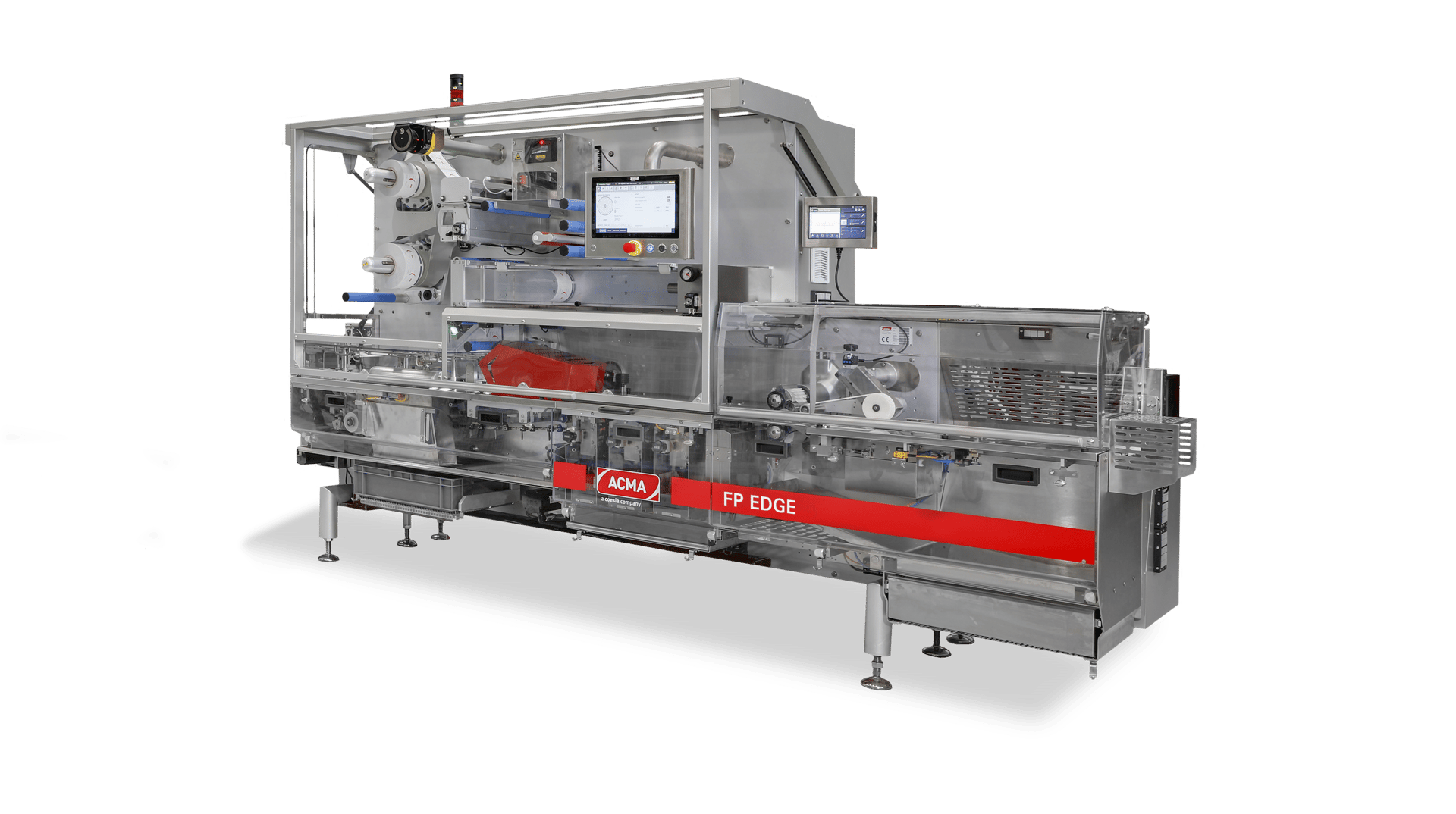
The team at ACMA, part of the Coesia group of companies, hears desires for higher productivity with the smallest possible footprint, as well as how digital systems manage data, according to CEO Daniele Ponzinibbi.
“There’s been a big shift from thinking about purely mechanical solutions and processes to a hybrid approach,” he observes. “How we collect and manage data to improve the overall productivity of the plant. And flexibility—the customer wants more variety of product and needs to have packaging technology that allows moving from multiple types of different shapes and packaging styles.”
Courtesy of ACMA
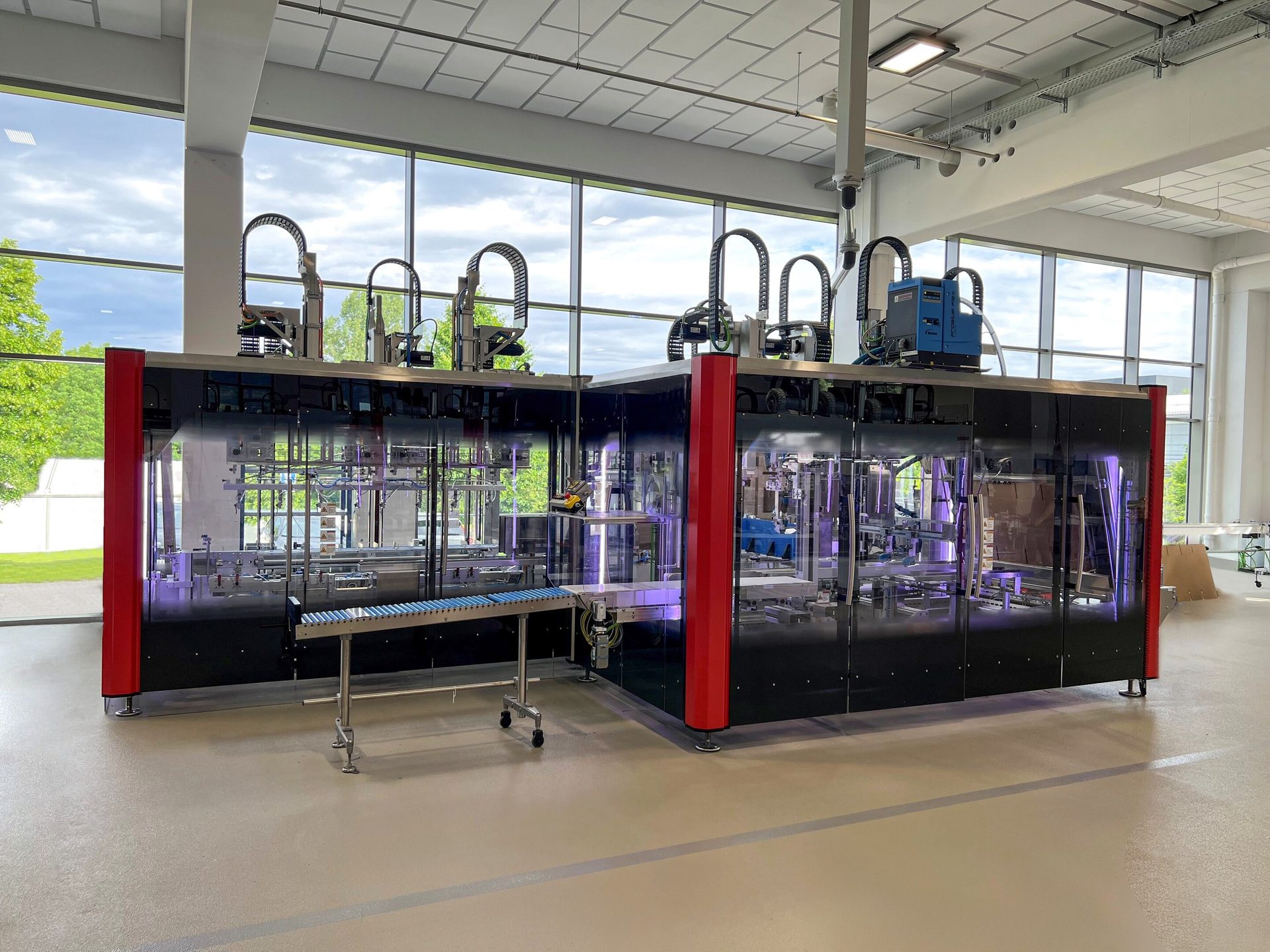
Customers of Somic Packaging seem most consistently concerned about the flexibility of machinery to handle multiple formats, as well as the unknown formats of the future, states CEO Peter Fox.
“Bakery products also require delicate handling in an automated system. You need to protect the integrity of the packaging to ensure product freshness, as well as protect the product from any deformation during the packaging process,” Fox reports. “Another primary consideration is the ease of operation … to help with the issue of a seemingly never-ending revolving door of new employees.”
Questions to ask
When considering new or improved packaging equipment or technology, customers should start by coming out to see it, Gunnell recommends. Although it became more common to meet virtually during the pandemic, and that can work, “It’s nothing like being there in person, seeing it, walking through it, opening the covers,” he notes. “It amazes me that people still spend $150,000, $250,000, $500,000, and not take the time to come check it out.”
Courtesy of Delkor Systems
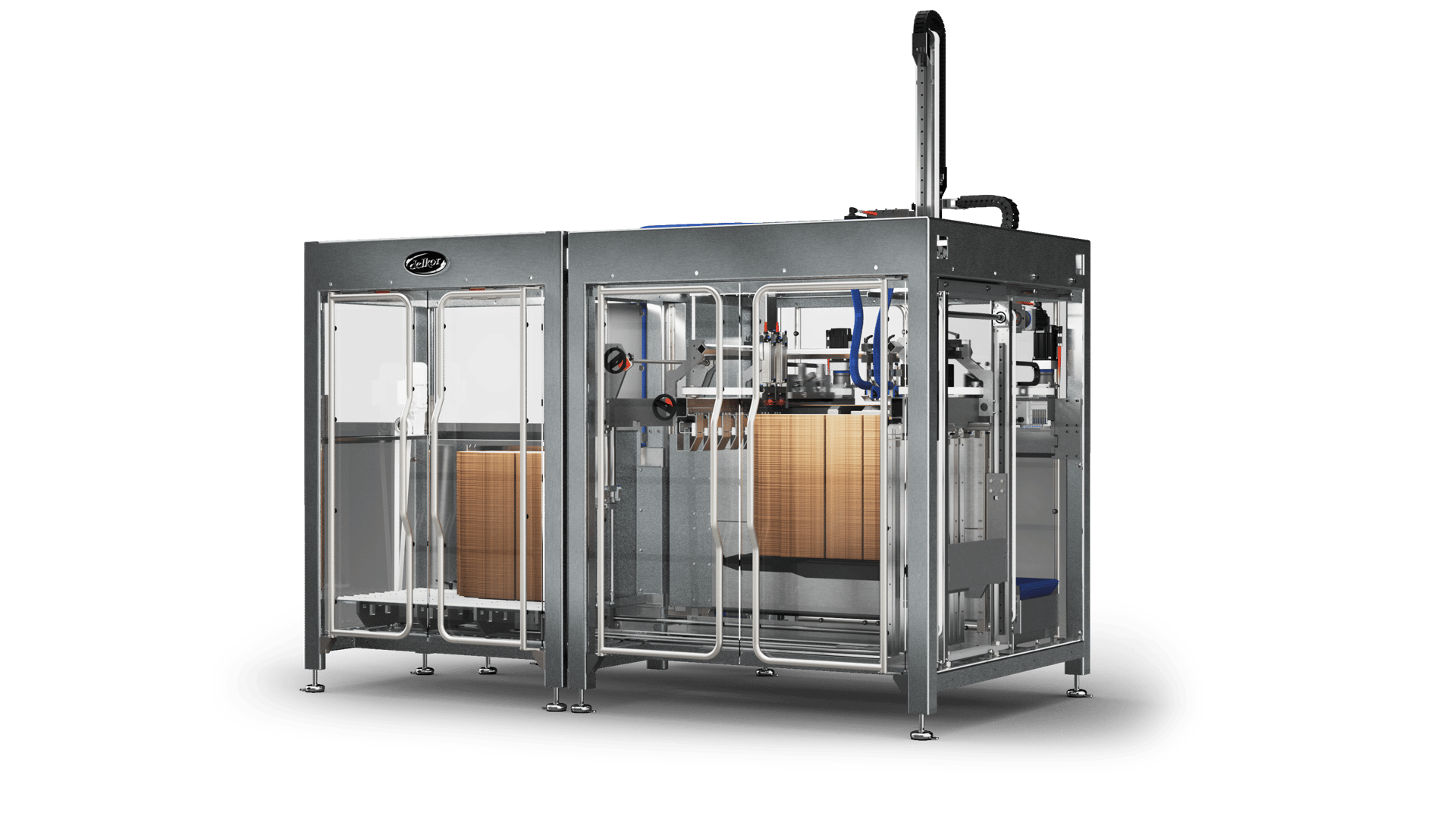
Delkor Systems plans to introduce a new generation of Combo-line Bread Case Packers designed as an all-in-one solution for single-use shippers and reusable trays in 2025. “Producers can switch between corrugated (one way) shippers and bread tray formats in the same machine,” says Dale Andersen, president and CEO. “Retailers are moving away from direct store distribution (DSD) trays and into corrugated cases due to the challenges and costs involved.”
Delkor Systems recently introduced Smart-Lock, which streamlines packaging size adjustments using a linear bearing slide, LED-based feedback and an automatic locking system. It reportedly eliminates the need for rotary counters, allowing precise, manual adjustments with minimal effort. “It is three times faster, more accurate and designed to virtually eliminate operator errors,” Andersen notes.
“Manufacturers are always looking at new products, formats, and SKUs, and inspection equipment needs to be flexible enough to support that.”
— Richard Reardon, general manager, Antares Vision Group

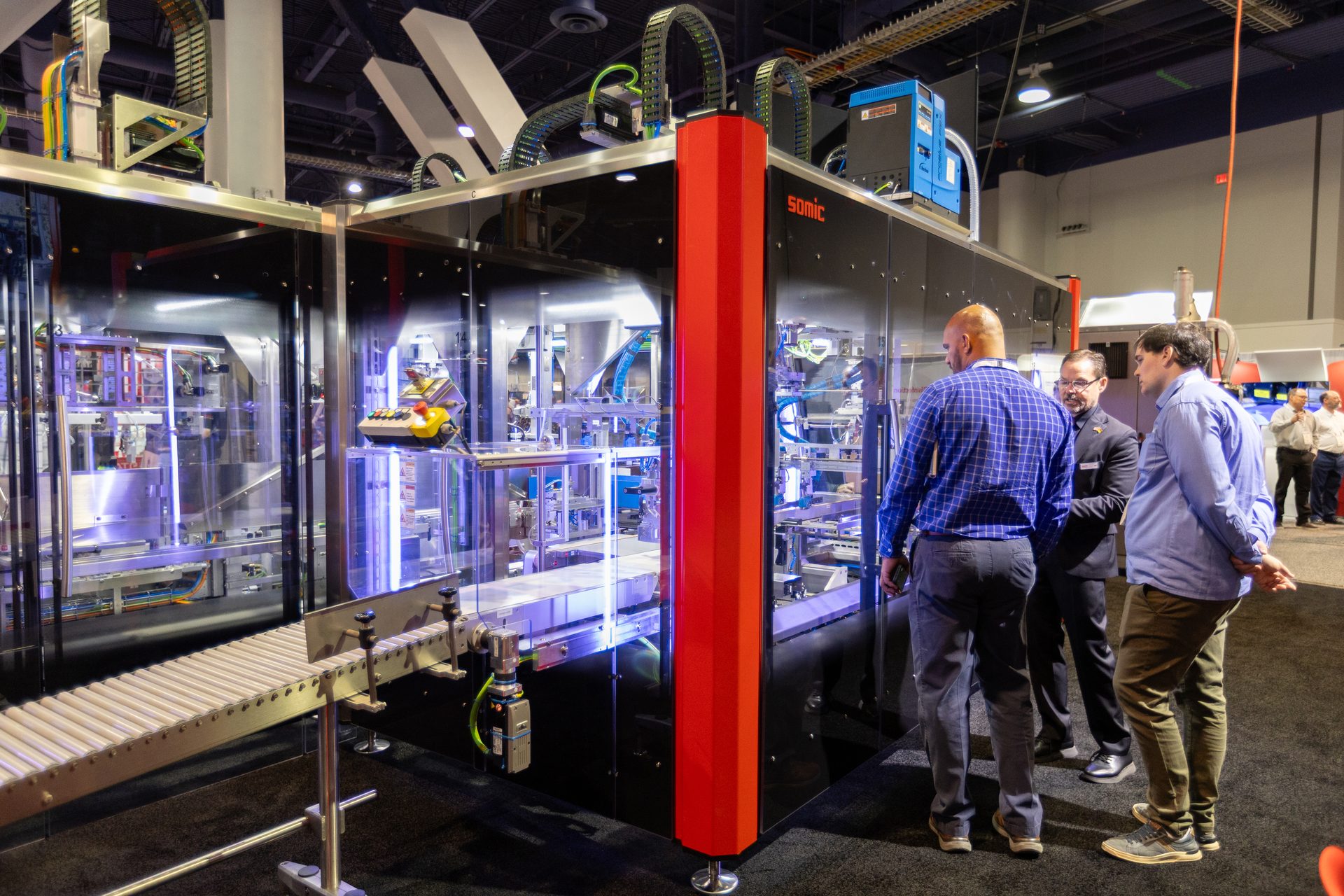
Courtesy of Somic Packaging
Secondly, Gunnell suggests trying to reproduce the production environment before making a purchase—which he acknowledges can be challenging if, say, you’re trying to make sure you can run 300 individual cookies per minute.
“Logistically that can be really tough, but do your best to set it up,” he advises. “And do that planning ahead of time. Do the visit ahead of time. Here’s what we want to accomplish. Can we do that? Can we not do that?”
Nettles says he counsels snack and bakery companies to expound upon their specific needs and make sure a vendor has the capabilities to deliver on them.
“Some companies have a machine, but they don’t have the industry expertise, and they’re not able to provide the right solution,” he notes. “Customers should try to seek out as a vendor somebody who can help them solve a problem or address a situation with a wide range of variables.”
Producers also need to ensure that a newly purchased machine can handle their current and future needs, taking into account, for example, whether an influx of business from a club store chain would stretch a given machine beyond its limits, Nettles says. And they should make sure the machine integrates well into their overall lines in terms of factors like height and throughput so it doesn’t inadvertently lead to bottlenecks.
“We can unlock additional productivity just by looking a step or two upstream or downstream,” he states.
Jason Stover, marketing director, secondary packaging for ProMach, notes that snack and bakery companies should ask about the types of parts and service they can expect down the road: “How quickly can the company get there? How easy is it to maintain? Knowing that the OEM has a strong aftermarket support team behind them is something that the customer would want to know.”
Customers should ensure that packaging machinery is sufficiently flexible, Becker recommends, including whether it can be automated in the future if they currently have enough manual labor but face difficulties in the future.
“When they start their automation journey, it comes to the point of, all of those things could potentially be automated on some packaging machinery,” he observes. “But it’s going to be an extremely expensive piece of machinery” if done all at once. So they need to triage: “These are the items that I necessarily need to automate.”
Snack and bakery companies also should ask packaging machinery suppliers about throughput, Becker recommends: “We never want the packaging equipment to be the bottleneck. You always have to size the equipment for additional capacity than what the line is currently delivering. ‘How much extra and excess capacity is available in this packaging equipment that I’m looking to purchase?’ is one of the most important questions.”
Pilonieta suggests customers talk to suppliers in the early stages of developing a new line rather than at the end of the process. Occasionally, “packaging comes as an afterthought,” he confides. Secondly, in addition to ensuring a machine can handle your scope of work, get to know the company behind the machine to better understand its service infrastructure.
“Sometimes, they’re blindsided by a nice website,” Pilonieta says. “They find out they got in bed with a company that was brand new, and they have no support, or they have no actual rights on the software or equipment and have to go to their suppliers [when problems arise]. It becomes a challenge operation for the logistics, for people to get their support.”
In some cases, Pilonieta adds, it’s because a company buys a cheaper machine that seems similar on the surface—but they end up paying more in the end due to downtime waiting for parts and labor.
Longevity and customer support are high on the list of questions that Turner would ask OEMs as well: “Things work great on day one, but it’s year two, and year five, and year 10 that we tend to think about. Sometimes, customers forget. The initial purchase of capital equipment is only the beginning. That’s hard for people to assess during the buying process.”
Ponzinibbi agrees customers should ask about reliability of both the equipment and the customer service provided. Digital capabilities and the ability to manage, and solutions that are scalable both in terms of productivity and technology, are other key points to consider.
“Materials are changing to become more sustainable,” he says. “Especially when they go to paper-based materials, which is a trend we see especially for secondary packaging. This becomes very important, when the customer wonders what technology to buy for the next three to five years.”
Ensuring consistent handling and collation of the product for consistent quality is paramount, so asking how a case packer makes sure of that while maintaining uptime and efficiencies would be the first question on Fox’s mind. “The system must ensure that products are packaged without causing any harm to the integrity and quality of the product, while at the same time, producing consistent, high-quality cases or displays,” he says. “This all boils down to having consistent repeatability of the handling system.” SF&WB