

Flavors and colors
INGREDIENTS
The BOTTOM LINE
- Consumers more than ever want to see natural-sounding flavors and colors on labels
- Such ingredients also can extend shelf life, improve texture and mouthfeel, and more
- Working with suppliers can help producers wrangle with formulation challenges
Tones and tastes
With producers faced with a long list of challenges in flavor and color selection, manufacturers are ready and willing to help.
Jenni Spinner, Chief Editor
What consumers look for in the color of their snack and bakery buys is constantly evolving—so are the flavors of those tasty treats. Thankfully, the suppliers who offer the ingredients to craft those eye-catching shades and palate-pleasing tastes are on the case; those suppliers are ready to deliver on innovative products as well as expert advice.
Impactful trends
Judging by comments from producers, suppliers, and others with a stake in bakery and snack foods, buzzwords describing qualities that stand to impact colors and flavors in coming months include:
- Bold: it stands to reason that eye-catching colors in cakes, cookies, chips, and other foods are likely to attract attention than muted; the same goes for flavors, with hungry people likely to find intense and forward tastes appealing.
- Natural: U.S. regulators already have made it known how they feel about all things artificial, which will have producers looking to nature to provide their shades; the same is likely to be true from where bakery and snack flavors are drawn.
- Variety: consumers are likely to reach for different color palettes that resonate with what they want, such as earth tones to comfort, playful shades to energize, contrast to increase excitement, etc.; they are expected to feel the same desire to change things up with flavors.
- Global: especially true with the flavors of their bakery and snack buys, consumers are anticipated to continue exploration of foods inspired by cuisine from different lands, and with more specificity (i.e. Korean flavors instead of just Asian).
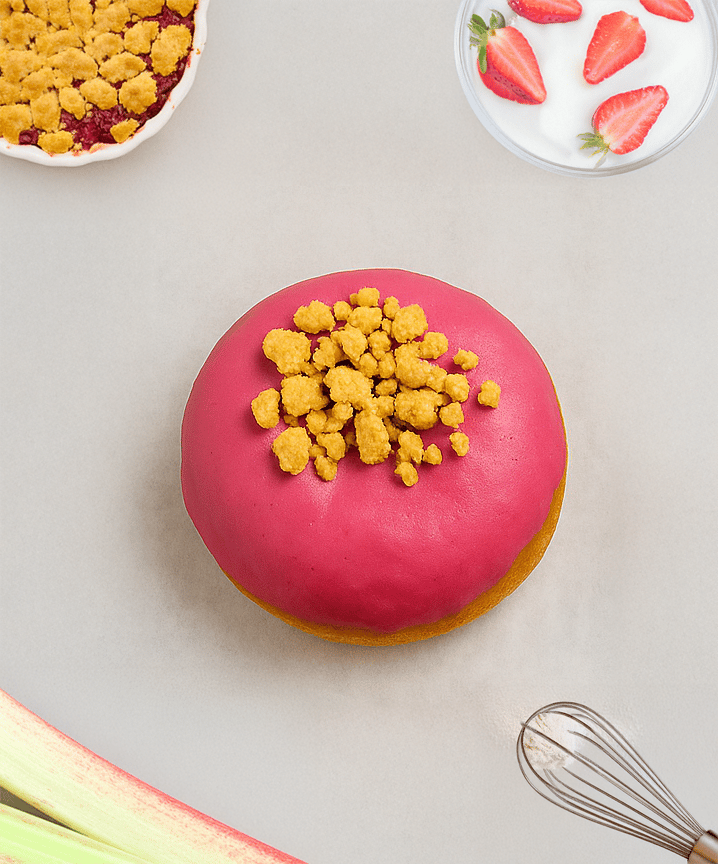
Courtesy of Embassy Ingredients
Challenges and considerations
Dana Osborn, marketing manager for California Natural Color, says consumers are demanding cleaner labels, fueling a shift toward natural colors—but that creates a challenge, considering their color preferences.
“Shoppers want products that not only look vibrant but also communicate ‘made with real ingredients,’” she notes. “In snacks and bakery, this means interest in fruit-and-vegetable derived colors, hues associated with wellness, and colors that signal flavor cues, like citrus orange and yellows or berry reds. Visual appeal remains crucial, but consumers expect those colors to come from natural, sustainable sources.”
Peter Losee, VP of marketing with Bluegrass Ingredients, agrees that pressure coming from consumers and MAHA forces makes color selection tricky.
“Vibrancy’ remains on-shelf; however, change is evident in the insights we’ve extracted and are addressing,” he shares. “We’ve polled color suppliers about their ability to react to MAHA and still produce eye-appealing foods. Additionally, we’ve published information about color in food and efforts to move towards ‘natural’ color.”
Angel Wong, director of flavor development with Embassy Ingredients, says consumers enjoy both new tastes and old familiar flavors—and sometimes both.
“Nostalgia remains strong, with comforting favorites like vanilla, chocolate, and cinnamon—we’re also seeing a demand for ‘elevated nostalgia’ where familiar flavors are reimagined with global flair,” she observes. “For example, introducing a hint of ginger into a mango tart, or pairing bright lime with warm spice notes creates a modern twist on traditional profiles.”
With snackers and bakery buyers interested in such complex flavors, Losee advises, producers might be wise to continue exploring possibilities for combinations.
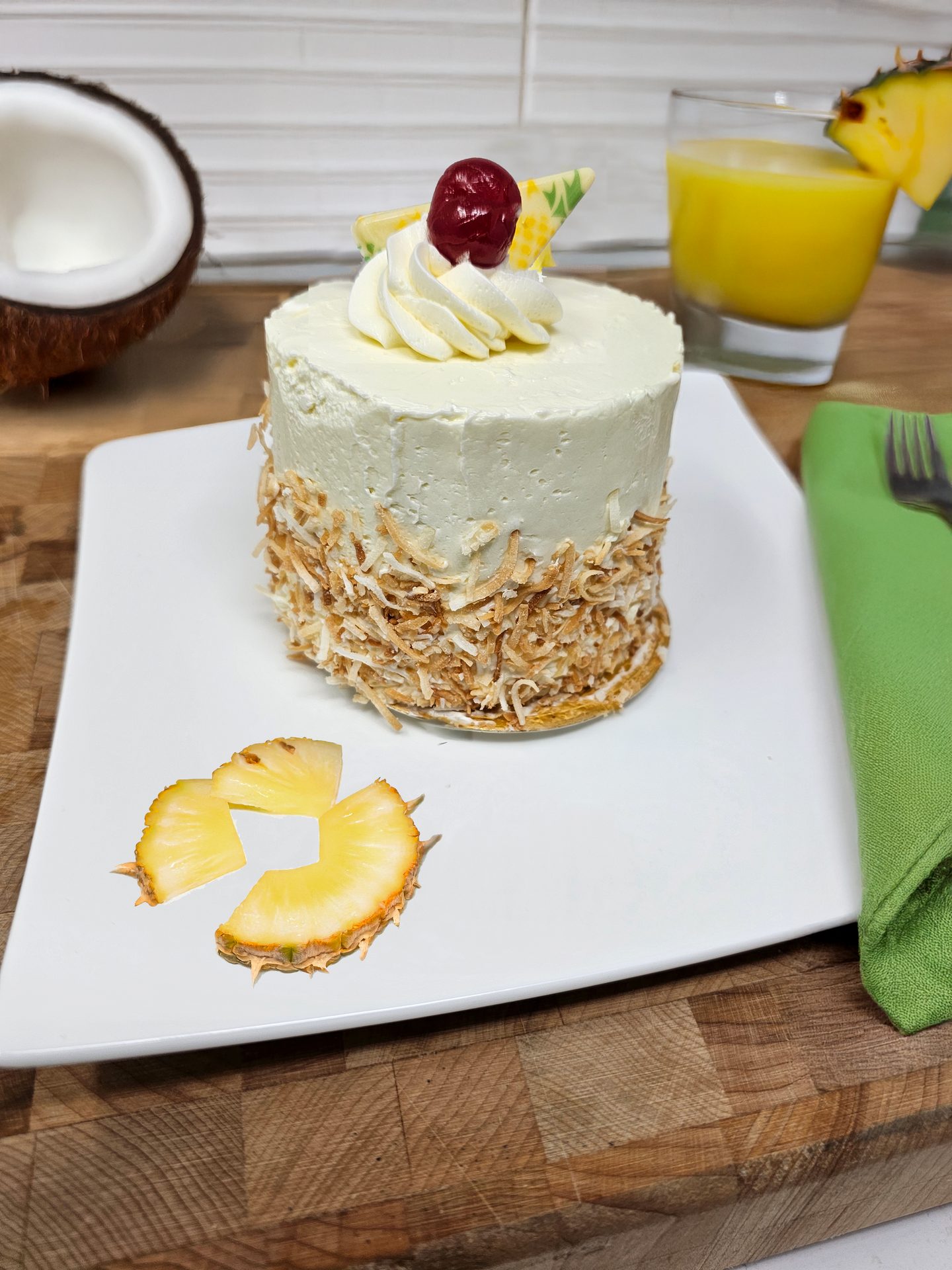
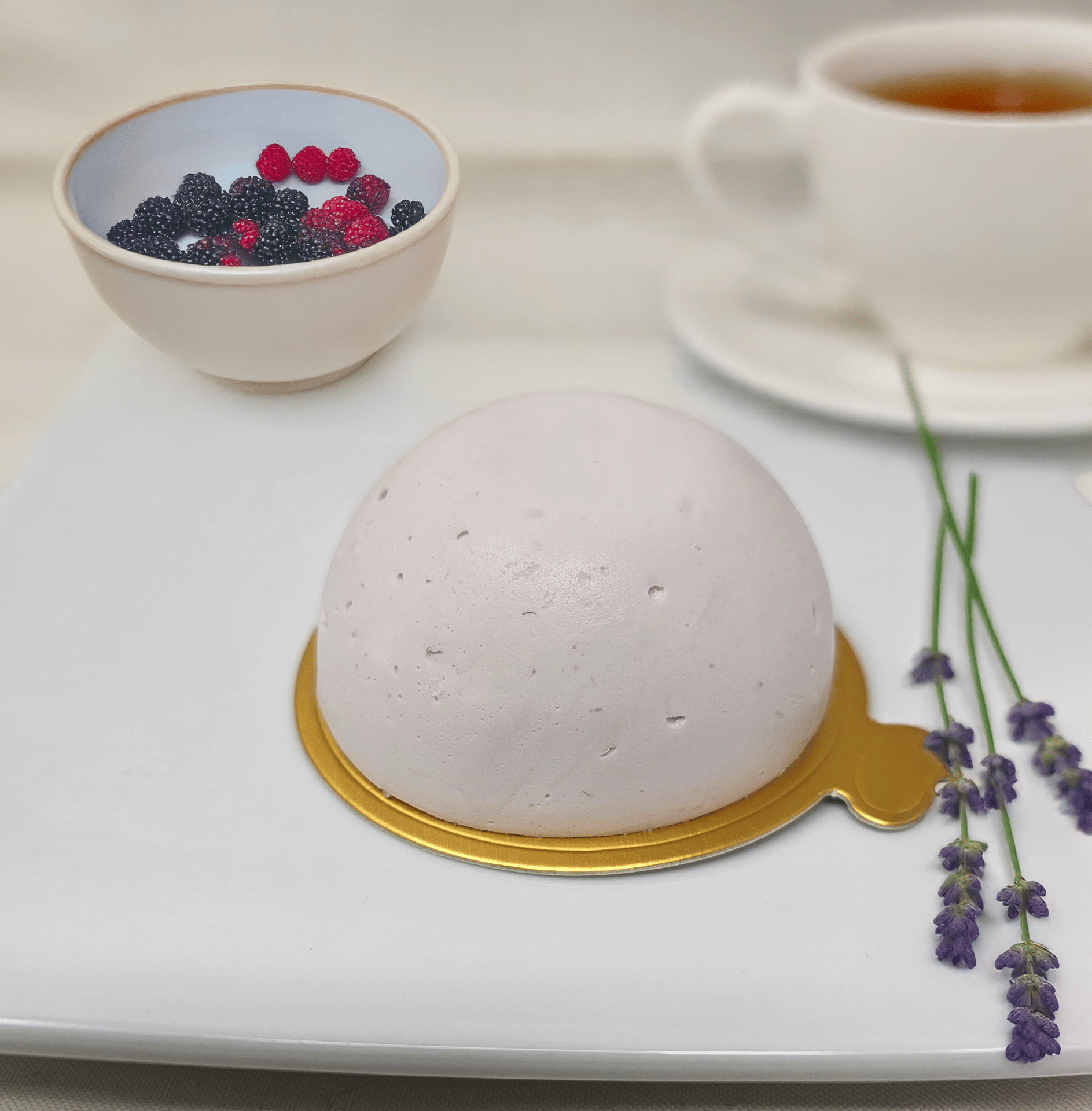
Courtesy of Embassy Ingredients
“Our flavor focus for the past few months and going forward is fusion flavors that support experiential eating,” he says, adding Bluegrass has offered thoughts on the “fusion” topic via its Thinking Page.
“Fusion is not new,” he states. “We’re not talking about Tik-Tok mashup flavors—more so, we are talking about sensory-balanced flavor systems, designed for specific applications that provide a unique, desirable experience.”
Kurt Riethman, head of sweet and beverage applications for Sensient Flavors and Extracts, says, “One of the big trends in food and beverage as a whole is that consumers are looking for experiences that engage multiple senses. So as flavor experts, we look for ways to make sure all the sensory aspects like flavor, color, texture, and aroma work together in harmony for an elevated experience.”
Mauricio Arrieta, strategic marketing director for bakery NA and global accounts with Kerry, says the company is leaning into consumers’ interest in reimagined classic flavors, as well as global and culinary tastes.
“We are seeing a strong interest in more exotic flavors like mango, passion fruit, matcha, pistachio, smoke, and other citrus profiles, all of which add a layer of excitement and sophistication to traditional baked goods,” he notes.
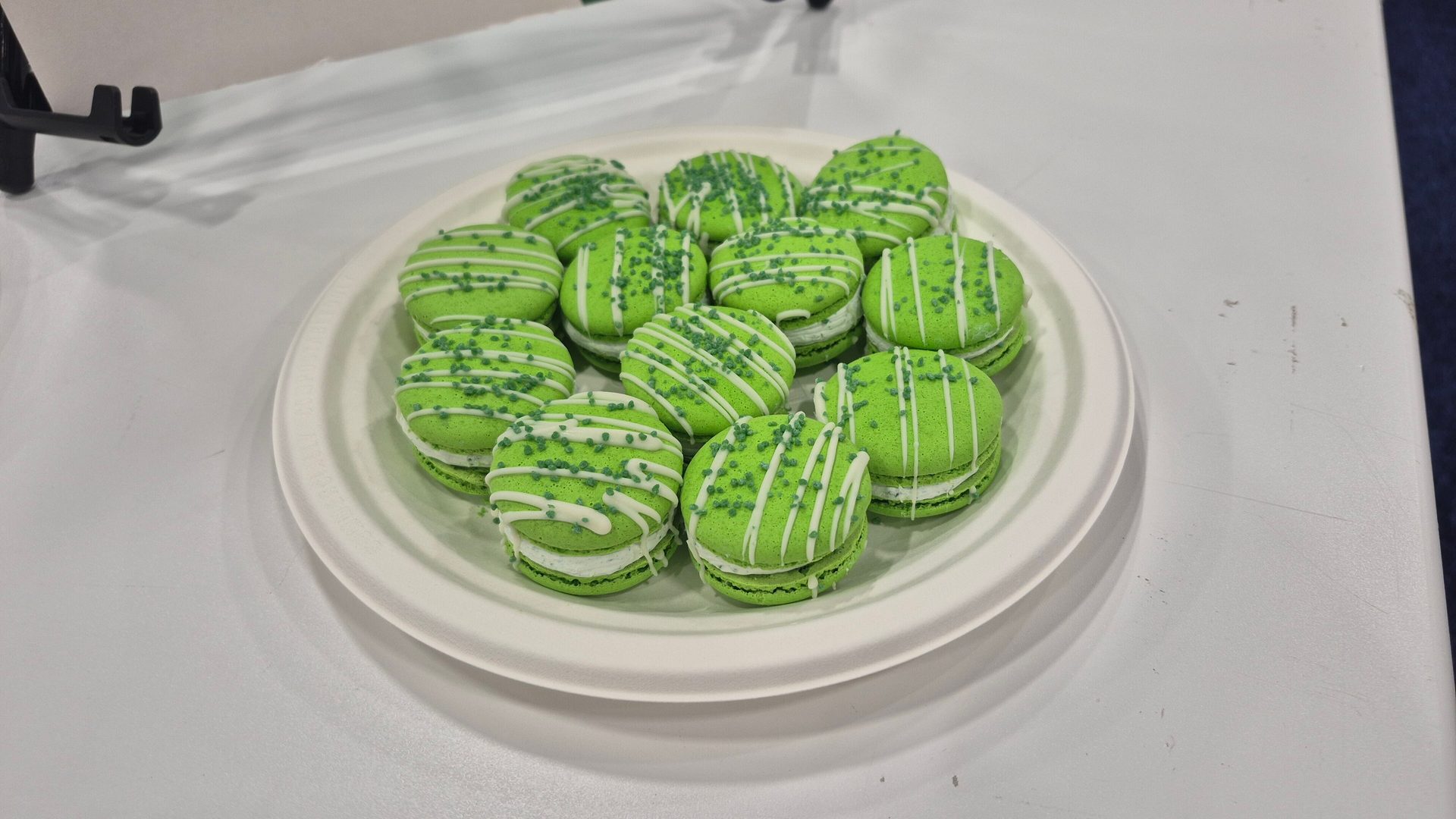
Courtesy of Jenni Spinner
Riethman says with protein-boosted products continuing to draw attention dollars, producers need to take that ongoing trend into account when picking flavor solutions.
“Protein is a driving force in a variety of better-for-you applications,” he observes. “However, adding protein comes with challenges for formulators and product developers. Protein can add off-notes like astringency, sourness, and metallic notes along with a gritty-type mouthfeel and chalky taste in some situations.”
Riethman continues, “Other big trends include reductions in calories, carbs, sugar and salt. However, sugar and salt in particular have functional roles in snack and bakery formulations in addition to flavor. For example, sugar proves sweetness and also serves as a bulking agent. Sugar alternatives can sometimes bring off-notes like bitterness or astringency as well as an aftertaste.”
Ingredient solutions
Wong says when considering such ingredients, it’s not enough for them to just be non-artificial.
“It’s no longer sufficient for a product to be ‘natural’ alone—it must also maintain shelf life, visual appeal, flavor, stability and consistently elevated sensory experience,” she advises. “We actively source best-in-class ingredients by participating in leading global trade shows, ensuring we can support customers with high-performing, naturally derived solutions.”
Osborn notes incorporating natural color solutions in new and existing formulations calls for thoughtful consideration.
“It’s important to take into account pH and heat sensitivity as certain bakery and snack matrices may stress colors, requiring tailored solutions,” she recommends. “It’s also important to consider a product’s packaging as some natural color sources may be more sensitive to light. Ingredient interactions can also play a role as natural pigments can shift when combined with acids or proteins.
Losee indicates that with the Bluegrass Ingredients portfolio, color and flavor are “key tenets,” and “natural” ingredients are an important consideration.
“We’ve converted about 40% of our Cheese Powder portfolio to natural color to meet increasing demand and meet the current administrations deadlines,” he reports. “Many food manufacturers will use colored and non-colored cheese powders to impart flavor and other sensory attributes, and our colored cheese powder assists food manufacturers’ color requirements.”
Losee adds that offerings like Bluegrass Citrus Powders can offer food manufacturers a shorter clean-label ingredient line and lower costs compared to purees, juices, and concentrates (which require refrigeration).
“Choosing natural colors that reinforce your brand positioning and stand out on shelf can make a meaningful difference to the consumer.”
— Dana Osborn, marketing manager, California Natural Color

Riethman shares Sensient’s offerings include SenaMelts, a delivery system for natural flavors and colors in bakery formulations.
“SensaMelts encapsulate mix-in ingredients that will be baked into a batter or dough to create little pockets of flavor and color, creating a more impactful result,” he describes. “For example, SensaMelts can help eliminate color bleeding from real blueberries into a muffin batter, as well as help maintain the blueberries’ structure to provide little bursts of flavor. SensaMelts work across a broad spectrum of bakery applications, such as muffins, breads, cookies, buns, bagels, and English muffins.”
Wong shares Embassy Ingredients puts out natural flavors and colors in different formats, designed to be easily incorporated into products.
“Our flavors are available in both water and oil-soluble formats, including liquids, powders, compounds and emulsions—these solutions are ideal for cakes, muffins, cookies, fillings, and icings, as well as more thermally processed bakery items like breads and doughnuts. We also specialize in flavor matching and custom creations to bring your unique vision to life.”
Wong adds popular flavors include classics like Blueberry and Caramelized sugar as well as new arrivals like Pistachio Cream, Chocolate Stout, and Yuzu; natural colors (in liquid and powder) include options like Strawberry Red, Lemon Yellow, and Pistachio Green.
Arrieta shares that the Kerry Smart Taste range is intended to help producers better understand and incorporate on-trend flavors that consumers respond to.
“We offer a broad portfolio of flavor solutions that are especially relevant for bakery, including Fermentation, Dairy Taste, Fire (smoke), and Cocoa Solutions, paired with our Tastesense modulation solutions for Sweetness, Salt and Masking,” he enumerates. “We also offer Cocoa Boosters which enable customers to reduce their cocoa powder content by up to 40%, delivering up to 48% lower carbon emissions compared to traditional cocoa powder.”
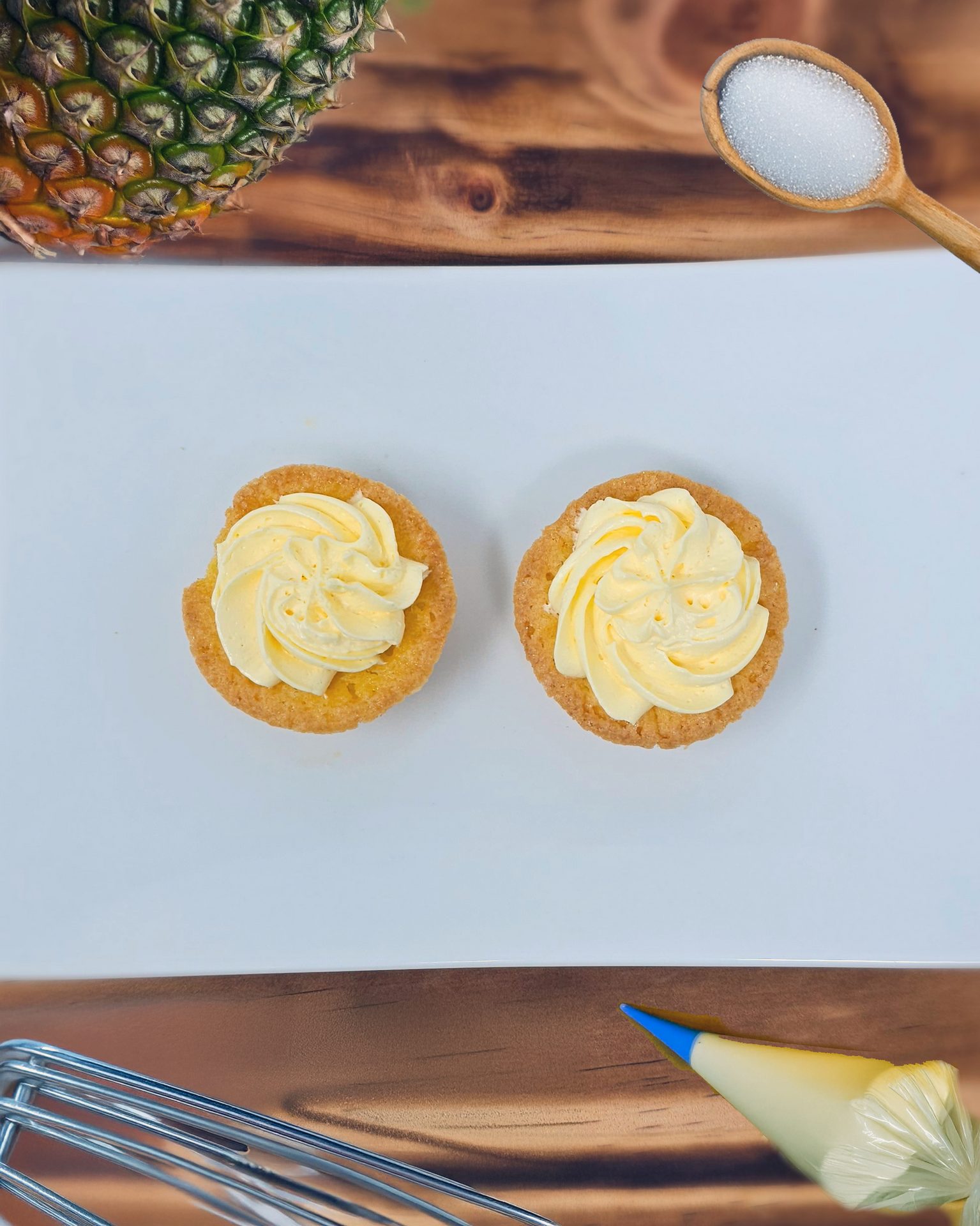

Courtesy of Embassy Ingredients
Words of advice
Arrieta stresses the importance of producers working closely with industry partners, and taking all the complex market factors into account, when selecting flavor and color options.
“It’s important to recognize the realities of adoption curves, particularly in the case of baked goods, where many subcategories are staple foods and price elasticity is limited,” he states. “Innovation in this space doesn’t happen overnight and the industry is navigating a transition period where performance, cost, scalability, and consumer expectations must all align. That’s where collaboration becomes critical.”
Losee advises that while flavors and colors might not be widely considered as impactful on healthfulness as ingredients related to fiber and protein content, those BFY boosters could impact flavors.
“Most proteins—some more than others—impart what are called ‘off notes’ when added to applications; particularly, vegetable proteins like pea proteins challenge applications flavor,” he advises. “We receive multiple requests for help with flavor when protein loads are increased in food applications.”
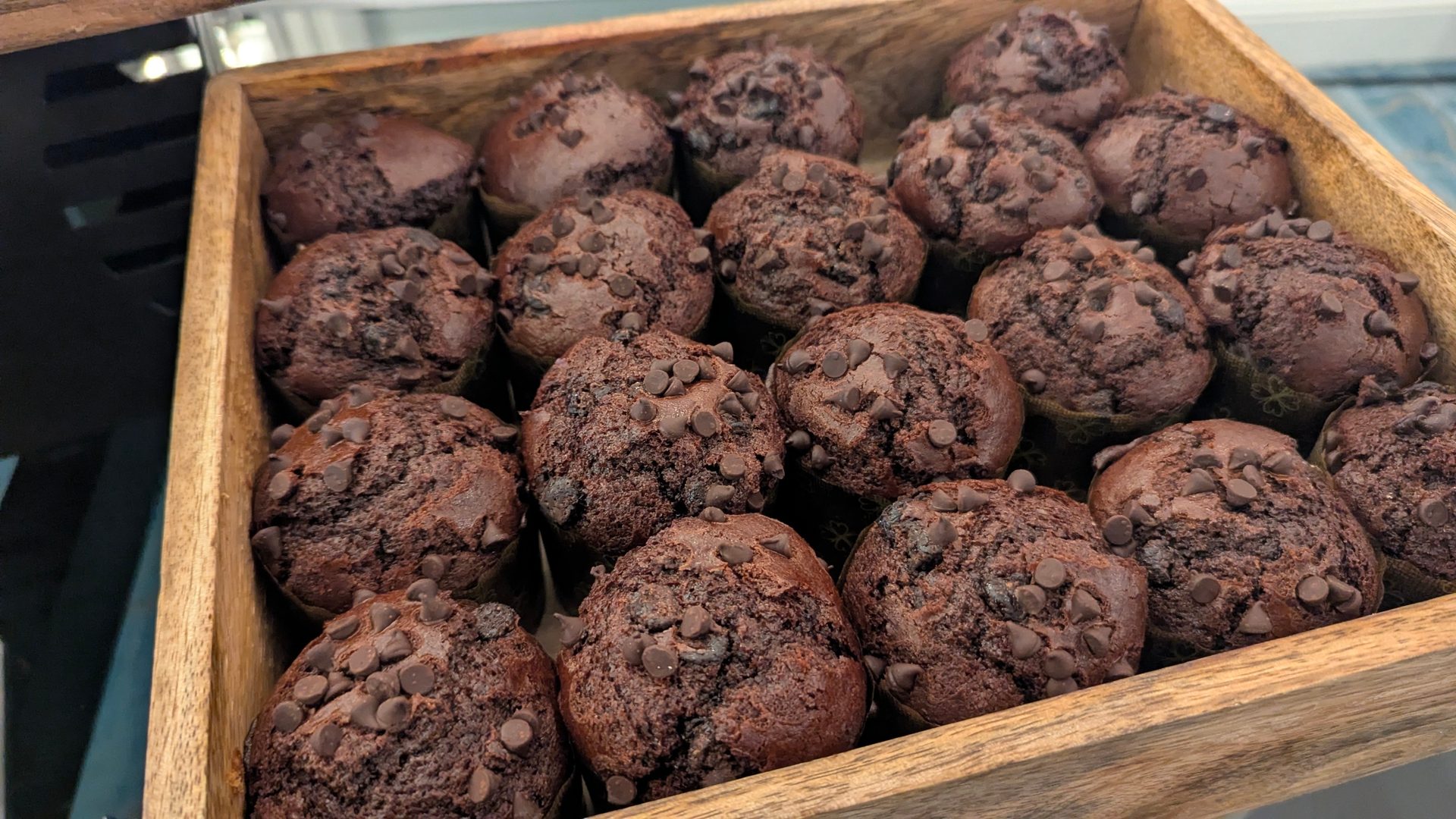
Courtesy of Jenni Spinner
“Consumers are looking for healthier fats, such as those from coconut oil, olive oil, and avocado oil.”
— Jackie Steffey, senior customer innovation manager, AAK