

Mixers
Tech & Techniques
The BOTTOM LINE
- Consumers appreciate mixing equipment that is easy to clean
- New equipment must fit in, both in terms of size and ability to integrate in lines
- Automated features help with simplifying operation, and with labor shortages
Blend of benefits
When on the hunt for mixing equipment, bakery and snack producers have a long list of must-have qualities in mind.
Ed Finkel, Contributing Writer
Easy cleaning, longevity, digitalization, dependable service and parts availability, and a machine properly sized to their existing space are among the features and benefits most top of mind for snack food and wholesale bakery companies looking to purchase new or improved mixers.
what users want
Customers of Koenig-Rex ask a lot about hygiene, both in terms of how to clean the mixers and whether wet cleaning is possible. That prompted the company to add that feature to its systems, says Julia Kneidinger, marketing manager. Another common query is about digitalization and whether mixers can be integrated into the overall production interface, and the company has built its technology to be open interface.

“You can access all of our machines via remote access,” she notes.
Koenig-Rex has a 24/7 service hotline staffed by technology specialists so that customers can ask what to do if their mixer is standing still, or the dough temperature isn’t quite right, or they’re not sure what speed to use for a batch that might include raisins or chocolate chunks. “We see that often, our customers are scared to mix the dough right,” Kneidinger shares. “They think, ‘This is too much.’ They don’t want to over-mix it. But what actually happens is, they mix it not well enough.”
Bill Everett (global account manager Peerless, a brand of Coperion), says his customers tend to ask about the dough cooling properties of a given mixer, given that dough gets heated by the agitator in a horizontal mixer.
“Especially in yeast products like bread and buns, it’s a pretty big deal because you don’t want your yeast to activate inside the bowl of the mixer,” he states.
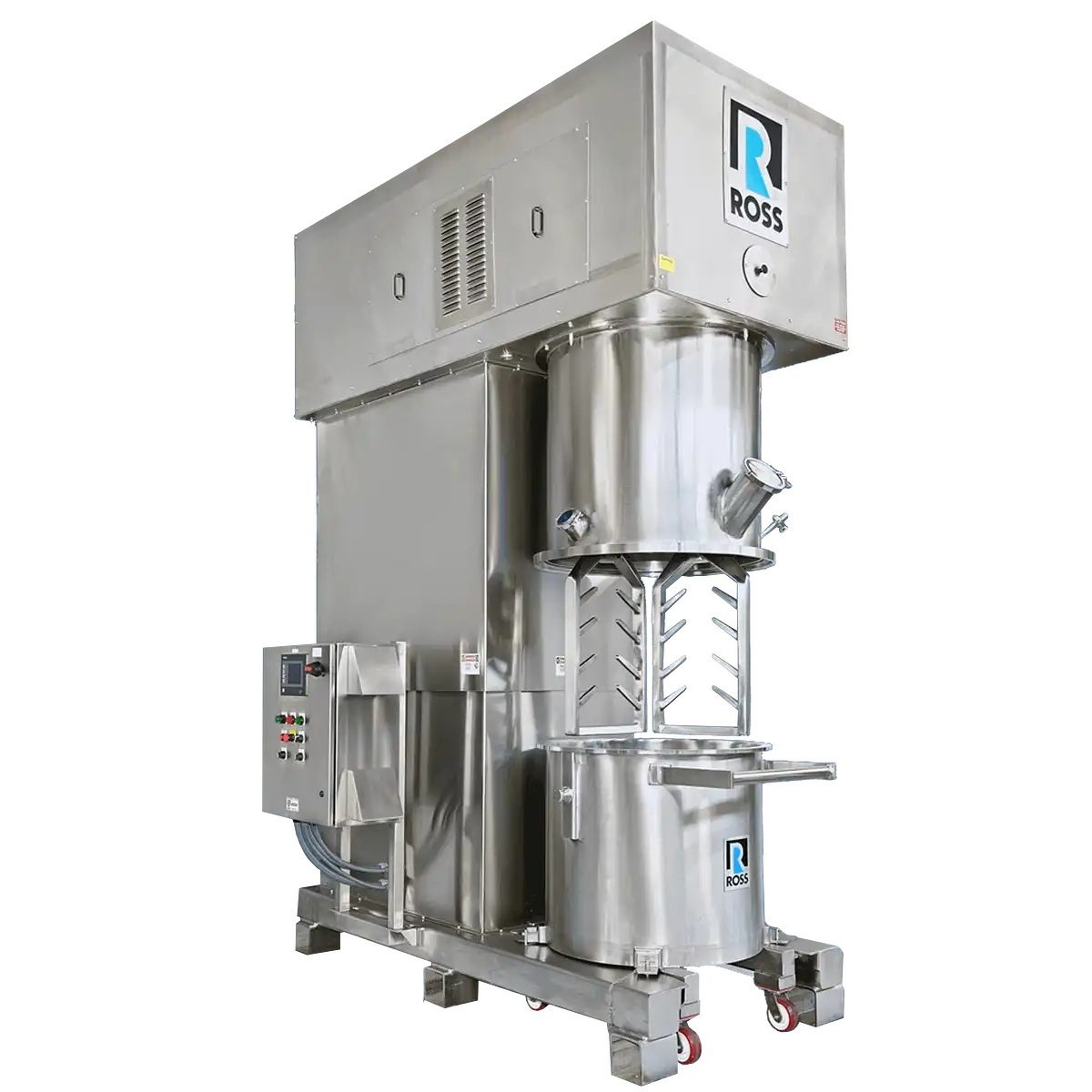
Courtesy of Ross
In addition, customers want to know how well a mixer will fit inside their facilities, which in many cases were built several decades ago to accommodate the equipment they are now looking to replace. The previous equipment tended to be shorter because bowls were stationary rather than tilting, which requires more space, Everett says. Lastly, he adds, sanitation is always paramount, which Coperion addresses with stainless steel components, direct drive with no belt or chain, and round tubing so water runs off rather than finding a resting point.
The expansion of the snack bar industry, both in terms of sales and types of SKUs with a wide variety of ingredients, has led to a greater emphasis on ensuring that the end product is thoroughly mixed and all ingredients are evenly distributed, says Marc Ferree, regional account manager-Americas for Coperion Food, including the Shaffer and Peerless brands.
The company has developed triple-sweep agitators that do this particularly well, Ferree says.
“Even with a chocolate chip cookie, you don’t want one chip in one, and 15 in another,” he points out. “A lot of times when they have a lot of ingredients, they’re not handled well by bulk mixers. One of the features we have is, the bowl can tilt backward and open up to the rear platform, where the operator can easily add all the ingredients.”
Sanitation rates high on the list for customers of PPM Technologies as well, especially those blending in fruit ingredients, says Nicholas Schoen, marketing communications manager, which is part of why the company offers stainless steel components. In addition, accuracy and consistency are always important, which among other qualities requires tanks that are controlled and regulated well for temperature, using thermocouples to maintain, he adds, noting, “Everything is done automatically.”
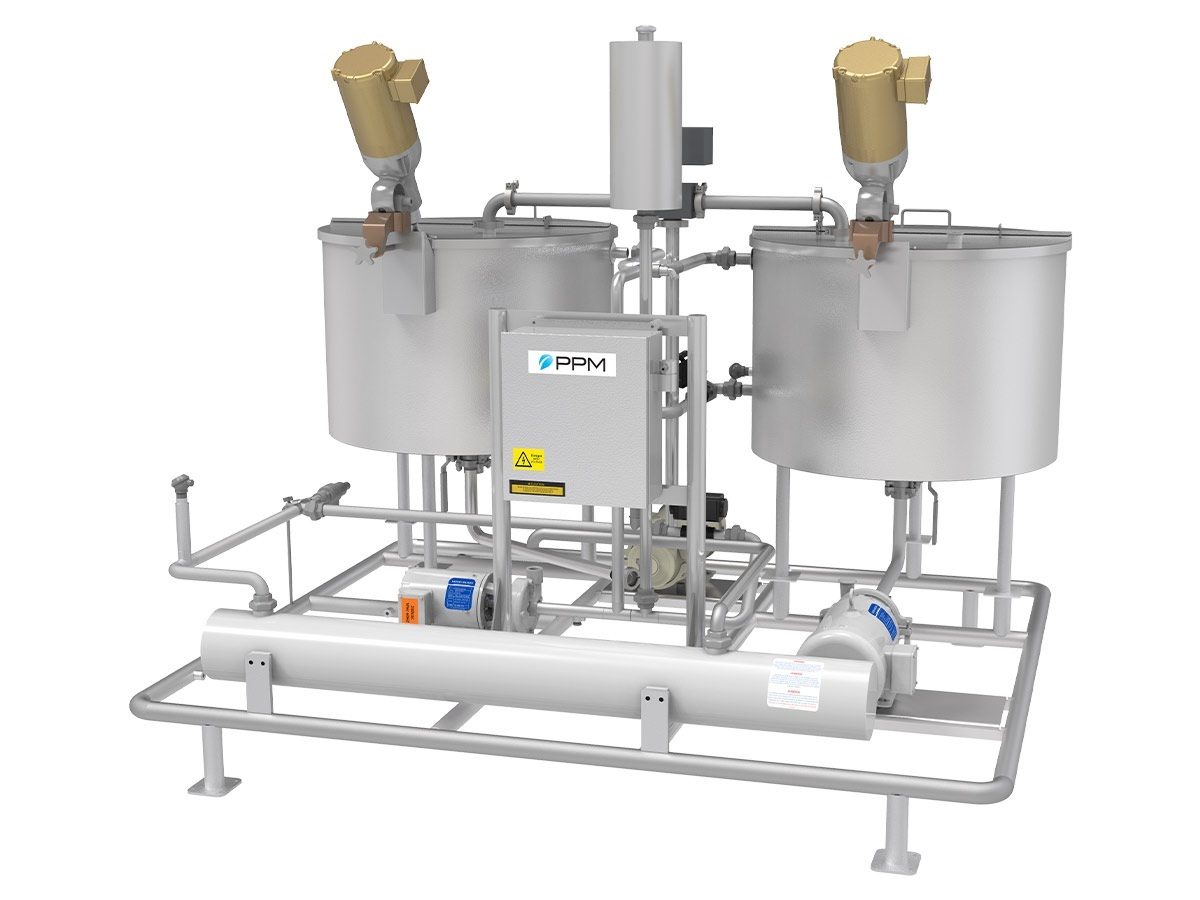
Courtesy of PPM Technologies
Ken Schwenger, president of Bakery Concepts, says that many bakeries and snack food companies are hoping to achieve “lights out” plants for products like bread, buns, pizza, croissants, and tortillas, which requires continuous mixing and the use of added oxygen that his company’s Rapidojet product can deliver.
Customers are also focused on sanitation, including whether continuous mixers tend to lose a significant amount of dough and end up harming the environment by clogging floor drains, as Schwenger heard an audience member at a recent American Society of Baking show remark about. “With Rapidojet, there’s almost zero lost dough,” he asserts.
Questions to ask
What should customers be asking manufacturers of mixers when they’re shopping for one? For starters, customers should ask about longevity and reliability, recommends Everett of Coperion: “What is your mixed rated for—is it rated for an eight- to 10-year lifespan? A 20-year lifespan? What am I getting for my dollars?”
And they should ask about parts and service, Everett adds: “Do I have … resources to be able to maintain my asset that I’m purchasing? Do you have qualified experts to take care of my machine, if it’s a repair above my mechanic’s ability?”
Quality of materials would be top of mind for Kneidinger of Koenig-Rex, who notes her company uses stainless steel.
“They’re really sturdy,” she states. “You want a mixer that stays in place, that you can use for many years.” And she agrees service is important. “What happens if something happens?” she adds.
And Kneidinger suggests investigating whether the mixing bowls line up well with the rest of their equipment, including whether a bowl hoist is needed to lift dough up to the production line and makeup line. “I think a manufacturer should always consider the whole process,” she shares. “That’s what I would be looking for, as a baker.”
Ferree of Coperion suggests asking about sanitation, including how easy the mixer is to clean, noting that his company offers an open frame, which helps with that, along with an option for spray balls to be lowered into the mixer for cleaning. In addition, customers should ask how far the mixer bowl tilts to ensure that it’s not difficult to discharge the dough.
PPM Technologies asks its customers lots of questions about the products they plan to mix, such as viscosity, temperature requirements, and how quickly the dry ingredients will settle out, Schoen says.
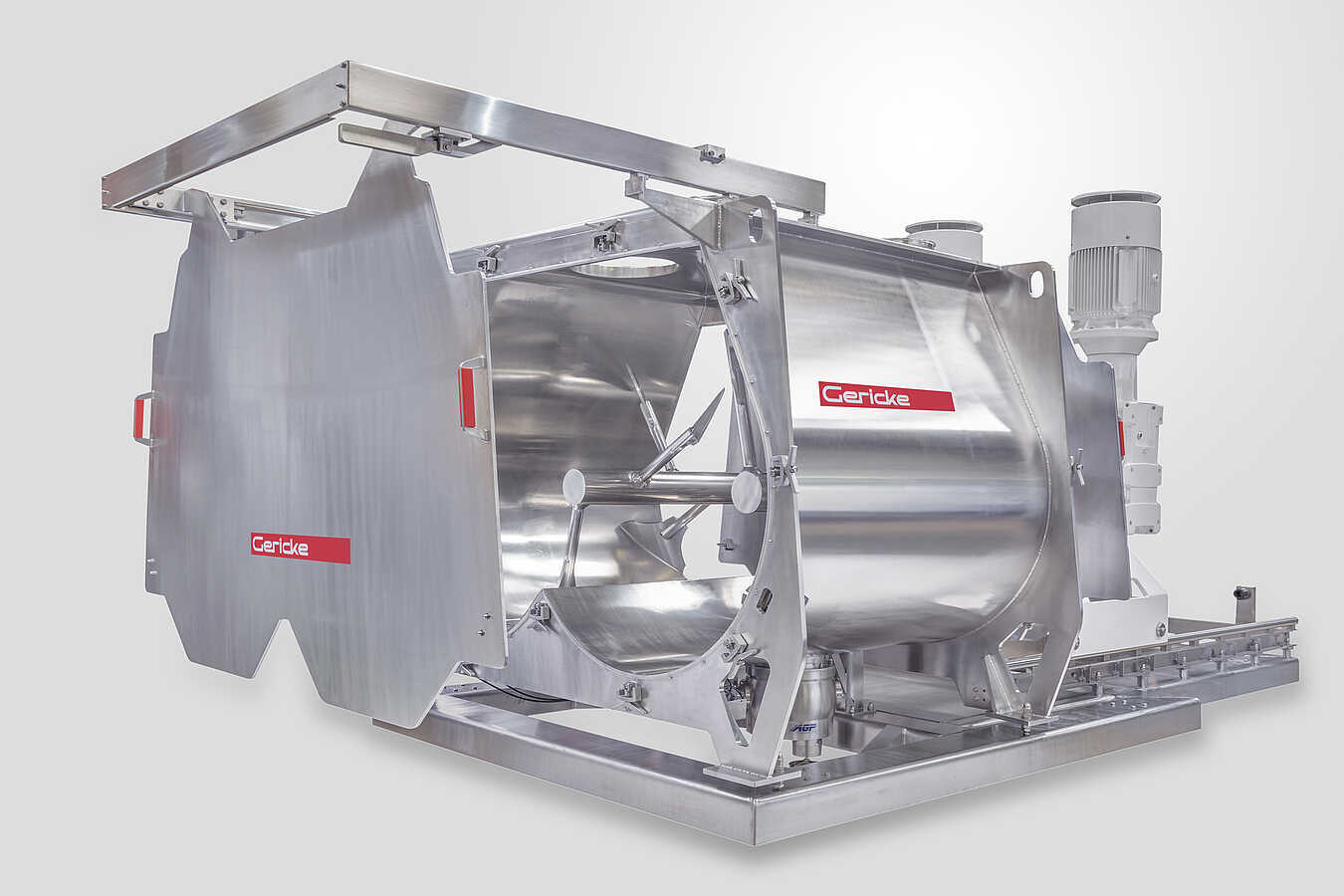
Courtesy of Gericke
“How hot does the slurry need to be to flow consistently?” he asks, adding, “They should be trying to understand the limits of these systems. They’re only as good as the individual components that are combined to make them.”
If they need tanks heated at or beyond the boiling point, that’s something PPM would want to know, Schoen adds.
“That’s a challenge to us, but it’s also a challenge to our customers,” he states. “Knowing their product and enough information about the solutions [is important] to make sure we can spec these systems properly.”
Bakery Concepts and Rapidojet suggest that customers provide information like desired output in pounds per hour as well as primary needs regarding energy use. “We use 90% less energy than any other mixer,” Schwenger says. “If sustainability is important for a plant, we have all the arguments to satisfy that, from energy use, to increased yield, and the sanitation perspective.”
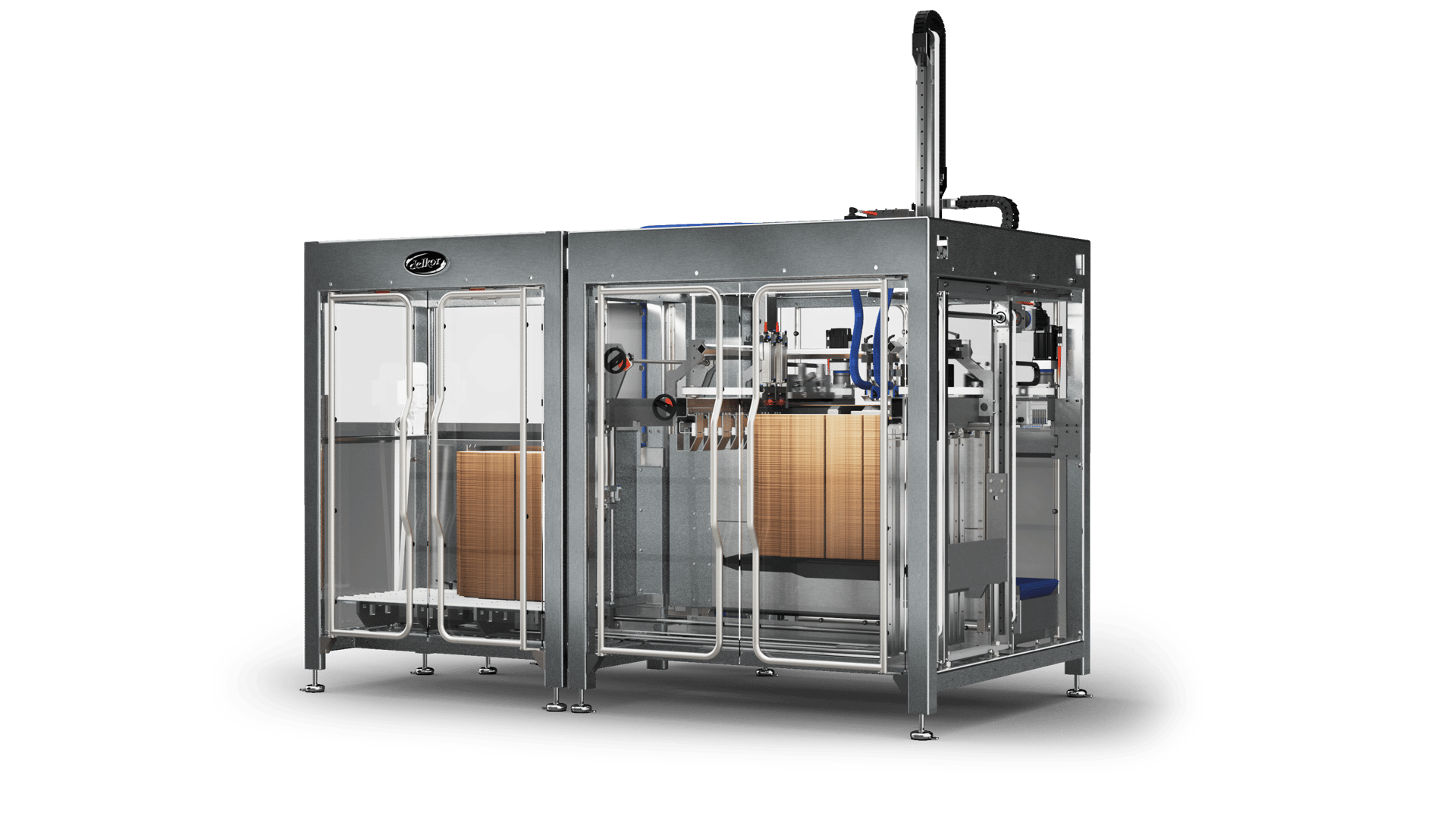
Courtesy of Delkor Systems
Delkor Systems plans to introduce a new generation of Combo-line Bread Case Packers designed as an all-in-one solution for single-use shippers and reusable trays in 2025. “Producers can switch between corrugated (one way) shippers and bread tray formats in the same machine,” says Dale Andersen, president and CEO. “Retailers are moving away from direct store distribution (DSD) trays and into corrugated cases due to the challenges and costs involved.”
Delkor Systems recently introduced Smart-Lock, which streamlines packaging size adjustments using a linear bearing slide, LED-based feedback and an automatic locking system. It reportedly eliminates the need for rotary counters, allowing precise, manual adjustments with minimal effort. “It is three times faster, more accurate and designed to virtually eliminate operator errors,” Andersen notes.
“You want a mixer that stays in place, that you can use for many years.”
— Julia Kneidinger, marketing manager, Koenig-Rex