

Dairy
INGREDIENTS
The BOTTOM LINE
- Dairy ingredients offer protein boosts and other health benefits
- Such ingredients also can extend shelf life, improve texture and mouthfeel, and more
- Working with suppliers can help producers wrangle with formulation challenges
Dealing with dairy
Dairy-based ingredients offer benefits beyond taste, including boosting health and improving texture.
Jenni Spinner, Chief Editor
Remember the National Dairy Board’s 1980s ad slogan, “Milk: it does a body good”? It turns out that in addition to building strong bones and muscles, dairy ingredients can also do a bakery or snack product good, too. The potential benefits of including such ingredients in a recipe range from offering better-for-you appeal, improving shelf life, and improving the taste of a treat.
Impactful trends
- Packing in protein: with consumers continuing to reach for foods that offer high protein content, milk-derived ingredients like whey and milk-protein concentrate caseinates can help bakery and snack makers deliver.
- Cheesy flavor: cheddar, parmesan, and other cheeses are not new flavors for snacks and baked goods, but with interest in natural flavors increasing, real cheese (powdered, concentrated, and otherwise) is more popular than ever.
- Clean and lean: in addition to providing dairy-inspired flavors, cultured dairy ingredients can serve as clean-label preservatives in various foods, including a range of baked goods, to appeal to natural-minded shoppers.
- Taking on texture: the texture and mouthfeel of a bakery treat or snack can enhance the eating experience for the consumer and encourage repeat buys, and different dairy ingredients can help improve that satisfaction factor.
- Gut feeling: consumers are more interested in their digestive health than ever, and cultured dairy ingredients like lactic cultures and probiotics are potential ways to deliver on that specific interest.
- Premium position: the use of real dairy ingredients can help producers appeal to people, especially when phrases like “real butter” or the National Milk Producers Federation “Real Seal” indicate the veracity on the package.

Courtesy of Bluegrass Ingredients
Challenges and considerations
Peter Losee, VP of marketing with Bluegrass Ingredients, says consumers “want it all” when picking up bakery and snack products—clean label, organic, natural, great taste, and more—which leaves producers with a tall bill to fill.
“Even though there is increasing demand for clean-label, high-quality dairy ingredients that consumers are willing to spend more for, there is a consistent demand for low-cost nutrition,” he shares. “To meet this low-cost nutrition demand food producers still require ingredients with artificial and N/A components. To serve the wide consumer audience you need products that are low cost, customized and designed for specific consumer segments.”
What’s more, says Paul Buhler, national sales director with Butter Buds, consumers are not willing to sacrifice, especially not with indulgence and taste.
“Manufacturers are under pressure to create new products without sacrificing sensory quality,” Buhler observes. “They are challenged to retain indulgence while reducing fat, sodium, sugar, or label complexity. Functional dairy-based ingredients help producers meet multiple objectives by contributing flavor, richness, and mouthfeel, while improving nutritional profiles.”
Shanthi Nallusamy, VP and global head of dairy innovation for OFI, says dairy ingredients can benefit formulations by hitting consumers’ nutritional, wellness, and clean-label interests.
“Products that deliver great taste while providing clear nutritional or functional benefits are highly sought after,” she says. “Dairy ingredients naturally align with this trend—with dairy products being label-friendly and easily recognized, unlike food additives that serve similar functions.”
Mauricio Arrieta, strategic marketing director for bakery NA and global accounts with Kerry, says, “The drive to cut sugar is particularly strong. According to Kerry’s Sensibly Sweet research consumers are looking to lower their sugar intake, with 73% of global consumers either reducing or seeking ways to lower their sugar consumption.”

Courtesy of Abdulrhman Alkady/Pexels
Patricia Hammond, ADM’s senior marketing manager for dairy and specialized nutrition, North America, points out that consumers continue looking for high-protein content in their food purchases, and both dairy and dairy-alternatives can help producers meet the need.
“Our research shows that a majority of global plant consumers (defined as flexitarians, vegetarians, or vegans) believe it is healthier to get protein from a wide variety of sources,” she observes. “Plus, 66% of global consumers note they want to increase their protein intake from the foods and beverages they purchase. At the same time, market growth of plant-based dairy alternatives, including alternatives to traditional dairy ingredients, is now directly being driven by consumers no longer taking an ‘all or nothing’ approach when it comes to protein consumption. Brands can provide both high protein content and diversity by combining different plant-based ingredients like soy, pea, and beans together, or with traditional animal-derived proteins like whey.”
Ingredient solutions
Losee says the reputation of dairy foods and ingredients has ebbed and waned in recent years. Fortunately for producers of such ingredients, though, dairy is currently having a moment.
“During the recent decade the medical community began to express concern about milk consumption; this sentiment spread into other forms of dairy, including cheese,” he remarks. “Recently, as consumer sentiment shifted to pursue more protein, dairy has experienced a rebound. Today, protein from dairy is in high demand, short supply, and therefore expensive. No one can predict when the high-protein demand will subside, but for now the industry is striving to meet demand.”
Hammond says as dairy ingredients provide companies with a range of options for delivering appealing bakery and snack items, formulation presents some potential obstacles.
“While consumer demand for functional, nutrient-dense snacks is rising, manufacturers face several formulation challenges when incorporating dairy or alternative dairy ingredients,” she notes. “Across all product segments, taste and nutrition are of equal value to plant-forward consumers. However, each aspect of the sensory experience, from visual appeal to flavor and mouthfeel, must be considered to capture and hold consumer attention.”

Courtesy of Antonio Prado/Pexels
Hammond continues, “Dairy proteins like whey and milk protein isolates can enhance structure and browning, but they’re sensitive to heat and moisture, requiring careful formulation to avoid toughness or dryness in finished goods like protein muffins or cookies. On the other hand, plant-based proteins such as soy or pea may require additional flavor masking and textural optimization, since their functional properties differ from traditional dairy.”
Buhler notes Butter Buds presents a range of dairy ingredient options suitable for a range of food applications, such as powdered ingredients and concentrates that can impart snacks and bakery items with the taste and texture dairy delivers.
“Butter Buds products are highly versatile, and we offer solutions that work well across almost any manufacturing process,” he shares. “Baked goods and snacks have long been core application areas for us, and our team is ready to provide expertise and guidance as we collaborate on new product development.”
“Consumers will not compromise on taste.”
— Shanthi Nallusamy, VP and global head of dairy innovation, OFI

Losee states that Bluegrass also offers a range of ingredients suitable for a range of applications in the bakery and snack space.
“Bluegrass Ingredients offers more than 750 unique ingredients for food manufacturing--our ingredient portfolio is made up of five major categories: cheese and dairy powders, citrus powders, dairy concentrates, lipid powders, and dairy seasonings,” he states. “The predominance of our ingredient portfolio is made up of customized ingredients for specific customers for specific applications.”
Arrieta says, “To address the key challenge of sugar reduction, Kerry has developed a multi-technology approach to building ‘better dairy’ by pairing our Lactase enzymes with Tastesense Sweetness. Our Lactase enzymes efficiently break down lactose into the simpler, naturally sweeter sugars: glucose and galactose. Together, these natural sugars enhance the product's sweetness perception without altering the total sugar content. By combining this natural sweetness boost with Kerry Tastesense, a portfolio of taste solutions designed to optimize sweetness, improve mouthfeel, and balance overall flavor profile, manufacturers can reduce added sugar by up to 70% while maintaining the authentic dairy taste and natural sweetness consumers expect.”
Hammond shares that ADM’s recent acquisition of Revela has helped expand its offering of dairy ingredients, and it also offers plant-based ingredient alternatives.
“We continue to extend our line of ProFam soy protein isolates as we explore what’s next and possible in dairy and alt-dairy and snacking innovation,” she enumerates. “In addition, our soy proteins are strong alternatives to whey and have neutral taste profiles, support texture, emulsification and overall nutrition, and are also available in non-GMO formats.”

Courtesy of Bluegrass Ingredients
“We also tap our TasteSpark flavor modulation solutions to optimize taste and mouthfeel while supporting clean-label goals,” Hammond continues. “Our TasteSpark Mouthfeel restores richness, and our TasteSpark Masking assists neutralizes any potential off notes from functional ingredients. Importantly, these solutions can be labeled as natural flavor, helping snack and baked good brands also meet clean-label goals.”
Nallusamy says OFI provides numerous options suitable for various snack and bakery recipes, such as its Lactorich range of fat-filled milk powder products.
“Fat-filled milk powder (FFMP) is a versatile and cost-effective solution for incorporating dairy into bakery or snack items,” she notes, adding that the ingredients can deliver benefits like optimizing moisture retention in baked goods, reducing browning, extending shelf life, boosting nutritional benefits, and more.
words of advice
Arrieta advises it’s important to stay on top of what consumers want in their snack and bakery buys—and, just as importantly, what they don’t want—when considering dairy ingredient options.
“Avoidance largely depends on the target consumer segment,” he says. “Vegetarian and vegan consumers continue to look for plant-based products that meet their requirements, though their expectations around flavor remain pretty much the same. Additionally, consumers are becoming less trustworthy of labels, with 30% of consumers being concerned that products labelled "no added sugar" may contain artificial sweeteners, with a further 8% avoiding the product as they prefer natural sweetness.”
Losee says with companies expected to do more with less, a that gets more pressing as time marches on, it is important for producers to work closely with trusted suppliers.
“Reduced R&D budgets increased regulatory requirements, and demand for lower costs by retailers strains innovation,” he says. “When you couple ‘fast food,’ narrowing consumer trends, and the innovation gap, producers are challenged where to focus. Producers must rely on suppliers to assist with market insights, innovation, and product development to keep pace with the consumer.”
Arrieta concurs, saying that suppliers can hold the key to more successful product execution.
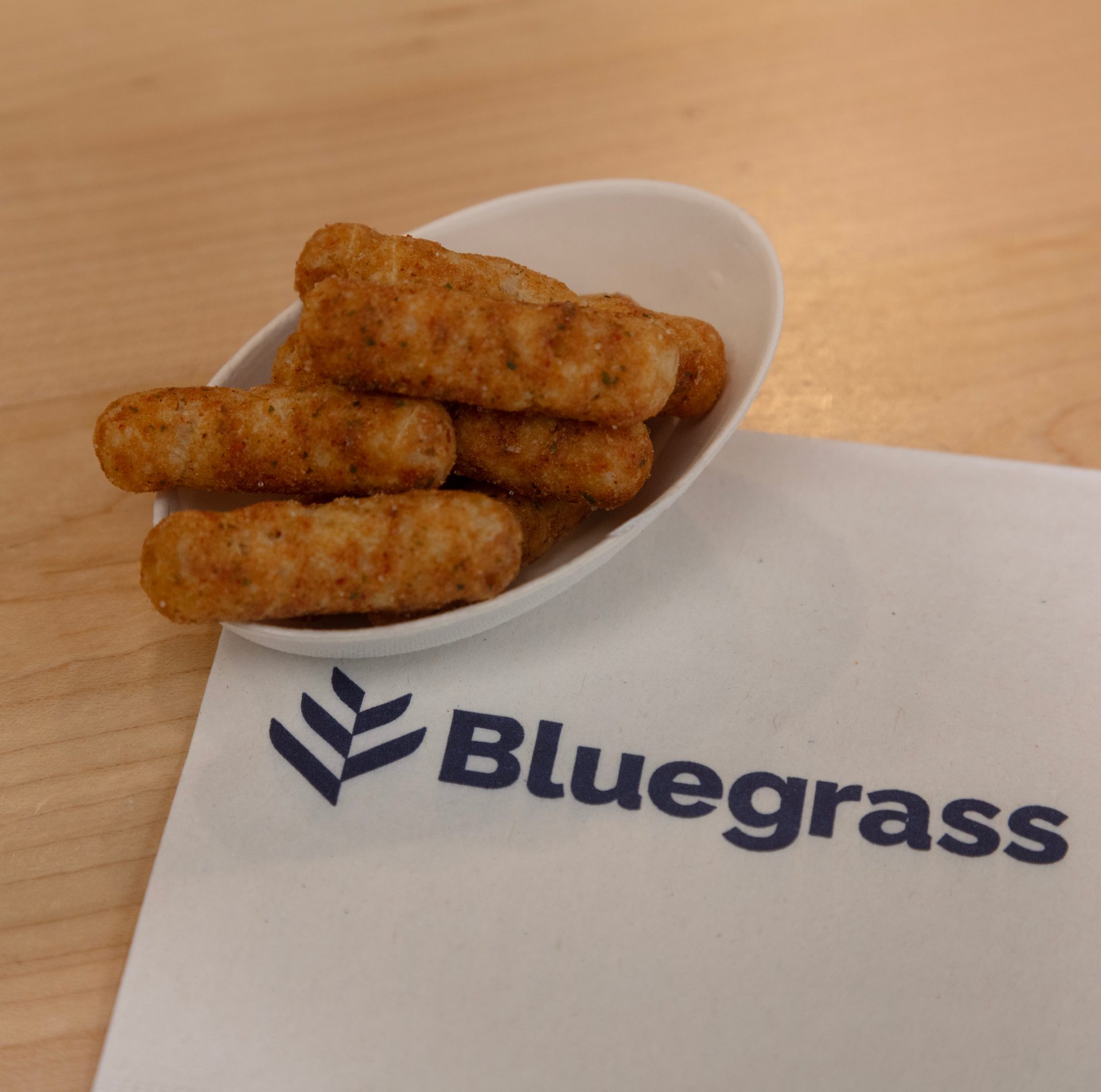
Courtesy of Bluegrass Ingredients
“Consumers are looking for healthier fats, such as those from coconut oil, olive oil, and avocado oil.”
— Jackie Steffey, senior customer innovation manager, AAK