Belts and conveyors
Tech & Techniques
The BOTTOM LINE
- Easy sanitation is a must for most operations
- Labor concerns continue to drive interest in automated equipment
- Increasing product variety necessitates simple changeovers
Moving toward efficiency
Snack and bakery operations prioritize ease of use and efficient operation when looking for belts and conveyors.
Ed Finkel, Contributing Writer
Snack food and wholesale bakery companies in the market for new or improved belts and conveyors are most often concerned about quick cleanability, greater efficiency, and features like tool-less disassembly and automation that require fewer and less skilled employees, according to manufacturers of those types of equipment. Those suppliers strive to deliver on those needs, offering equipment and features that make producers’ lives easier.
Courtesy of Key Technology
Customer needs
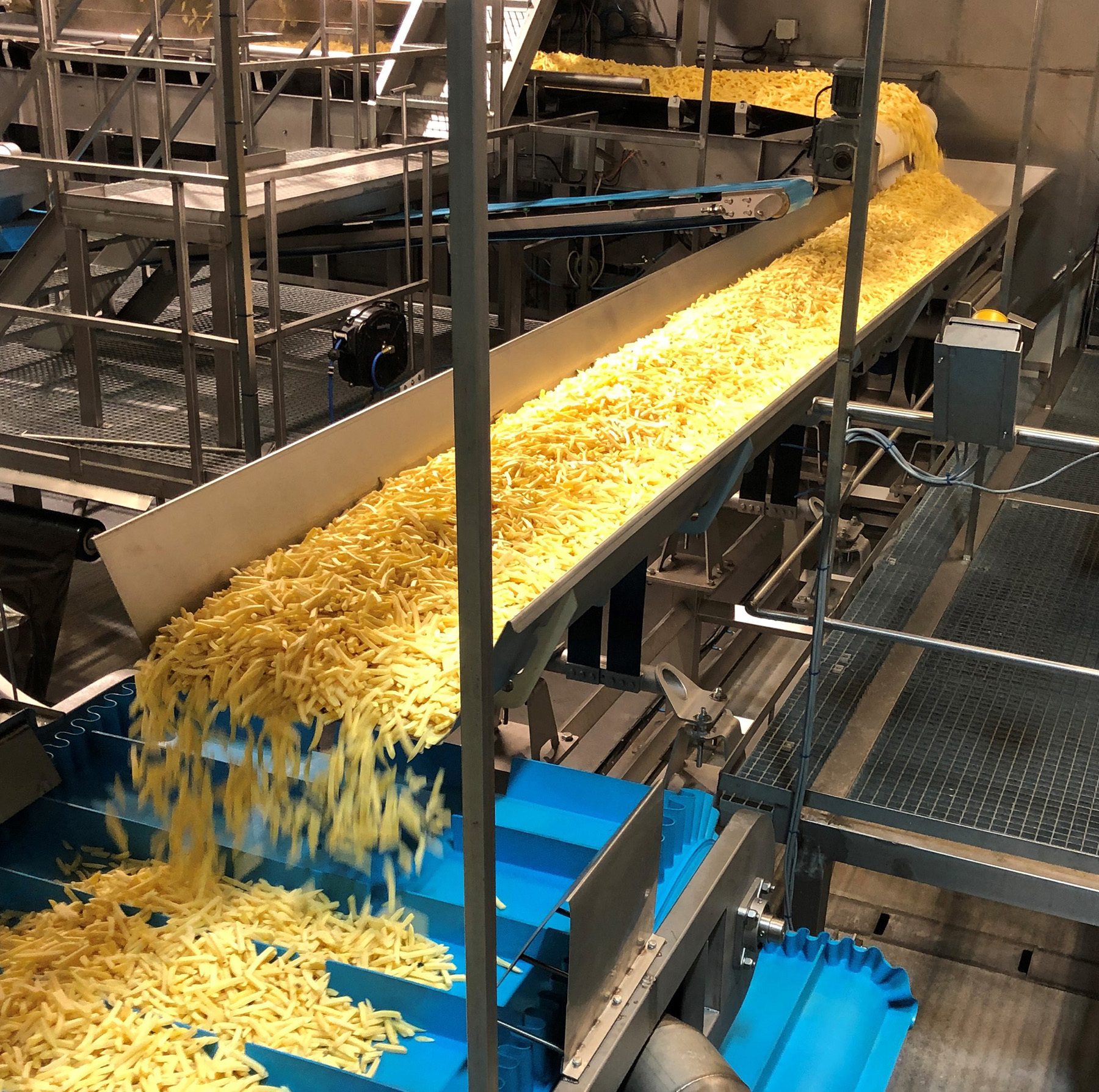
Customers of Key Technology are regularly asking for sanitized design, with equipment that’s faster and easier to clean, says Rudy Sanchez, food handling product manager for the company, which offers equipment that’s 100% welded to keep out contamination. The supplier also gets plenty of requests for greater automation.
“They want equipment that you push the button, and it does what it is supposed to do,” Sanchez says. “They want reliability.”
Courtesy of Cablevey Conveyors
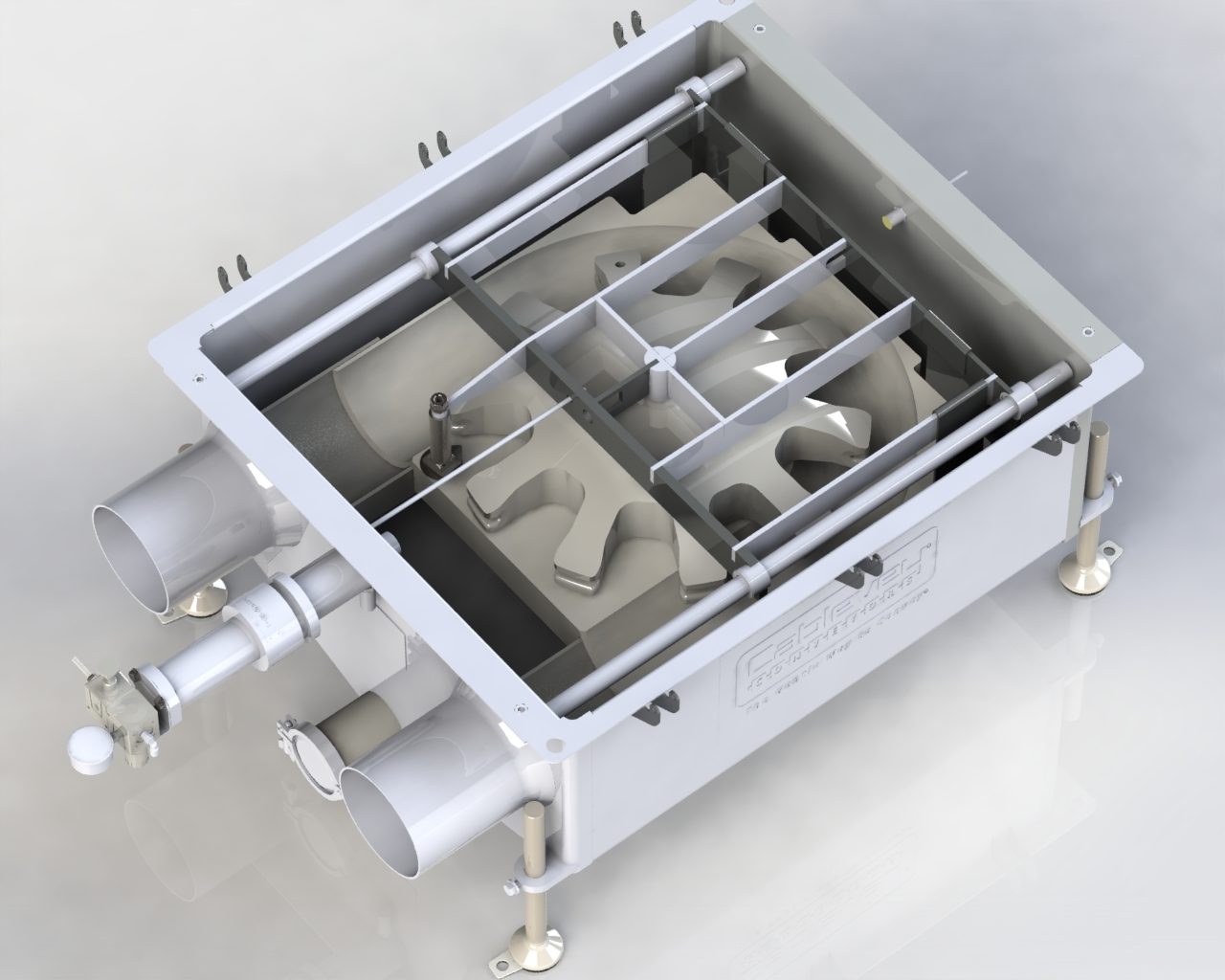
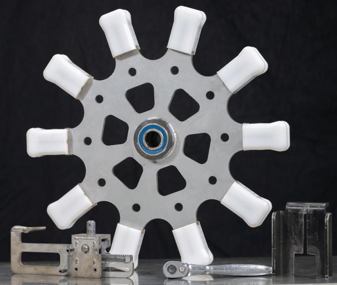
Akona Process Solutions, which makes the Cablevey Conveyors brand, hears the most from snack and bakery companies about their desire to improve existing equipment rather than buying brand new machines. It also fields demands for machines that provide greater efficiency in terms of less product getting lost in the process, and equipment that requires less labor and maintenance time, according to John Adair, new product development engineering manager.
“They want to work with what they have in terms of personnel,” he says.
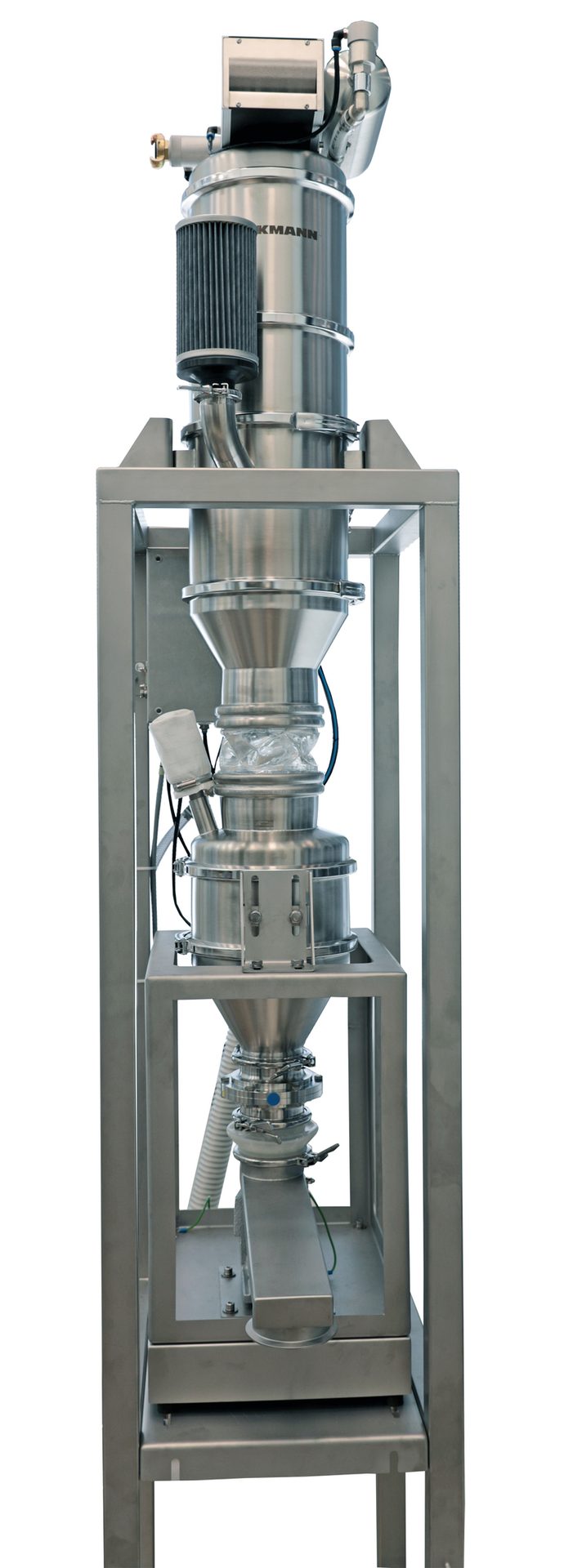
Courtesy of Volkmann USA
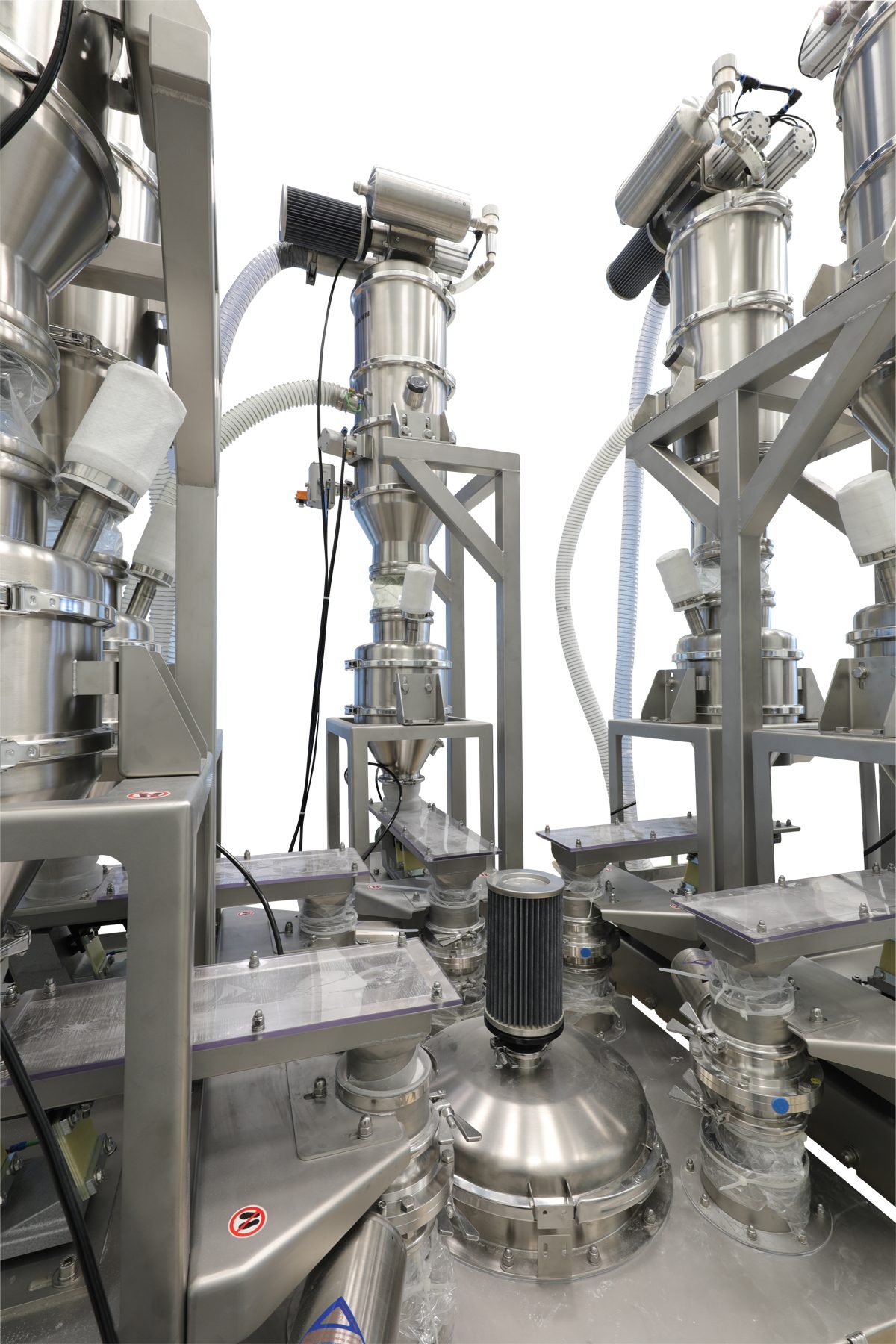
Dominick Fortuna, president of Volkmann USA, notes his customers want equipment that safely contains products, both to avoid exposure and contamination from the outside, but also for greater employee safety. They also want enhanced automation and other features that reduce labor costs.
“Automation, labor reduction, and safety are key points for us,” he states.
Courtesy of Bartelt
Courtesy of Delkor Systems
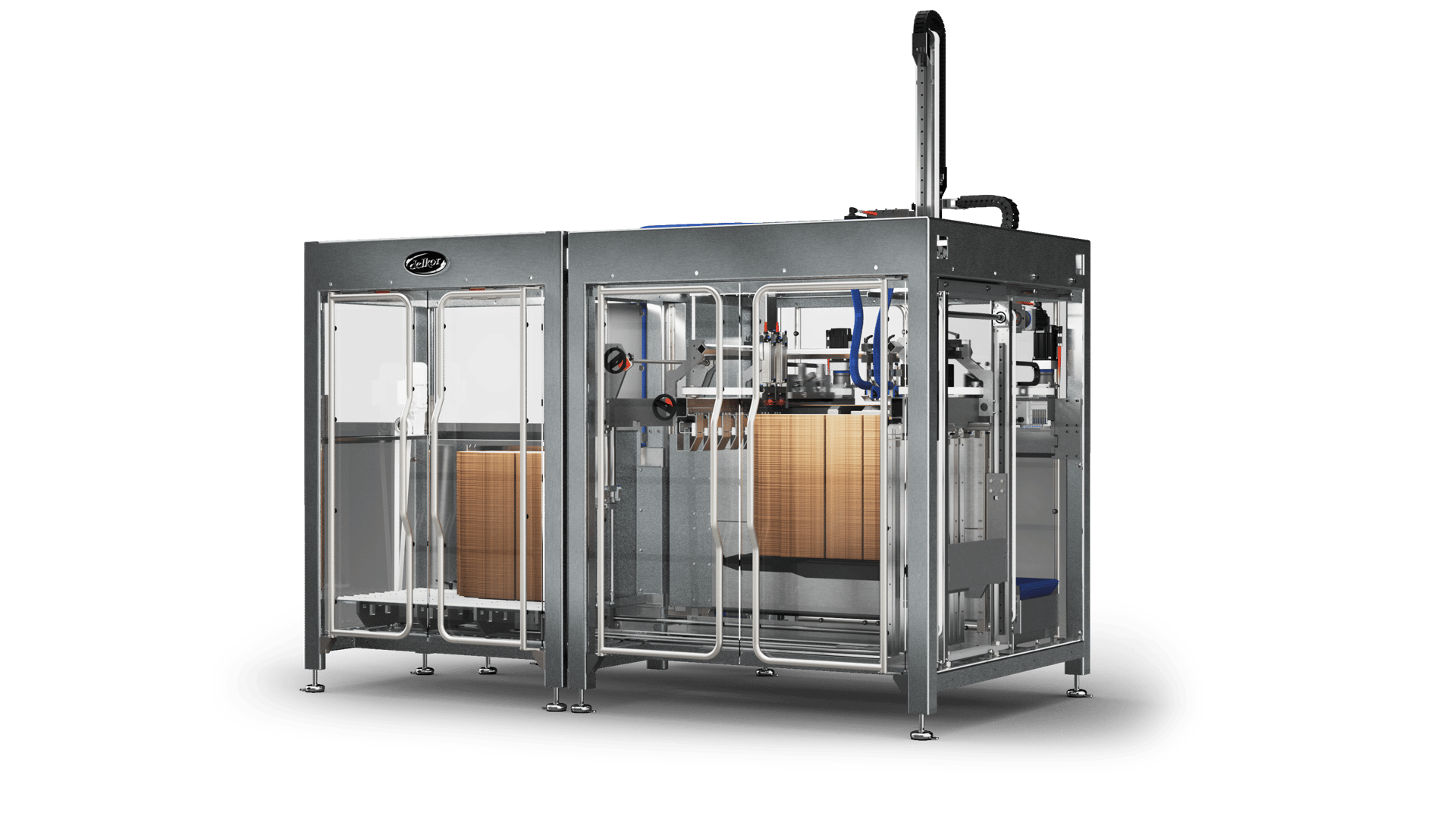
Delkor Systems plans to introduce a new generation of Combo-line Bread Case Packers designed as an all-in-one solution for single-use shippers and reusable trays in 2025. “Producers can switch between corrugated (one way) shippers and bread tray formats in the same machine,” says Dale Andersen, president and CEO. “Retailers are moving away from direct store distribution (DSD) trays and into corrugated cases due to the challenges and costs involved.”
Delkor Systems recently introduced Smart-Lock, which streamlines packaging size adjustments using a linear bearing slide, LED-based feedback and an automatic locking system. It reportedly eliminates the need for rotary counters, allowing precise, manual adjustments with minimal effort. “It is three times faster, more accurate and designed to virtually eliminate operator errors,” Andersen notes.
“Customers want conveyor belts that can be cleaned more easily.”
— Rudy Sanchez, food handling product manager, Key Technology

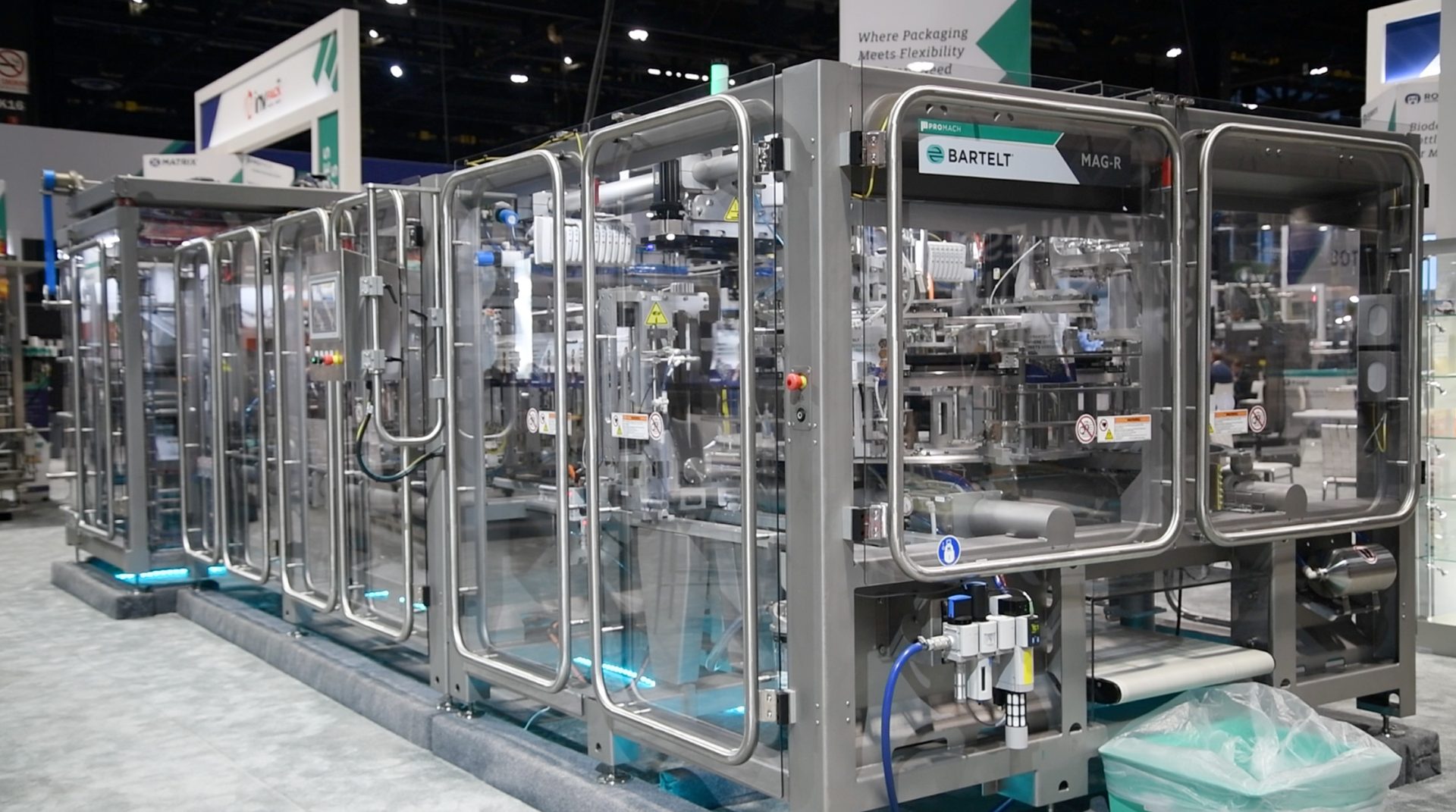
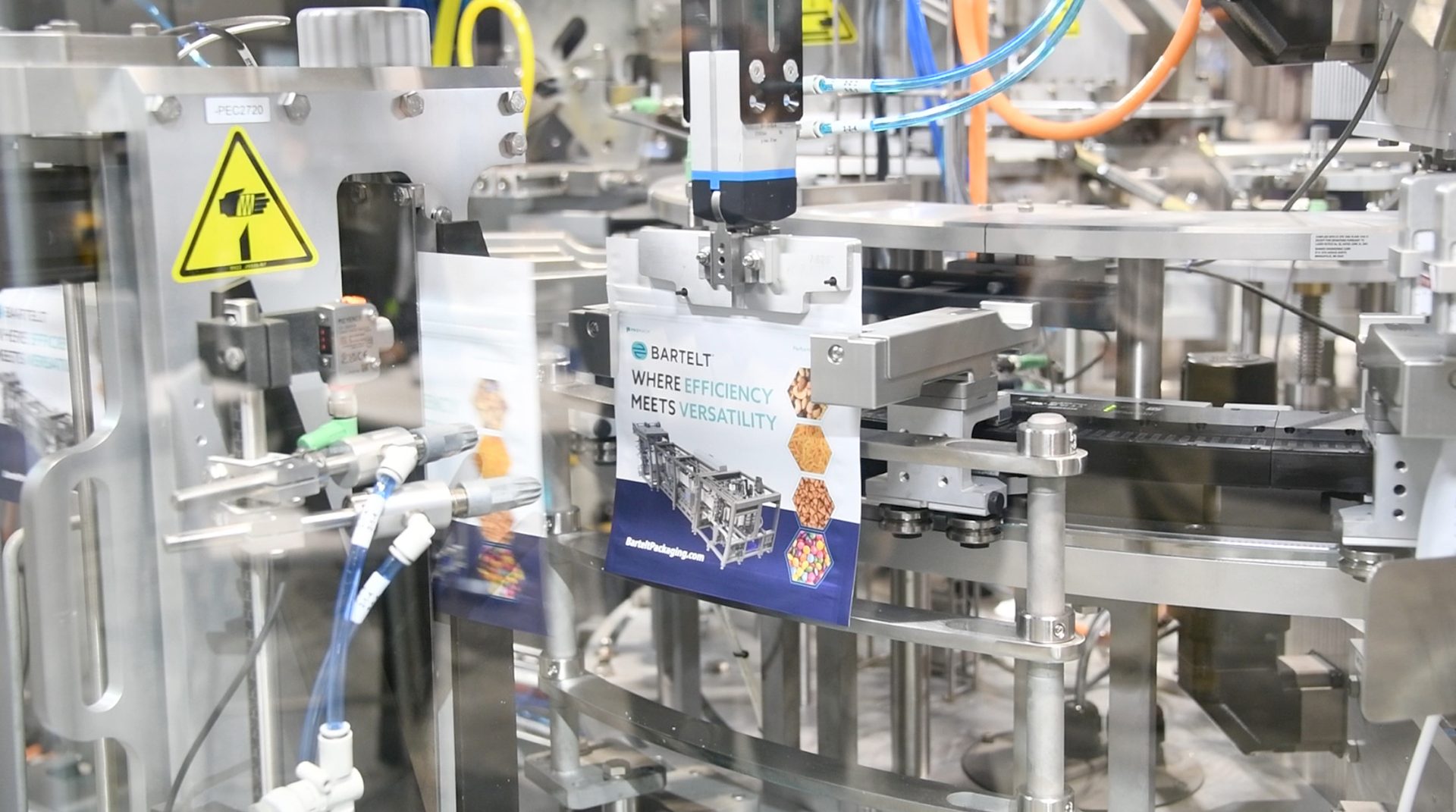
Efficiency is high on the list for snack and bakery companies that contact ProMach product brands like Matrix and Bartelt, according to Camilo Sanchez, vice president of sales. That’s partly due to the need for rapid and constant product changeover.
“[CPG] customers are demanding more flavor variety, and also more variety when it comes to different presentations that they’re seeing in the supermarket,” he says. “The challenge is, [manufacturers] spend more time in that changeover than actually running packaging and production.”
Courtesy of Automated Flexible Conveyor
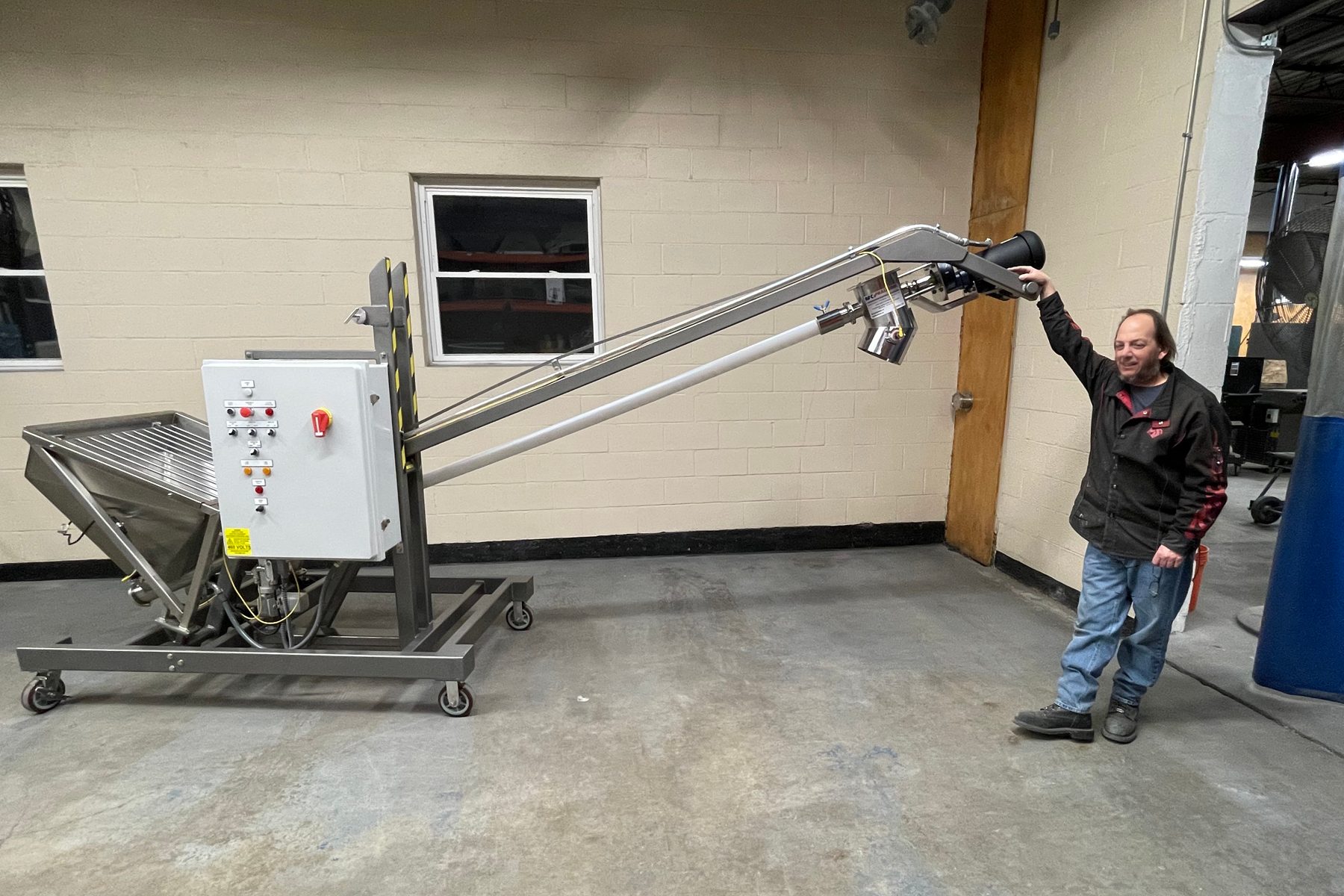
Automated Flexible Conveyor (AFC) customers are trying to limit the contamination coming in and dust going out, reports David Nadel, engineering manager, which means fittings need to be maximally tightened and welds need to be ground down and smoothed out to stop leaks.
“We have hoppers that fit multiple conveyors,” he says. “You have to be able to reduce the tube coming into that hopper to the correct size.”
Courtesy of Ammega Group
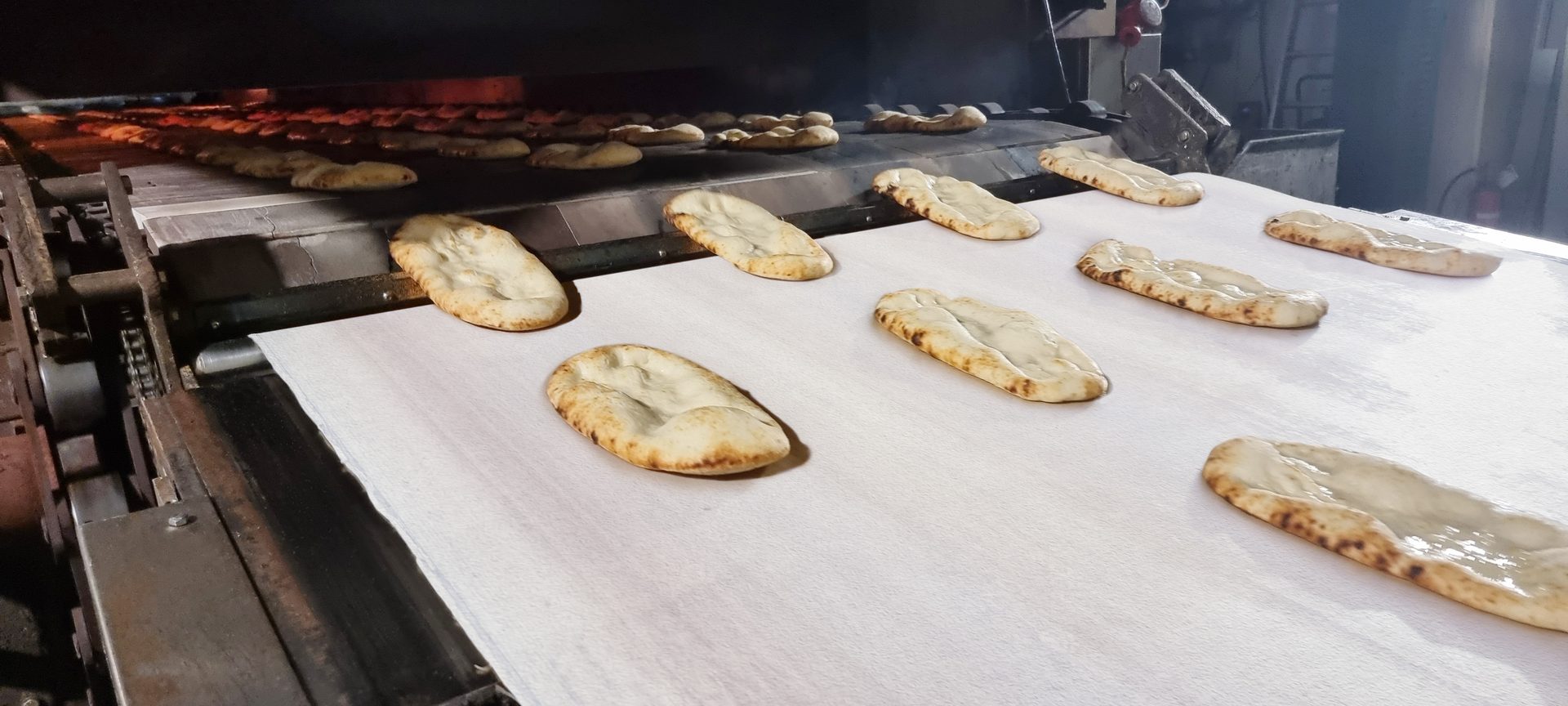
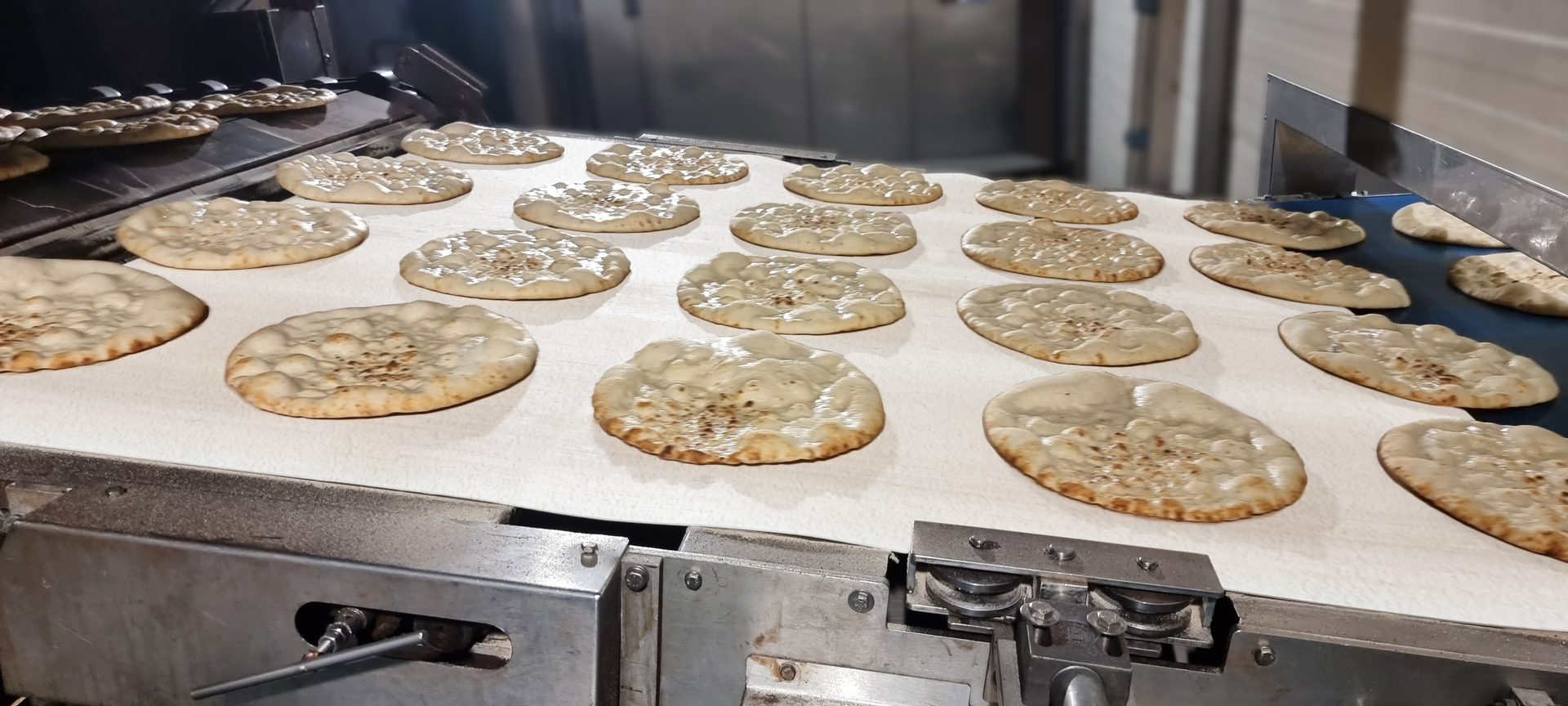
Bobby Bauman, director of product management for Ammega Group, says his customers are looking for wider and faster lines, making operations more efficient, along with tighter transfers that result in less loss of product. In addition, he says, “Cleanability within a conveyor system is continually getting pushed further and further, which is a great thing for all of us. Food safety, I think, is rapidly catching up to Europe.”
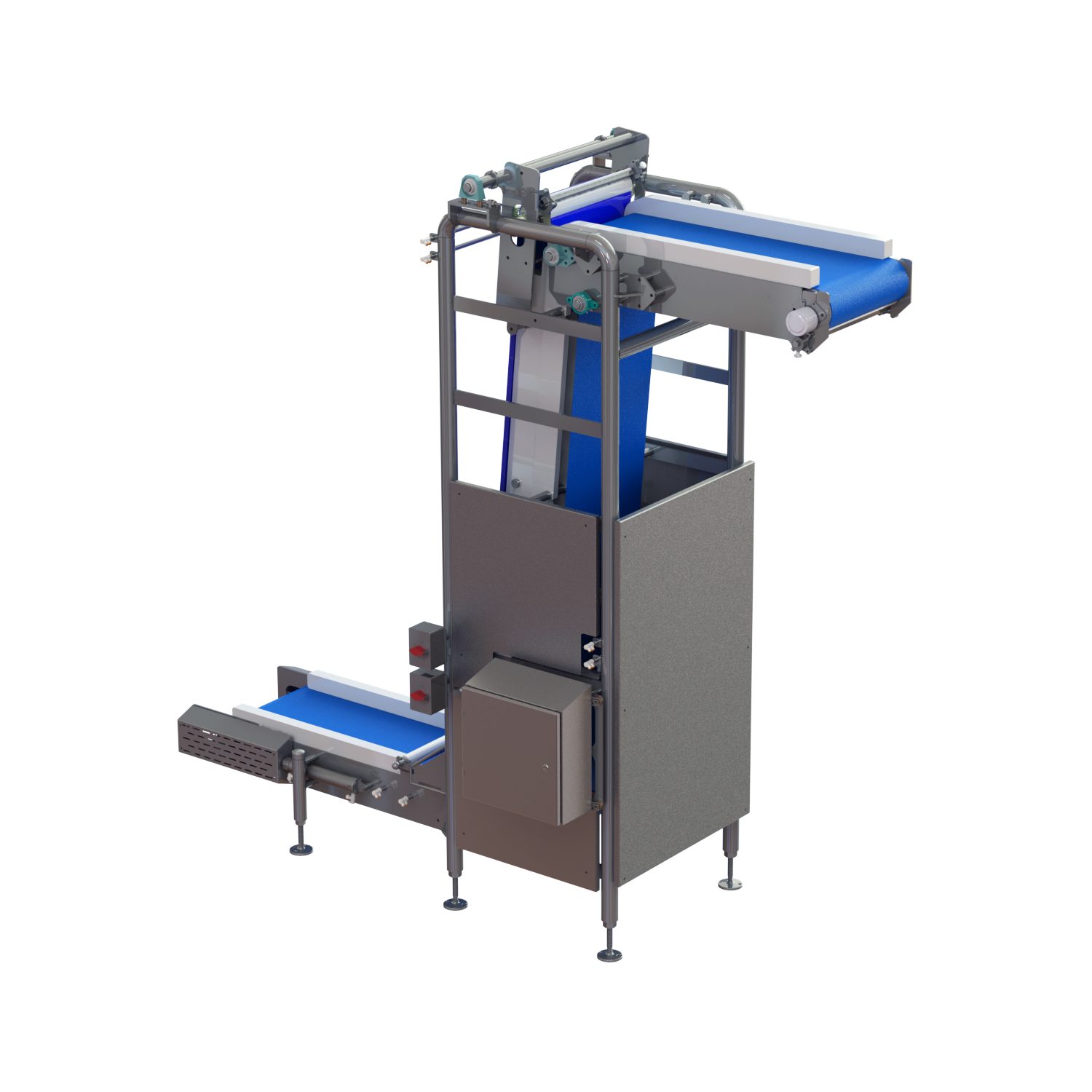
Rapid sanitation and quick changeovers are common desires among manufacturers talking with Cory Williams, sales manager at PFI. He notes one end user, a co-packer, performs about 25 changeovers per day.
“It’s absolutely insane to manage,” Williams says. “What we’ve been asked to do is make the conveyor as sanitary as we can. That includes tool-less removal of all components except for safety guards.”
Courtesy of PFI
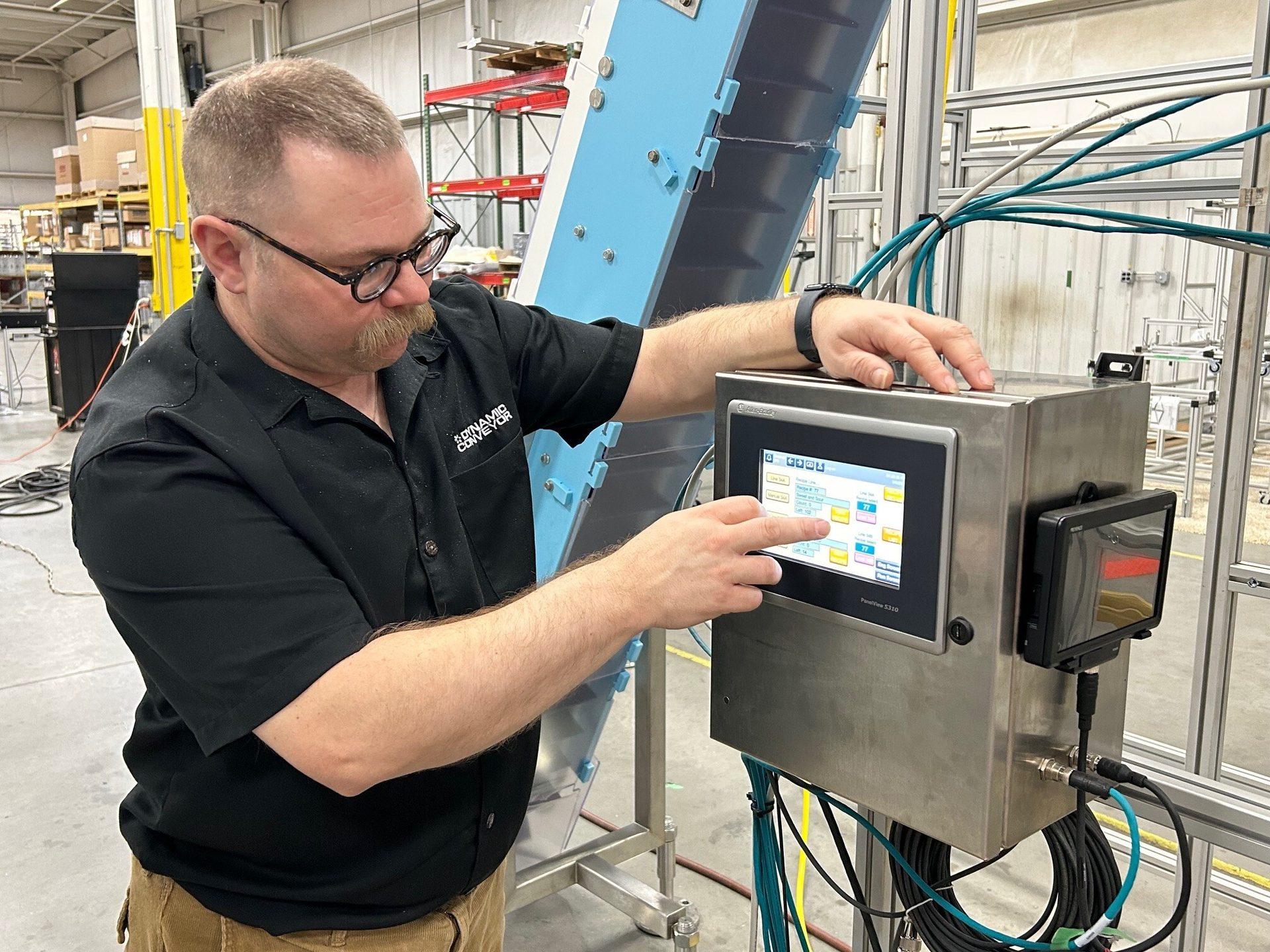
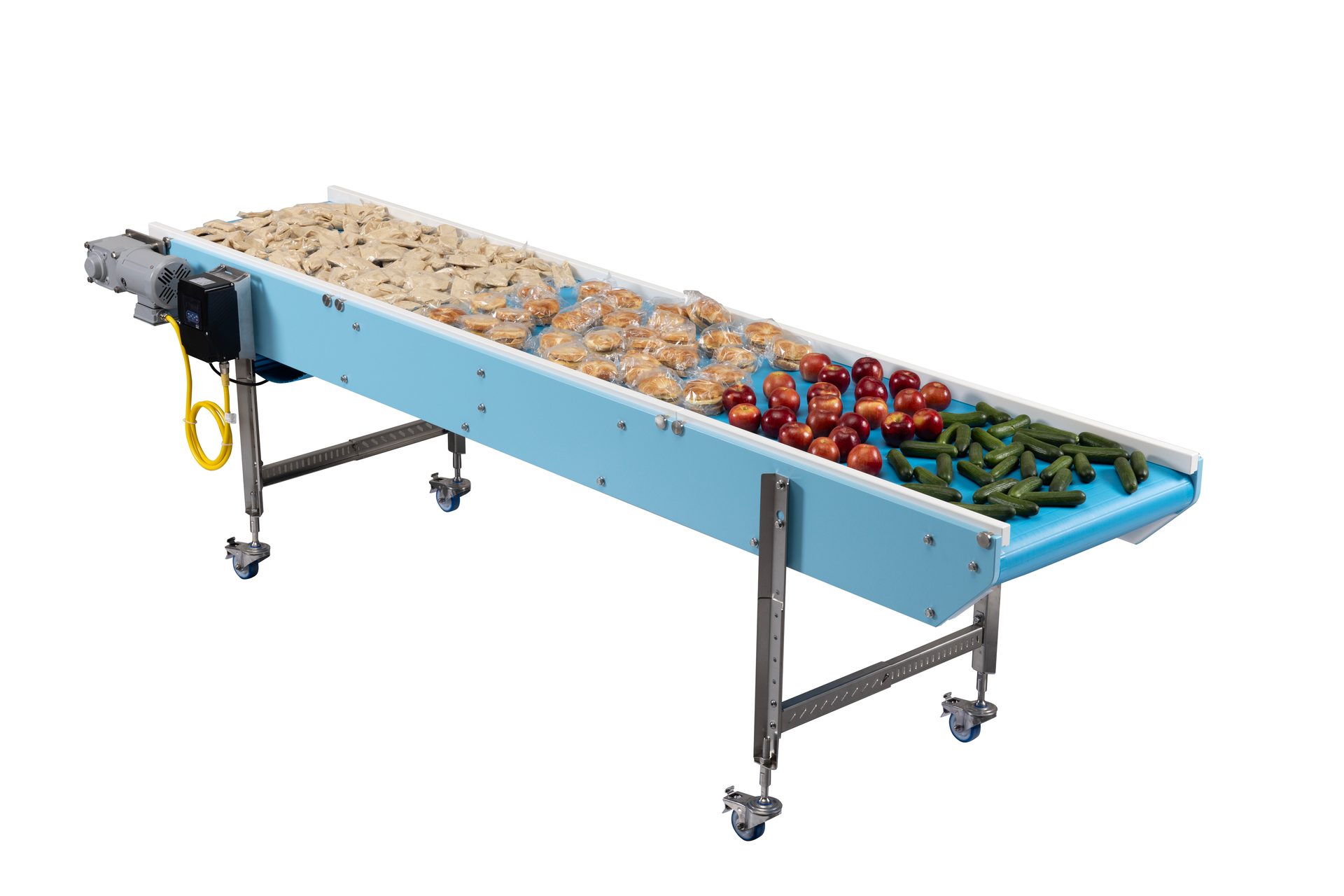
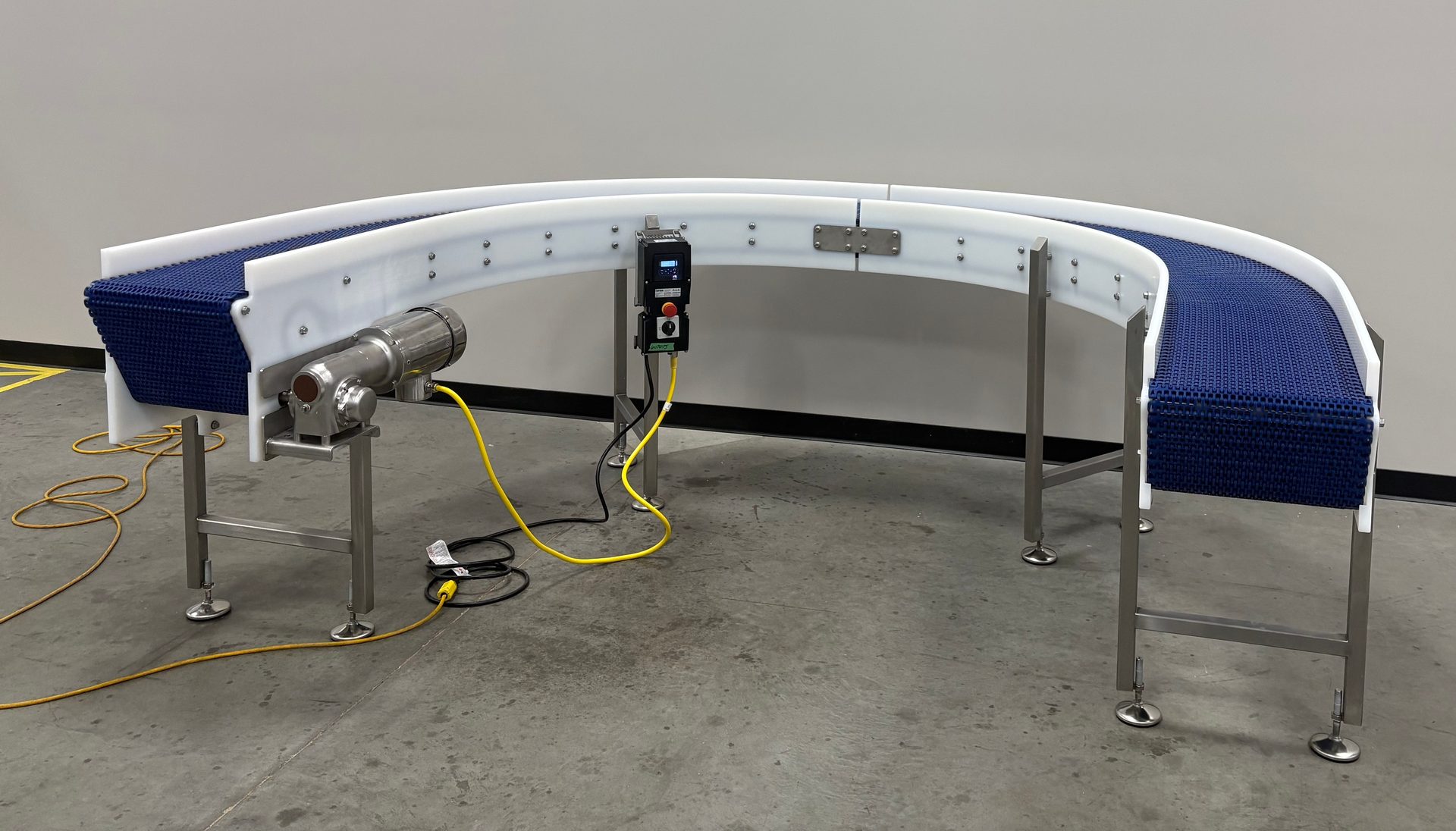
Customers of Dynamic Conveyor frequently have been asking for clean-in-place systems—they’ve been requested in probably half of the conveyors the company has built this year, according to Charlie Afton, design engineering manager.
“It’s just a large time savings on the end user and allows for a quicker product changeover,” he says. “A key selling point for conveyors is tool-free disassembly, so you don’t need qualified maintenance staff. They want lower-skilled labor to be able to do these tasks readily and quickly.”
Marcie Palmer, marketing manager for Dynamic, adds that more companies are looking for ways to use the same conveyor for different products. That requires CIP “especially for the snack industry, with the nuts, chips and overall variety of products,” she says. “With the nut allergies, they have to consider that, too.”
Courtesy of Dynamic Conveyor
Questions to ask
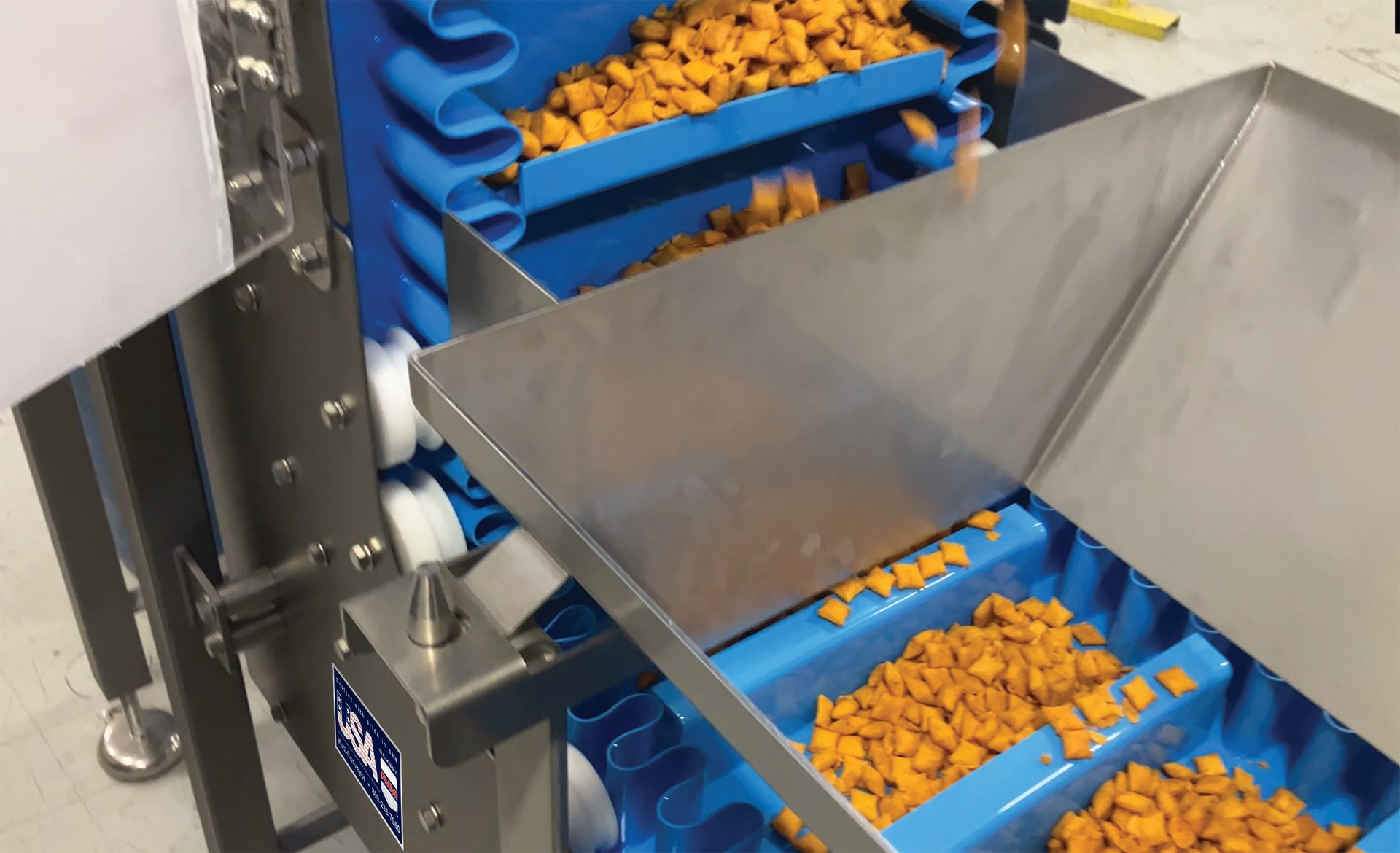
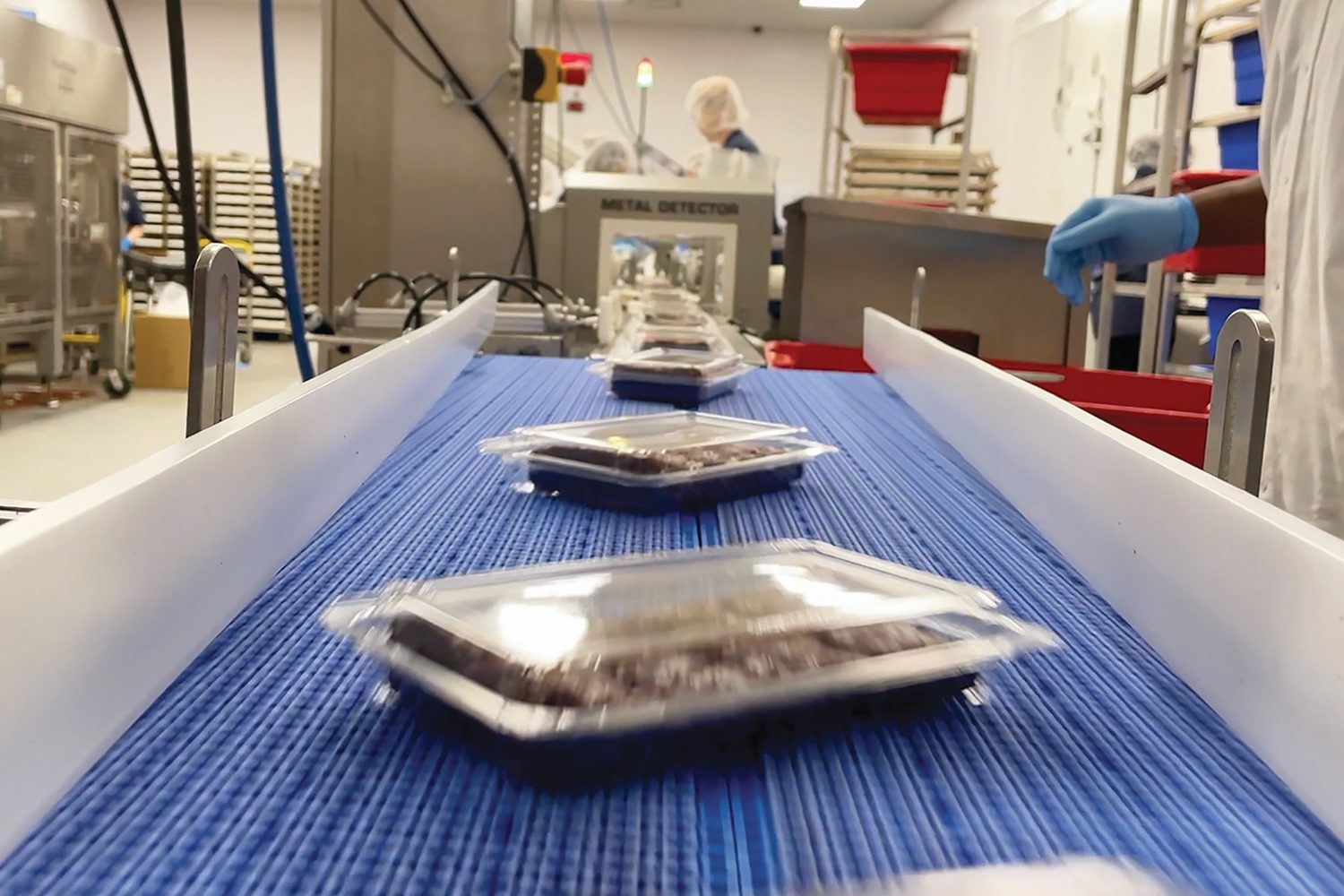
When shopping for new or improved belts and conveyors, customers should ask their potential manufacturers how they plan to meet food safety requirements, says Jim Paulsen, senior sales account manager at Multi-Conveyor. This includes whether they’re easily cleaned-in-place, whether they have quick release methods for belting and chains to make internal components accessible, and whether they have open designs that are both accessible and safe for workers.
“Often the sanitary design and safety requirements seem incompatible, and it is left to the conveyor manufacturer to comply with both groups’ specifications,” Paulsen states. “The ever-present trends to go faster and increase reliability must also be considered. Increased throughput and the elimination of waste and downtime are essential in providing a quality conveying system.”
Sanchez of Key Technology suggests asking what type of welding system the manufacturer uses and how they eliminate cavities in the system to make it more sanitized.
“Another question is, how do you design the system so there is no product spillage, and to minimize the number of laminations between welds,” he notes. “The other thing I would ask is, how efficient is your equipment—and can you give me a certificate of performance [establishing this]?”
Customers should size up equipment and attempt to anticipate their needs in five or 10 years before purchasing, ideally under-sizing it initially, says Adair of Akona. “Another question is, as your company expands, do you see yourself running other products through there?” he says. “How much space do I have, if I want to increase [the size]? Then there’s always standard questions, like, ‘How do you maintain this equipment? How do you clean this equipment?’ If they can’t give you an answer, that’s a bad sign.”
Courtesy of Multi-Conveyor
Fortuna advises snack and bakery manufacturers ask about reliability and ease of cleaning during changeouts.
“Vacuum conveyors and other components, like vibratory feeders, have a lot of connections that … don’t need tools to inspect and clean out,” he recommends. “[Employees] put gloves on, unsnap the clamps, they can pull pieces off, take a look inside and do what they need to do.”
Customers first need to ensure that a particular manufacturer has experience in their application and has worked on similar projects, says Sanchez of ProMach. Understanding where equipment is manufactured has become more important in the current environment of tariffs, he says. Since COVID, many manufacturers are also asking about supply chains for service. “I cannot promise 100% reliability,” he says. “I can promise the infrastructure necessary to support my customers, not only today but 10 years down the road.” Lastly, customers should ask about the level of R&D, “to come up with new, cutting-edge technology.”
Bauman of Ammega agrees that tariffs and the supply chain should be on customers’ minds. “Where is the product being produced and how is that supply chain affected by that?” he says. He also suggests asking if belts are hydrolysis-resistant, “because that’s where, if they’re not, you’re going to get bacteria growing.” And make sure belts are sufficiently flexible so they don’t start cracking going around smaller pulleys, which can lead to harborage, he adds.
Snack and bakery companies should be asking more questions about sanitation, reliability, functionality and ease of disassembly than they typically do, advises Williams.
“They find an engineering fit, and a price, and lead time that works for them; and then they get it in the plant and go, ‘Oh my gosh, how do I clean this?’” he says. “It’s operations and maintenance that have to live with this on a daily basis.”
Nadel counsels potential customers to ensure that a piece of equipment is the right fit, both for their space and their products.
“You have to be truthful, tell [the manufacturer] what you are conveying, and what are your expectations from point of entry to exit,” he says. “We’ve done peanuts or mixed nuts. You do get breakage. They have to ask about that.”
At the outset of the conversation, snack and bakery manufacturers should be detailing their pain points, says Afton.
“Automation, labor reduction, and safety are key points.”
— Dominick Fortuna, president, Volkmann USA

“Manufacturers are always looking at new products, formats, and SKUs, and inspection equipment needs to be flexible enough to support that.”
— Richard Reardon, general manager, Antares Vision Group