Chocolate and cocoa
INGREDIENTS
The BOTTOM LINE
- Cocoa prices remain volatile
- Consumers are seeking a balance of good health and delicious indulgence
- Low-sugar and plant-based formulations continue to attract purchases
Cravings for chocolate
People want chocolate in their baked goods and snacks, as well as health benefits.
Jenni Spinner, Chief Editor
For many sweet-toothed people, chocolate is the tempting ingredient that is most likely to get their attention, and their dollars. However, the kinds of chocolatey products they’re putting on their shopping list is constantly changing—keeping track of those ever-evolving desires is just one of the many challenges facing producers looking to provide items that fulfill consumers’ chocolate cravings.
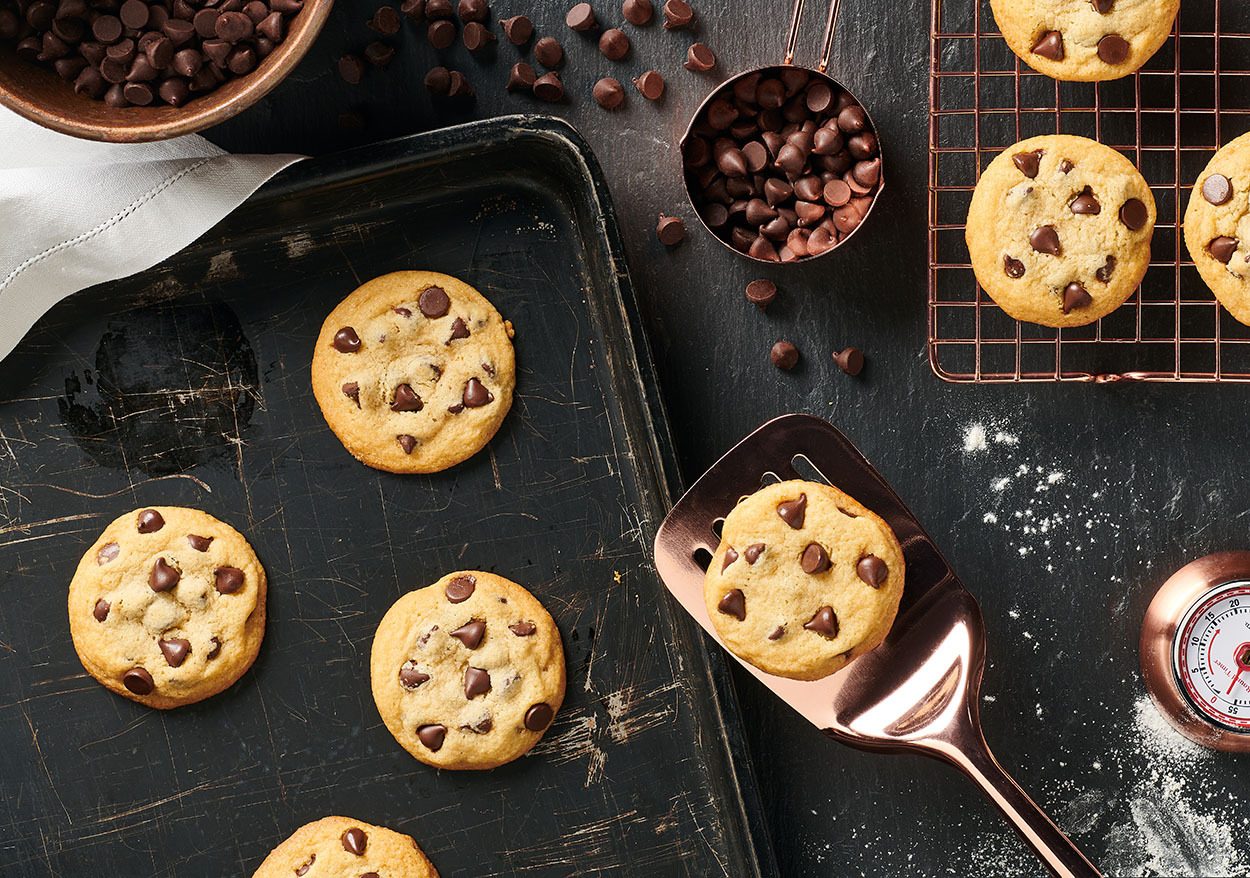

Courtesy of Cargill
Tasteful trends
Trends at play regarding baked goods and snacks incorporating cocoa and chocolate include:
- Healthy indulgence: consumers keep looking to treat themselves with the sweet taste of chocolate, but healthier items can offer a greater pull
- Functional facets: related to the first point, items that promise specific benefits (better sleep, energy, and other heath aspects) might attract greater attention
- The dark side: the reputed health benefits of high-cocoa-content dark chocolate can make a product seem more “guilt-free”
- Plant-based: whether eating vegan for conscious or health reasons, consumers increasingly reach for items sans animal products
- Sustainability and ethics: just as confections seen as eco- and people-friendly draw mindful buyers, so can baked items and snacks containing sustainable, ethical cocoa
- Flavor fusions: chocolatey flavors appeal to hungry shoppers, but items that blend cocoa with other notes (spicy, floral, herbal, nutty, even boozy) can increase purchases
- Texture takes: treats that offer a multi-textural experience by incorporating different layers, crunchy nuts, chewy fruits, and others can make eating more adventurous
Key considerations
While consumers’ preferences around chocolate constantly shift, some factors are always on the list, while others may rise and fall.
“Taste is still the top priority,” states Katie Knapp, senior technical services specialist at Cargill. “Whether it’s a cookie, snack bar, or sweet pastry, indulgence remains a key driver for consumers. Rich chocolate flavors are a perfect fit here, bringing decadence and delight to every bite.”
Ravi Arora, director of sales and marketing Global Organics, says consumers also want mindful indulgences, often reaching for tastes that feel like a treat but offer healthful benefits. This combination presents producers with both challenges and opportunities.
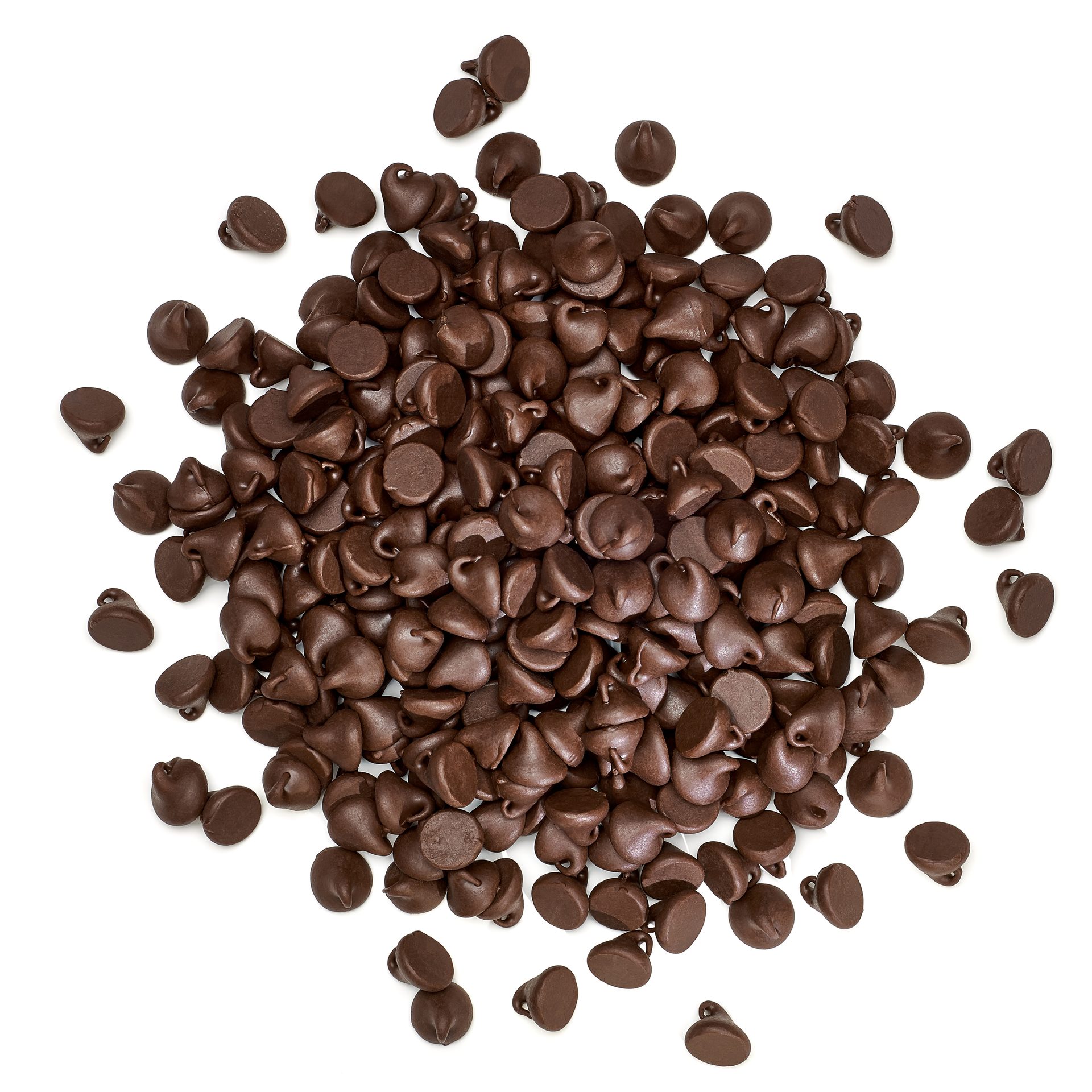
Courtesy of Global Organics
Courtesy of Guittard
“Consumers want to feel good about what they’re eating,” he says. without giving up flavor. “While adding protein and fiber bolsters a product’s nutritional profile, it often comes with texture and taste considerations. Adding chocolate or compound can help enhance mouthfeel, mask off flavors and add an element of indulgence, making the better-for-you choice feel more like a treat.”
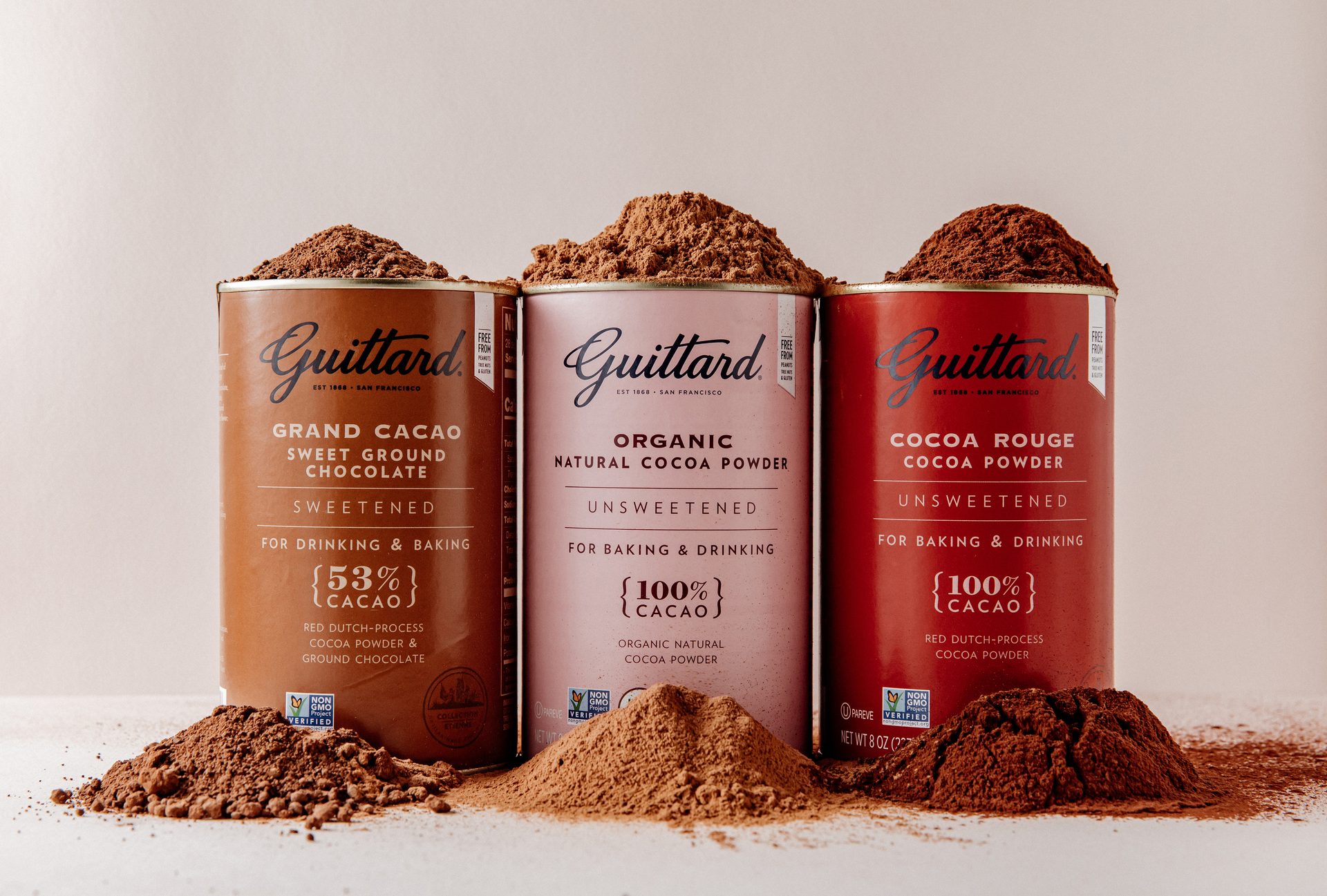
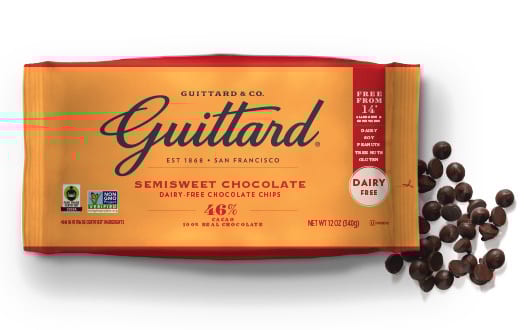
Amy Guittard, chief marketing officer with Guittard Chocolate, says while consumers continue to pop chocolate-filled items into their mouths, there are certain ingredients they seek to avoid munching on.
“We are seeing that consumers are choosing more natural ways to meet health and dietary needs and are avoiding artificial, highly processed, or unfamiliar ingredients (or alternatives), as well as avoiding products with long and confusing ingredient statements,” she observes. “In looking for lower-sugar options, consumers are seeking more natural alternatives to cane sugar or even a higher percentage of cacao to achieve both health and taste goals. That said, some natural sugar alternatives can impart flavors they may find off putting, so it is important to keep taste at the forefront as you remove and replace ingredients. We are seeing consumers driven toward quality and eager to pay a higher price for flavor, experience, and transparency.”
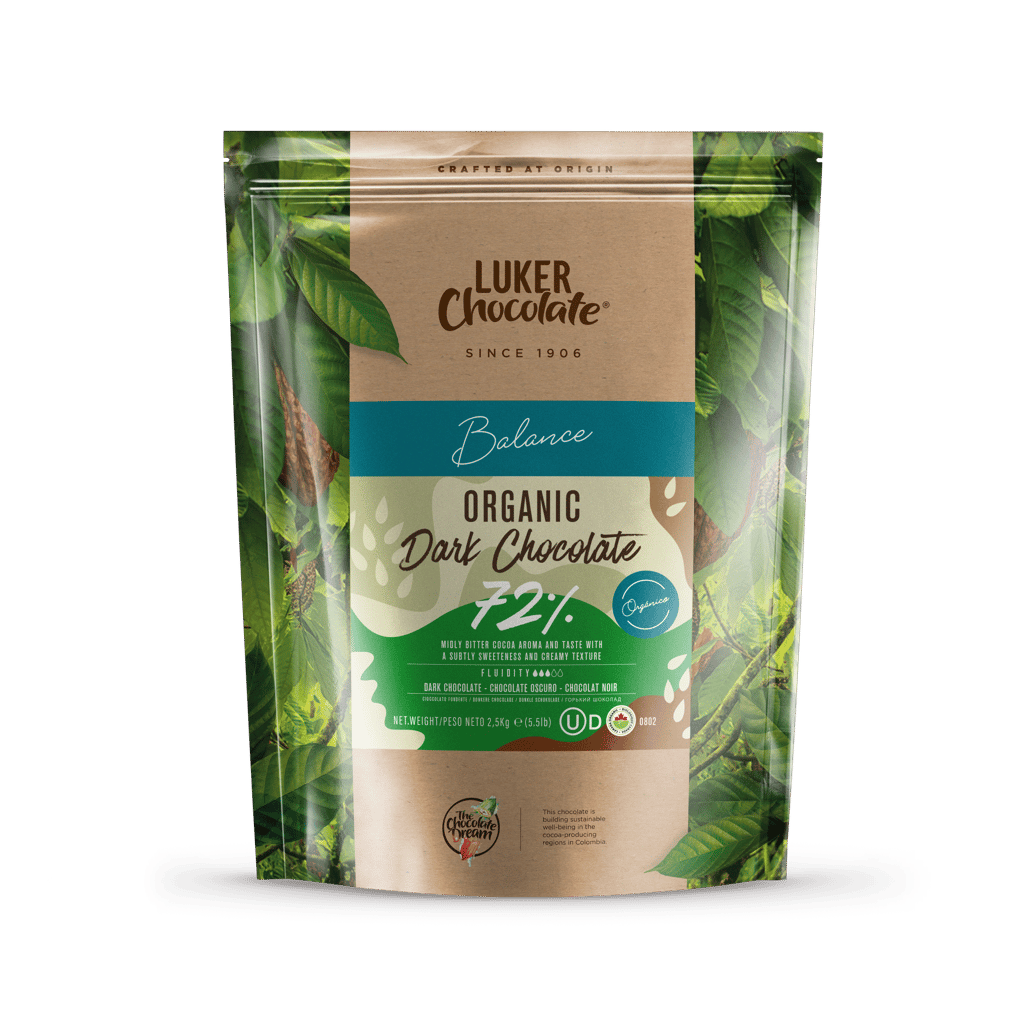
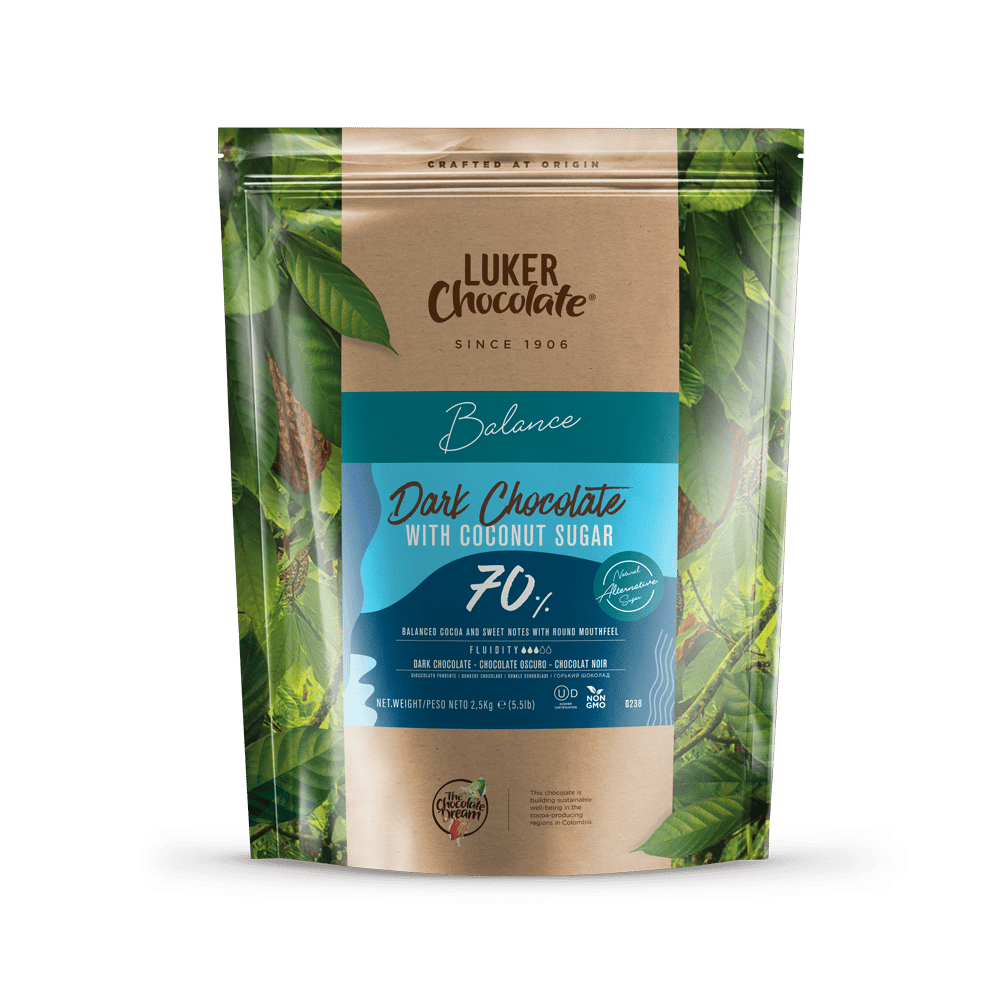
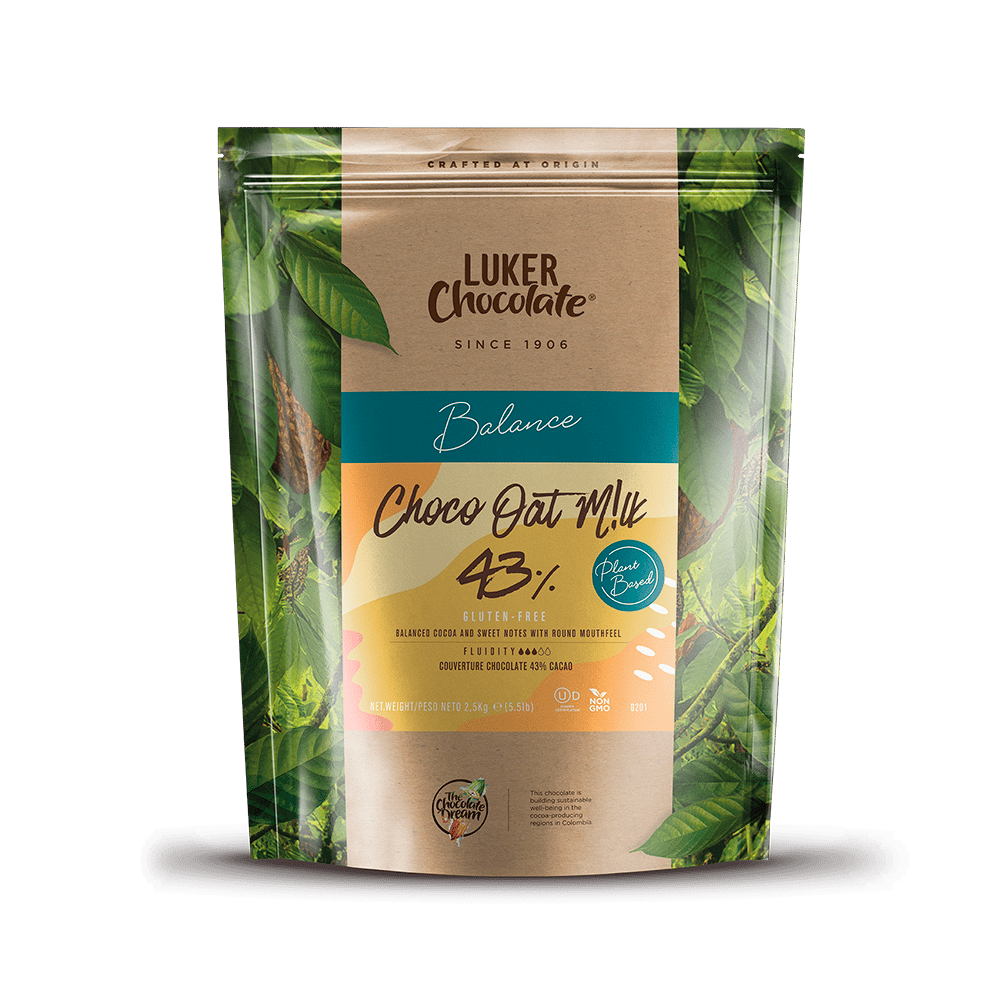
Rachel Fish, business development manager with Luker Chocolate, says she has also noticed health and dietary concerns influencing purchases and product formulations.
“Allergen-free, kosher, and parve chocolate options are gaining popularity as consumers seek products that cater to diverse dietary needs and lifestyles,” she says. “At the same time, the plant-based movement continues to influence innovation, with non-dairy alternatives, such as oat milk chocolate, a growing favorite in both on-the-go snacks and better-for-you baked goods.”
Product possibilities
Keeping track of moves producers need to make when launching new items with chocolate and cocoa in the mix is challenging, but savvy suppliers work to provide solutions and advice to assist in that vein.
“To support our customers in this dynamic space, Cargill has conducted proprietary research offering insights into both the bakery and snack categories,” reveals Knapp. “This research reveals the product features and demand drivers consumers seek today, and where opportunities may lie for manufacturers.”
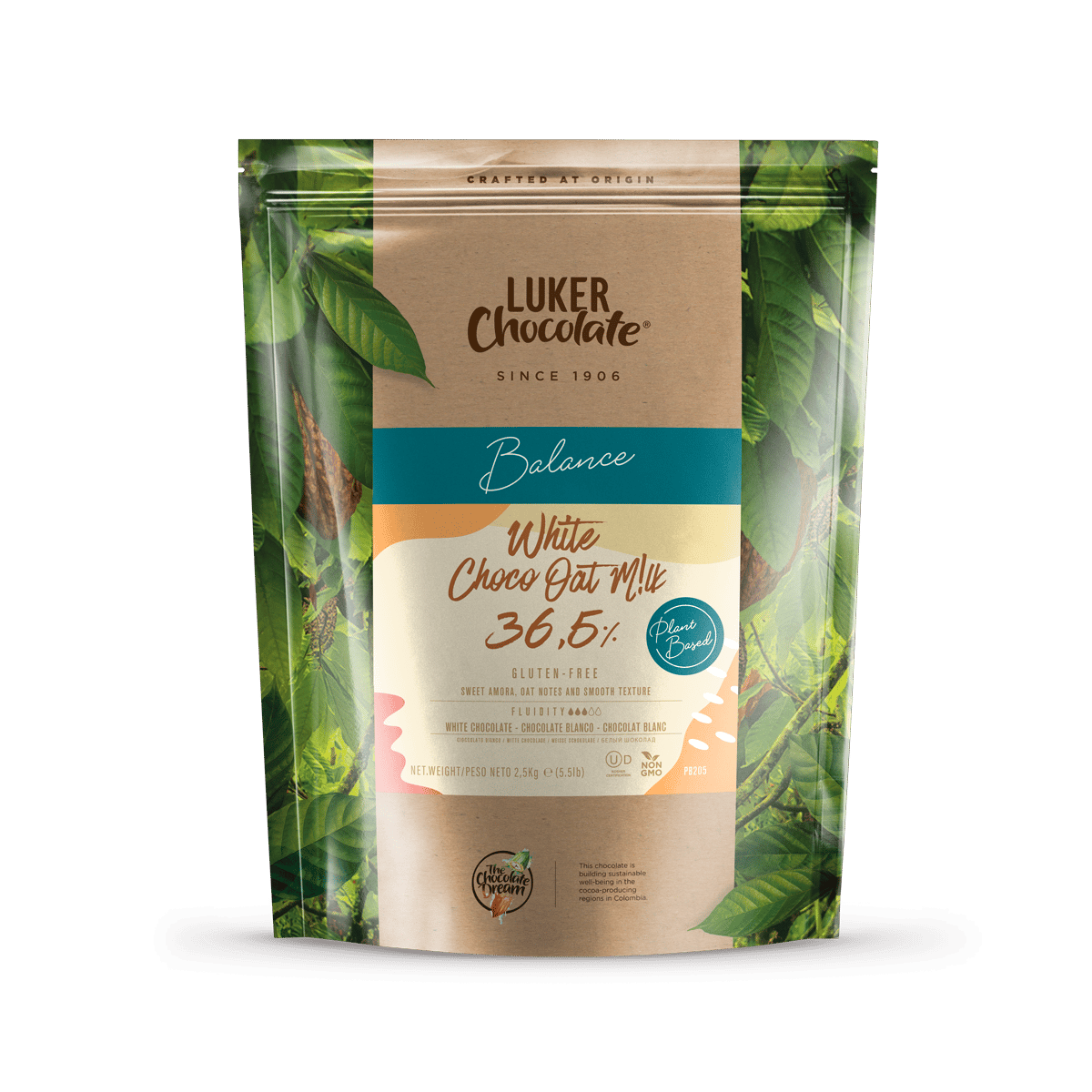
Courtesy of Luker Chocolate
Among the attributes consumers increasingly seek, Arora says, is organically grown ingredients on the labels. As the name indicates, Global Organics offers a range of such ingredients, like dark, milk, and white chocolate in chips, chunks and couvertures.
“Chips and chunks are available in a variety of sizes and are ideal for use as inclusions in baked goods, bars, granolas and other snack applications,” he notes. “Couvertures are primarily used for coating, dipping and molding due to its high cocoa butter content and fluidity. These chocolates are Organic Certified, Certified Kosher (Dairy or Pareve) Halal Certified, and we offer many fair-trade certified products as well.”
Guittard reveals her company also has endeavored to deliver chocolate solutions that provide a mix of premium taste, health benefits, and meet dietary requirements.
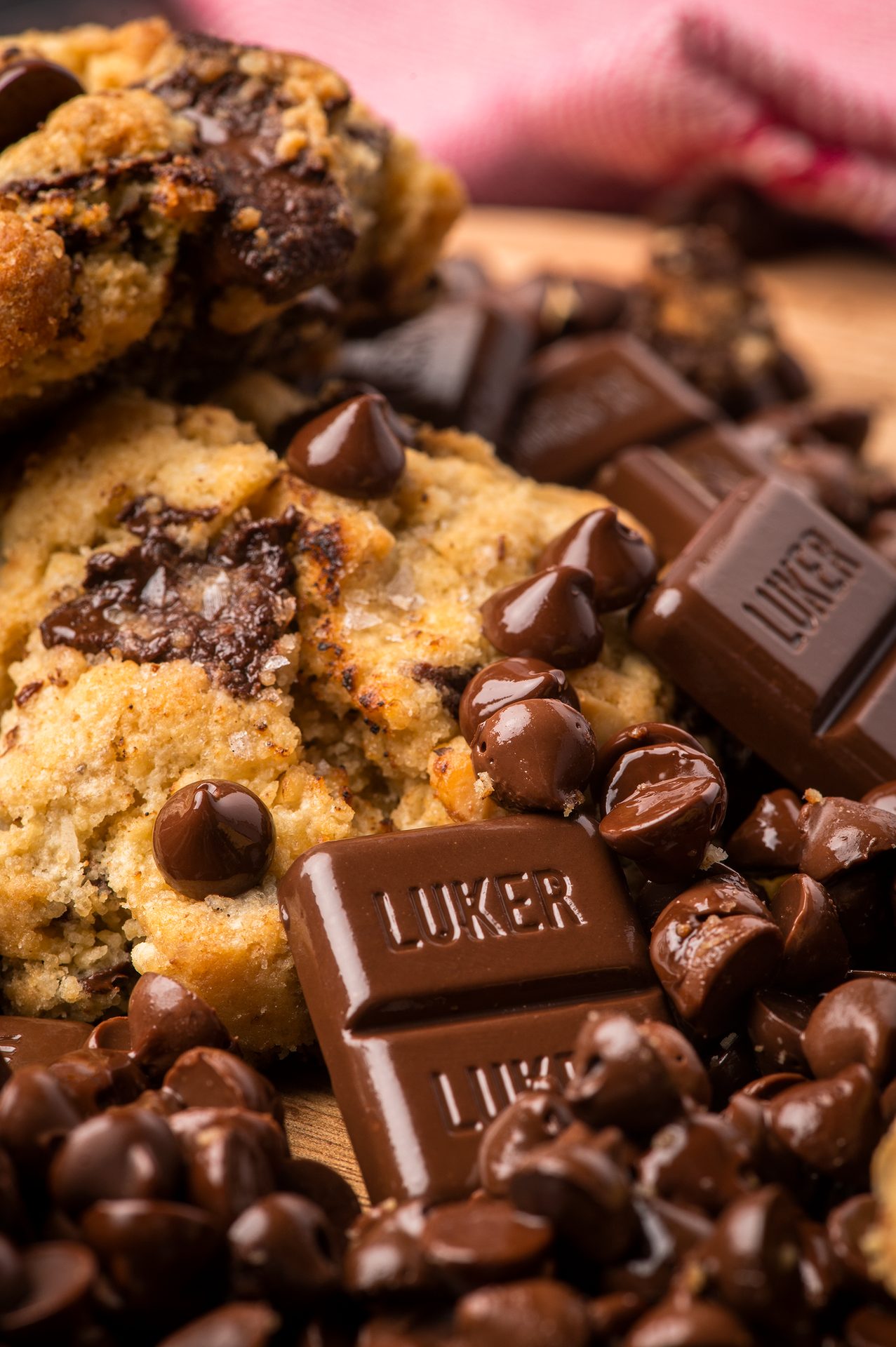
Courtesy of Luker Chocolate
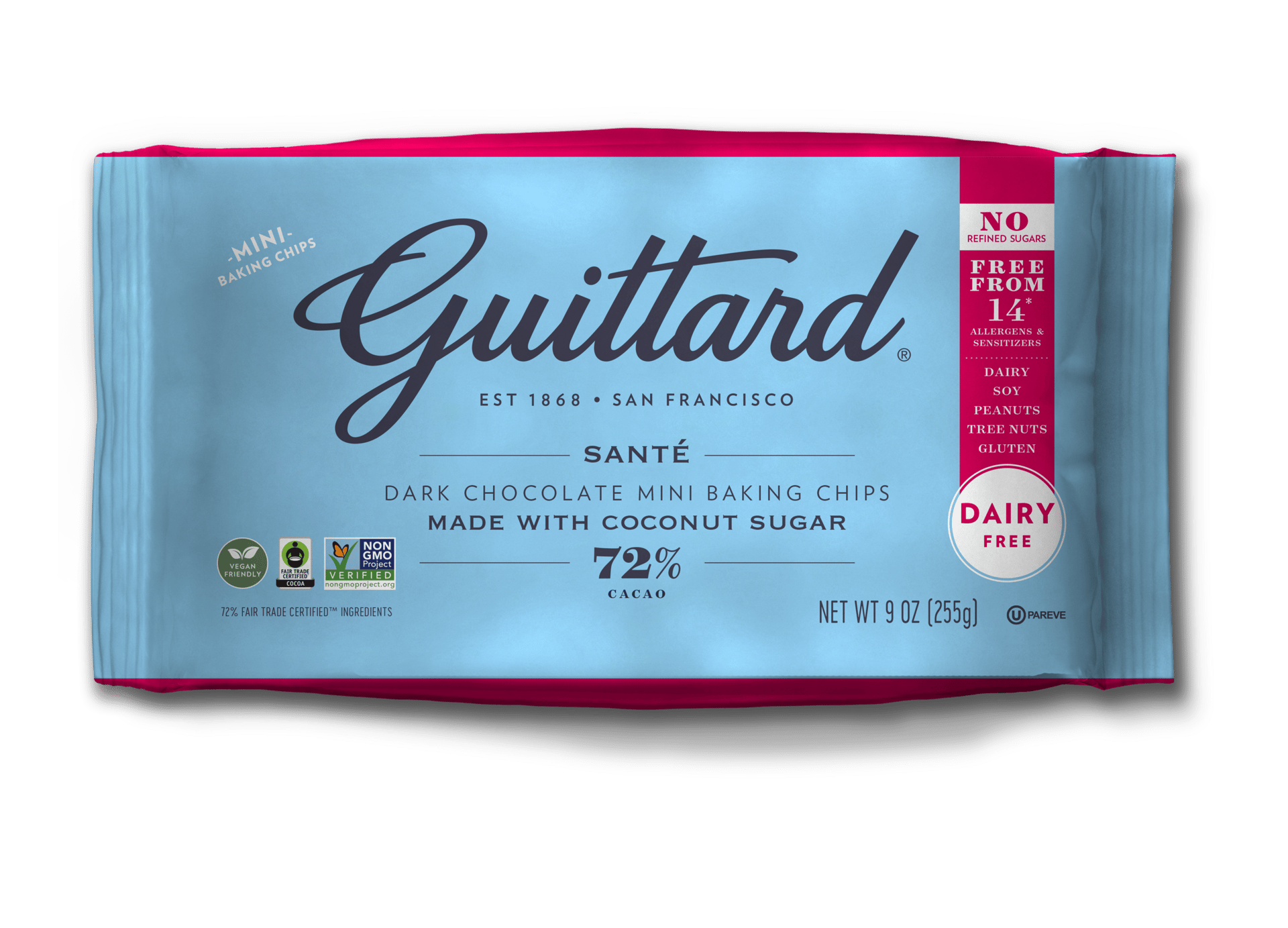
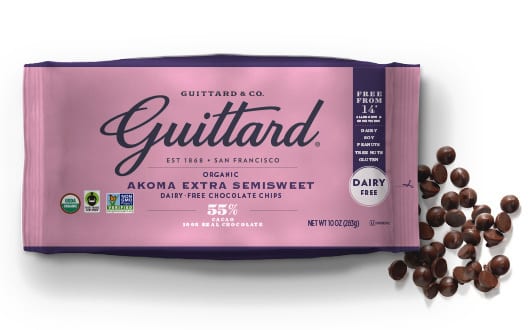
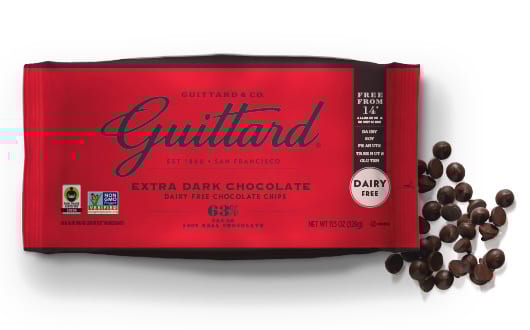
“At Guittard, we offer a range of innovative products within our Mindful Choices portfolio, and these products have been extremely well received—one of our best sellers is our Santé, a 72% cacao cookie drop sweetened with coconut sugar,” she says. “We also have a line of vegan, dairy-free, and kosher pareve cookie drops and wafers that are great for bakeries or snack makers looking to meet consumers' dietary considerations. We were able to make these products with the same great taste as our original products by creating a new manufacturing line that allows us to separate our milk products from our dark chocolate so there are no traces of dairy.”
One of the biggest challenges pressing down on producers is the volatile cocoa market. Bakers and snack makers are faced with the task of delivering products that offer the taste of chocolate without putting the price tags of such items into the stratosphere.
“Formulators are under pressure to manage costs, yet still deliver on the taste, texture and visual appeal that consumers expect from chocolate-containing products,” says Knapp. Cargill’s compound coatings and inclusions offer one solution; formulated with alternative fats such as palm oil, compounds are easy to work with and don’t require tempering. They can help lower formulation costs and boost shelf life, key considerations in today’s environment—additionally, compared to traditional chocolate coatings, they offer improved heat resistance, better shine and color, and a delayed onset of fat bloom.”
Fish also says producers continue be pressed to pivot rapidly in the face of shifting consumer demands—an issue companies like Luker can help with.
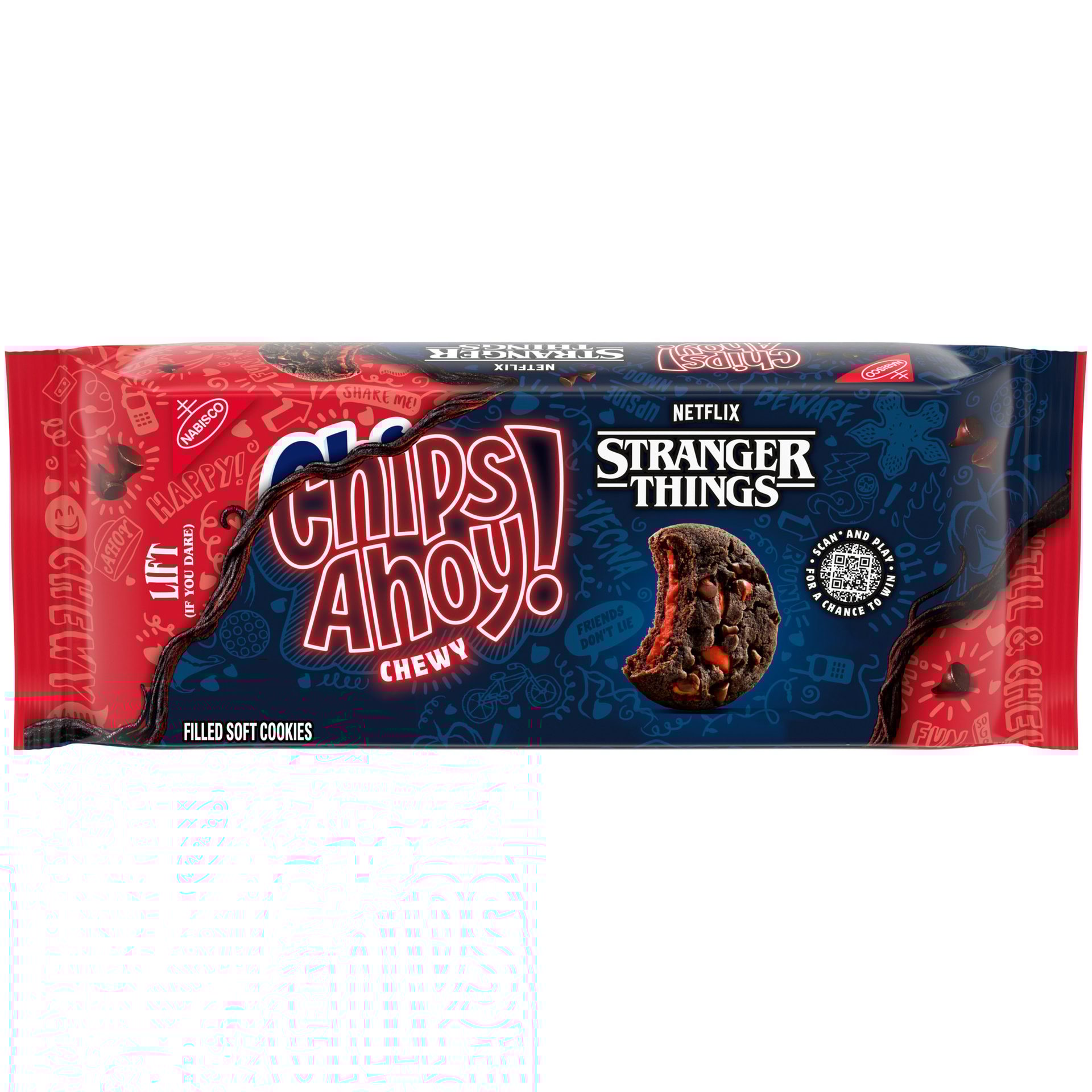
Courtesy of Mondelēz International
“Another key obstacle is the pressure to move quickly, adapting to new trends without compromising on quality or consistency,” she says. “As brands grow or diversify, they need supply partners who are not only reliable but also responsive and collaborative. For snack and bakery producers alike, staying nimble while scaling production is critical. Whether it’s meeting demand for new textures, clean-label reformulations, or plant-based formats, success depends on strong partnerships and the ability to innovate without disruption.”
Items with chocolate and cocoa
Mondelēz International is partnering with Netflix hit Stranger Things on a Chips Ahoy LTO. Available via online presale before launching at retail August 11, the cookies feature a rich chocolate base and fudge chips, mirroring the darkness and texture of the supernatural show. The cookies also feature a gooey red strawberry-flavored filling, adding to the drama.
Hershey’s chocolate remains a popular sweet treat, but the company’s brand portfolio also contains BFY bar maker One. The company recently paired the two names under its umbrella with a Double Chocolate bar, featuring its signature cocoa and chips but with 18 g of protein and just 1 g of sugar per serving.
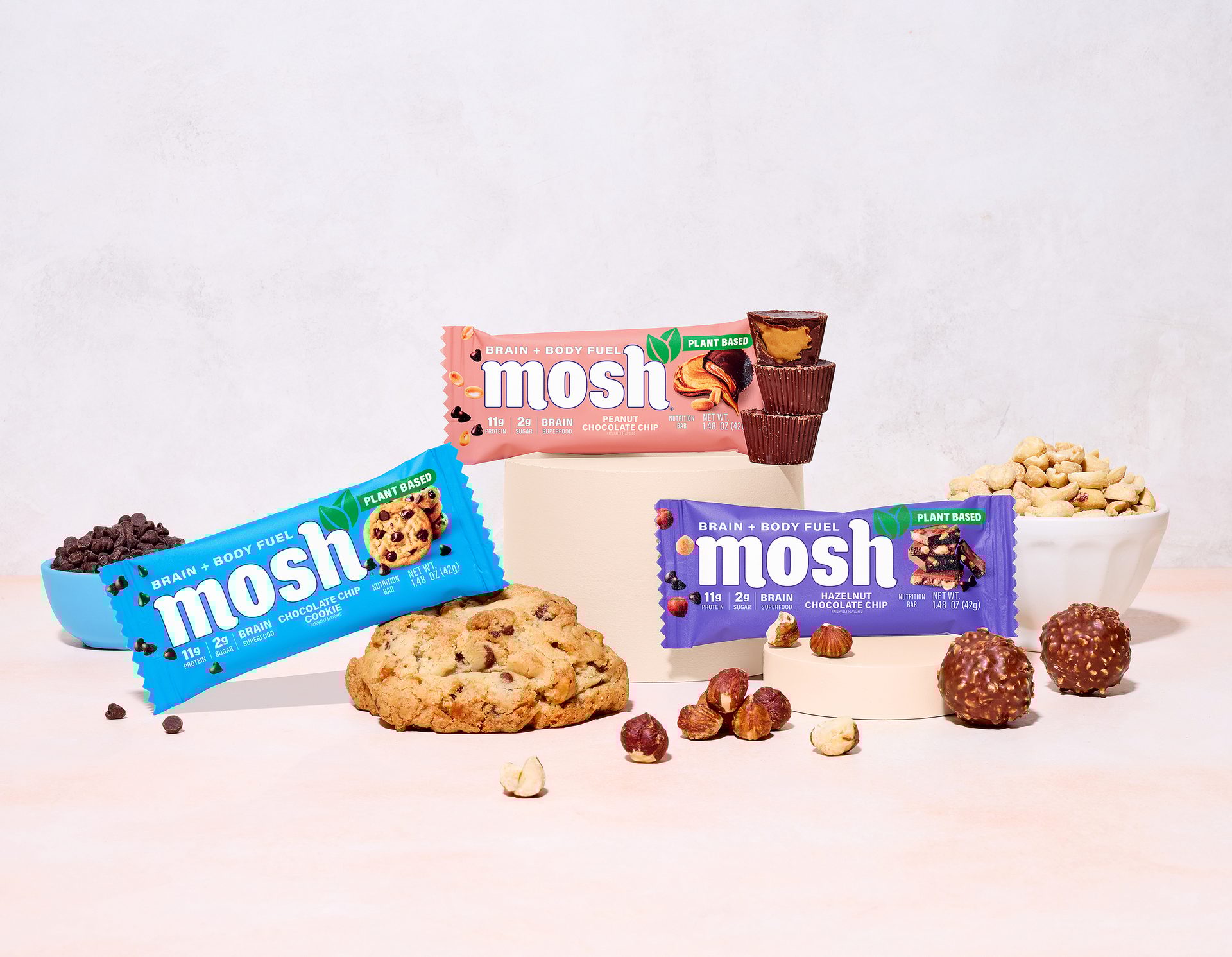
Another bar maker, Mosh, was already checking off several BFY boxes with its products—high protein content, low sugar levels, and ingredients purported to elevate brain health. Earlier this year, the company (owned by celeb mother-son duo Maria Shriver and Patrick Schwarzenegger) introduced a plant-based version of the bar, with flavors including several chocolatey temptations.
Chex Mix might be better known for its savory snack products, each featuring a blend of different items and textures. With their Muddy Buddies Cookies & Cream launch, the General Mills Convenience brand took a walk on the sweet side, featuring a blend of crispy corn cereal pieces and pieces of Oreo Sweet snack
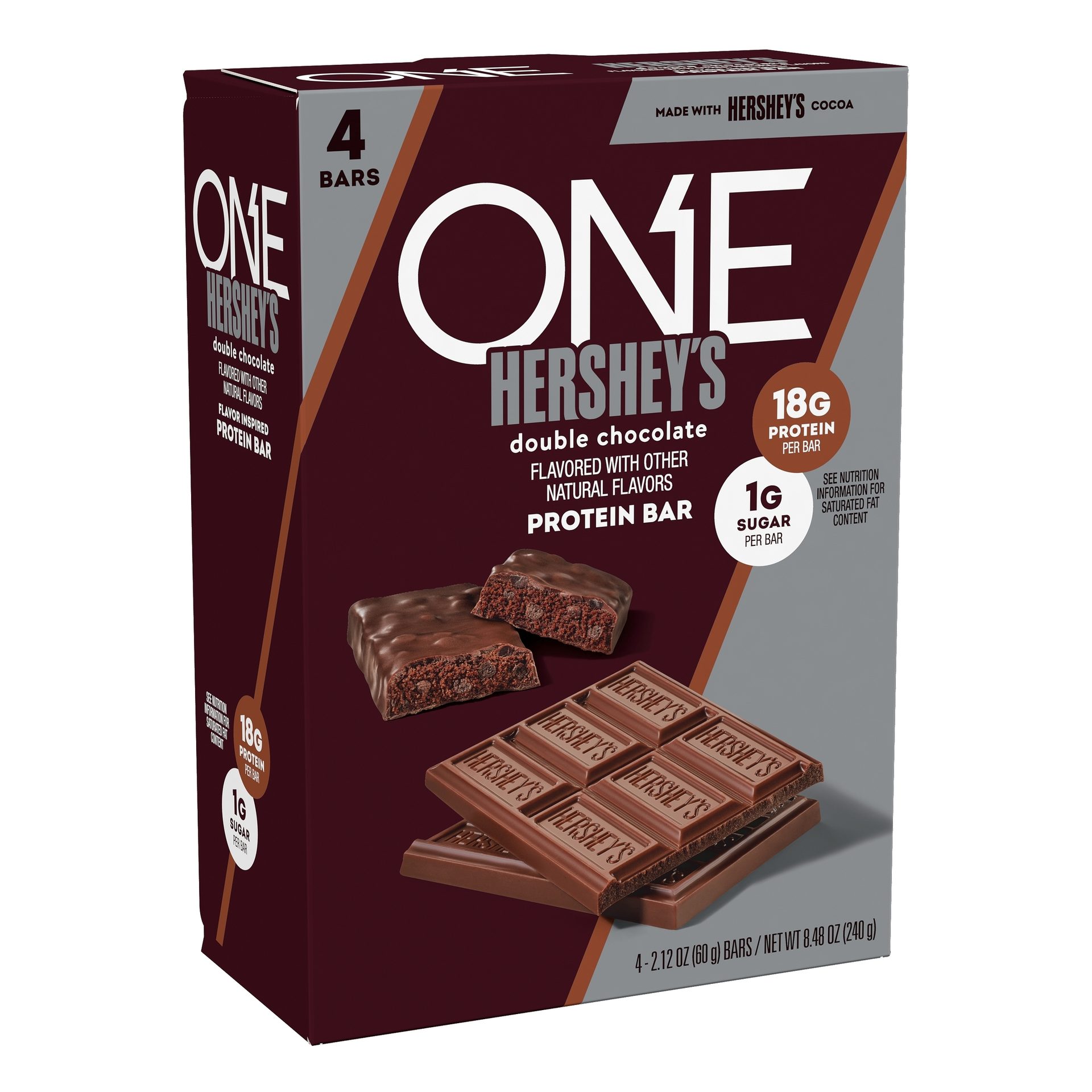
Courtesy of One
Courtesy of Mosh
Parting shots
Fish advises producers to keep in mind the mindful nature of up-and-coming chocolate fans.
“Today’s consumers—especially Gen Z and younger millennials—are looking well beyond taste. They want to know where ingredients come from, how they’re made, and whether the brands they buy from align with their values,” she notes. “Transparency, ethics, and sustainability aren’t just nice-to-haves; they’re decision drivers. For producers, this is an opportunity. Choosing chocolate that delivers on both flavor and purpose can deepen trust, build loyalty, and differentiate your brand in a crowded market.”
Arora offers a checklist of points to ponder when considering chocolate for new products and recipes:
- Look for inclusions and coatings that contain a higher cocoa percentage to increase intensity of flavor
- Pair chocolate with other ingredients that complement, such as coffee, dried fruits, and caramel
- Think of lower-sugar items that contain functional chocolate (probiotics, protein, adaptogens, and such)
- Consider ingredients that have ethical certifications (organic, fair-trade, etc.) to attract concerned consumers
- Select real chocolate over compounds or flavoring—and boast the bona fides on the label
“There will always be a place for real chocolate.”
— Katie Knapp, senior technical services specialist, Cargill

“Consumers are looking for healthier fats, such as those from coconut oil, olive oil, and avocado oil.”
— Jackie Steffey, senior customer innovation manager, AAK